Headline & intro
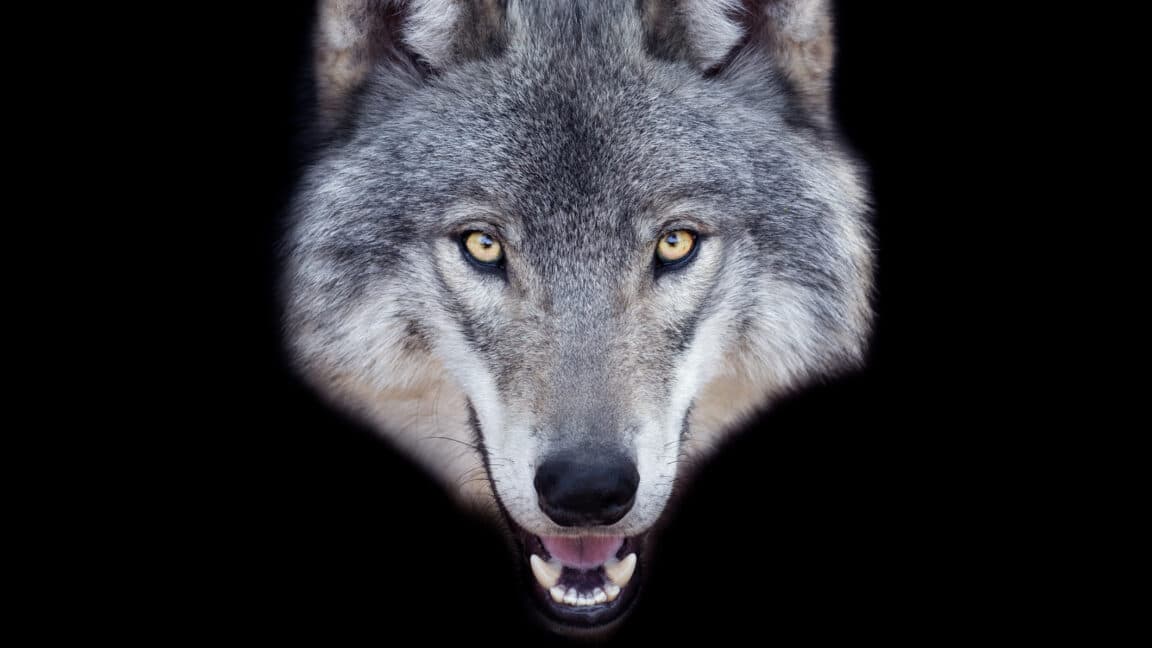
An AI-generated photo of a runaway zoo wolf has landed a South Korean man in serious legal trouble, with prosecutors weighing a prison sentence of up to five years. On the surface, it’s an almost absurd story: a meme-friendly wolf, fan art, a memecoin – and one fake image that authorities say derailed a critical search. Underneath, though, this case is an early test of how societies will criminalize harmful AI-generated content.
This piece looks at what actually happened, why the stakes are higher than they appear, how it fits into the global deepfake debate – and what lessons Europe should draw before facing its own “AI wolf” moment.
The news in brief
According to Ars Technica, citing reporting from the BBC and The Guardian, a 40‑year‑old man in South Korea was arrested after creating an AI-generated image that appeared to show a runaway zoo wolf, Neukgu, standing at a road intersection in Daejeon.
Neukgu, a two‑year‑old wolf and part of a breeding effort to re‑establish wolf populations in South Korea, escaped from a zoo by digging out of his enclosure. Authorities launched a large rescue operation using drones, police, emergency workers and veterinarians. Citizens’ videos of real sightings were actively used to guide the search.
The AI image spread online within hours of the escape. Officials treated it as genuine: the city sent an emergency alert to residents, police reportedly showed the image in a press briefing, and search resources were diverted. Police later traced the image to the suspect, who allegedly said he made it “for fun”. He now faces up to five years in prison or a fine of around $6,700 if courts conclude the image obstructed the investigation.
Meanwhile, Neukgu was captured safely after nine days and returned to the zoo. Online, the wolf has become a meme figure, with a fan map of sightings and even a themed cryptocurrency.
Why this matters
This is not really a story about a wolf. It’s about the moment when generative AI stops being a toy and collides with criminal law.
The man did not fake a celebrity face or a political speech; he faked evidence in an active public‑safety operation. That moves the case out of the abstract “AI ethics” debate and into the familiar territory of obstructing police work, filing false reports, and causing public alarm. In analog form, most legal systems already punish these behaviours. What’s new here is the speed, scale and plausibility enabled by AI tools available to anyone with a smartphone.
Who is most affected? Law enforcement, for one. Search and rescue teams increasingly rely on user‑generated photos and videos as sensors. If even a small share of this material is synthetic, teams will waste scarce time validating fakes – time that can cost lives, whether we’re talking about a missing child, a natural‑disaster victim or, in this case, a protected animal.
Everyday users also lose. The South Korean authorities had to push emergency alerts based on a fake image. That erodes trust in both government messaging and in citizen‑generated evidence. The more people learn that such images can be fabricated “for fun”, the more likely they are to ignore genuine alerts in the future.
At the same time, the case exposes how ill‑prepared legal frameworks are for this grey area. A maximum five‑year sentence sounds harsh compared with the apparent harm. Yet without strong deterrence, we risk normalizing “playful” deepfakes that interfere with everything from disaster response to elections. Legislators now have to walk a thin line: punish clearly harmful manipulation without criminalizing creativity, satire or innocent experimentation with AI.
The bigger picture
The AI wolf hoax sits squarely in a growing pattern: cheap, accessible AI tools being used to generate highly believable but false “evidence” in real‑world situations.
We have already seen political deepfakes in multiple countries, from fake speeches to altered audio clips that appear just days before key votes. During Russia’s invasion of Ukraine, a fabricated video of Ukraine’s president calling for surrender briefly circulated online before platforms removed it – a reminder that deepfakes can be weaponized in crises.
Compared to those examples, a wolf image sounds almost trivial. But the mechanism is the same: authorities relying on social media content under time pressure, audiences conditioned to trust images, and platforms optimized to reward virality over verification.
Historically, hoaxes are nothing new. People have faked UFO photos, Bigfoot sightings, even fake distress calls. The difference now is that AI erases the skill barrier. You no longer need Photoshop expertise or acting talent; a prompt and a few clicks are enough to create convincing “evidence.” That increases the volume of potential misinformation and dramatically lowers the age and technical background of potential perpetrators.
Tech platforms are attempting to respond. Major AI labs are adding watermarks or cryptographic provenance to outputs, and social networks are experimenting with labels for “synthetic or manipulated media.” But these measures are voluntary, fragmented and easy to circumvent by doing a simple screen recording or using an unlabelled open‑source model.
The Neukgu case underscores that societies will not rely on self‑regulation alone. As soon as AI fakery crosses into tangible harm, traditional criminal law steps in – often retrofitted, case by case. Over the next few years, expect more jurisdictions to introduce explicit offences around malicious deepfakes, in the same way they created specific laws for swatting or cyberstalking once those behaviours became widespread.
The European / regional angle
For Europe, this story is a useful warning shot. EU lawmakers have already built a dense regulatory net around digital platforms and AI – from GDPR to the Digital Services Act (DSA), the Digital Markets Act (DMA) and now the EU AI Act. Yet most of these frameworks focus on systemic risks and platform obligations, not on what happens when an individual uses AI to interfere with emergency operations.
The DSA will force large platforms to better detect and label manipulated media, especially in contexts like elections or public safety. The AI Act requires generative‑AI systems to signal that their output is synthetic and to log how content is produced. These rules help, but they are not a complete answer. A motivated user can still strip metadata or move content to smaller platforms and encrypted chats beyond the reach of automated moderation.
European criminal law is also fragmented. Some countries already punish spreading false information that disrupts emergency services or creates public panic, but few have updated codes explicitly for AI‑generated content. A case like Neukgu could easily repeat in Europe: imagine a deepfake of a chemical leak, a fabricated wildfire image, or a fake terror incident photo misdirecting responders.
For privacy‑conscious countries like Germany or Austria, there is a cultural reluctance to extend surveillance or grant police sweeping new powers to detect fakes. Yet if authorities are forced to doubt any citizen‑supplied photo, they may push for more verification, more data retention and more cross‑checking with telecoms and platforms – which has its own civil‑liberties cost.
European policymakers should therefore see the South Korean case as a prompt: clarify when AI‑generated hoaxes become criminal, standardize penalties across the bloc, and coordinate with platform rules so that enforcement does not depend on which app the fake happens to go viral on.
Looking ahead
Several trends are likely to emerge from cases like this.
First, we will see a wave of test prosecutions. Prosecutors will experiment with applying existing offences – obstruction of justice, false reporting, public nuisance – to AI content. Some cases will stick, others will be overturned on appeal, gradually drawing a legal boundary between protected expression and punishable interference.
Second, law enforcement agencies will develop new protocols for citizen‑supplied imagery. Instead of acting on the first viral video, they may require corroboration from multiple independent sources, cross‑check with telecom data, or demand raw image files with metadata. That will slow down some responses but reduce the risk of being misled.
Third, product design will shift. Expect camera apps, messaging platforms and AI tools to add provenance features by default, making it easier to see whether an image came from a camera sensor or from a generative model. The EU’s regulatory pressure will accelerate this, but global platforms may standardize features worldwide.
For ordinary users, the practical advice is simple but uncomfortable: treat every viral “evidence” clip with suspicion, especially during emergencies. If a single, dramatic image is driving the narrative, ask whether you can find independent confirmation from official sources or trusted media.
Unanswered questions remain. How do we distinguish malicious intent from stupidity or dark humour when setting penalties? Should platforms be held partly liable when their recommendation systems turbocharge harmful fakes? And how do we prevent over‑criminalization that might chill legitimate parody and artistic experimentation with AI?
What is clear is that the era of consequence‑free “AI pranks” is ending.
The bottom line
The South Korean AI wolf hoax may look like an odd internet story, but it previews a very real future in which synthetic media can derail urgent public‑safety efforts. Harsh penalties alone will not solve the problem, but they signal that authorities are prepared to treat harmful AI fakery as more than a joke. Europe should use this moment to tighten its own legal definitions and technical safeguards – before our next viral meme becomes a test case in criminal court.


