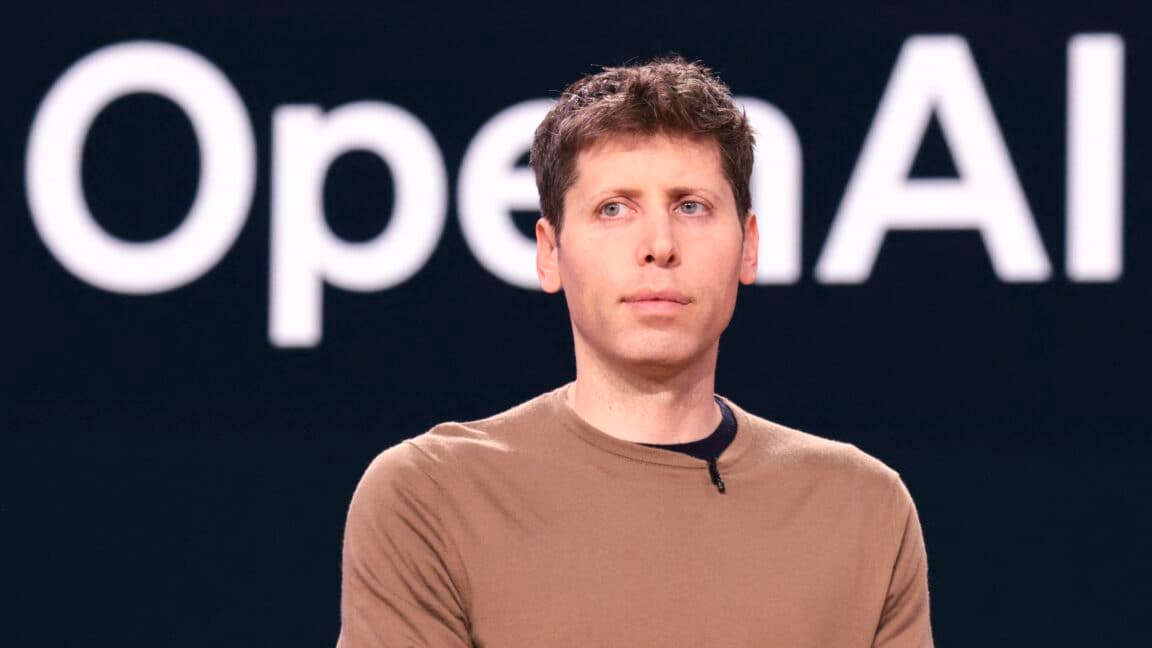
OpenAI buys itself a microphone
OpenAI is no longer just building models – it’s buying the stage they’re discussed on. The acquisition of TBPN, a small but highly influential tech talk show, looks trivial next to multi‑billion‑dollar GPU deals. Yet this move says more about where the AI race is heading than another benchmark chart ever could. When the most powerful AI lab in the world decides to own one of Silicon Valley’s loudest conversation hubs, it’s not a quirky side project; it’s a bid to shape how AI itself is framed. In this piece, we’ll unpack what the deal really signals, who should be worried, and why Europeans should pay attention even if they’ve never heard of TBPN.
The news in brief
According to Ars Technica, citing reporting from the Financial Times, OpenAI has agreed to acquire TBPN (Technology Business Programming Network), a tech‑focused talk show that has become a cult favorite among founders and investors since its launch in late 2024.
The 11‑person company is being bought for a price reportedly in the low hundreds of millions of dollars. TBPN publishes a near‑daily video show, averaging about 70,000 viewers per episode, and was on track to generate around $30 million in revenue this year, mainly from advertising.
The show, hosted by Jordi Hays and John Coogan, has featured major industry figures, including OpenAI CEO Sam Altman. OpenAI says TBPN will remain based in Los Angeles and keep editorial independence. The team will report to OpenAI’s head of global affairs, Chris Lehane, and also support OpenAI’s marketing and communications. The deal comes just weeks after an internal memo at OpenAI urged employees to avoid "side quests" and focus on core products like ChatGPT and enterprise tools.
Why this matters
On the surface, OpenAI is buying a profitable niche media property with a highly targeted audience. That alone is interesting: a company famous for bleeding cash on massive training runs is paying big money for a team of 11 media operators. But the real story is about narrative power.
TBPN doesn’t reach tens of millions of mainstream viewers. It reaches the people who build, fund, and regulate the technology ecosystem: founders, VCs, senior engineers, policy wonks. In other words, exactly the audience OpenAI needs to keep on its side as the regulatory and competitive pressure ramps up.
The winners are clear:
- OpenAI gets a trusted channel into the tech elite, wrapped in the language of "independent conversation" rather than PR.
- TBPN gains financial security, a global platform, and proximity to the most headline‑generating company in AI.
The losers are more subtle:
- Competing AI labs like Google DeepMind and Anthropic just lost some neutral ground. Any appearance on TBPN now inherently happens on a rival’s turf, no matter how loudly "editorial independence" is proclaimed.
- Viewers may eventually face a trust problem: is this still a critical show, or a house organ with better branding?
The deal also exposes an internal tension at OpenAI. Only weeks ago, senior leadership warned staff against distractions. Now the company is spending hundreds of millions on a media outlet that, at minimum, sits far from its stated core mission of safely deploying AGI. You can argue, as some insiders already do, that this doesn’t consume researcher time, so it’s not a "side quest." But strategically, this is very clearly about influence, not intelligence.
The bigger picture
This move slots into a much older pattern: when technology companies become systemically important, they start buying or building media.
Think of Jeff Bezos personally acquiring The Washington Post, or Salesforce pouring money into Dreamforce as a quasi‑media event, or Apple turning music and TV content into a distribution edge for its hardware. In each case, tech power translated into a desire to shape the surrounding discourse, not just the underlying products.
AI heightens the stakes. Generative models don’t simply power products; they increasingly mediate how information is produced and consumed. Public perception, political narratives, and regulatory framing can change the trajectory of an AI lab as much as a new architecture can. Owning a talk show that sets the tone of the "builder conversation" around AI is therefore a logical, if worrying, extension of the arms race.
There’s also a feedback loop to consider. Media outlets today are simultaneously:
- Sources of training data for AI models
- Subjects of AI coverage and criticism
- Channels for AI companies’ messaging
OpenAI now dips into the third role directly. It doesn’t have to threaten TBPN’s independence explicitly; simple proximity and shared incentives can do the work over time. How aggressively will TBPN scrutinize OpenAI’s safety culture, labor practices, or content deals when its payroll ultimately depends on OpenAI’s success?
Compared with rivals, OpenAI is moving faster into overt narrative infrastructure. Google has YouTube but cannot credibly claim independence there. Anthropic has cultivated academic and policy think‑tank relationships but hasn’t bought media assets. OpenAI is effectively saying: if we can’t fully control the platforms, we’ll own at least some of the shows.
The European and regional angle
Most Europeans have never watched TBPN, and its core audience is firmly Silicon Valley‑centric. Yet the implications travel far beyond California.
First, TBPN’s content is global by default. Episodes circulate on YouTube, X, TikTok, and podcast apps used by European founders, policymakers, and students. When a US AI lab controls one of the English‑language channels that heavily shapes "how to think about AI," European discourse is indirectly influenced.
Second, the deal nudges directly against ongoing EU efforts to protect media pluralism and transparency. The Digital Services Act (DSA) and the upcoming European Media Freedom Act both push for clearer disclosure of ownership and potential conflicts of interest. A talk show owned by a major AI vendor but presented as a neutral industry forum is exactly the kind of grey zone Brussels worries about.
Third, there is a competitive angle. Europe already trails the US and China in foundation model development. Its comparative advantage could lie in trusted, independent institutions – universities, public broadcasters, and specialist media that interrogate AI power rather than orbit it. If US AI giants systematically buy up influential English‑language tech media, European outlets will have to differentiate more strongly on independence and critical depth.
For European startups, including those in hubs like Berlin, Paris, or Ljubljana, this is a reminder: the global conversation about AI is increasingly happening on channels owned by the largest players. If you care about alternative narratives – around open‑source models, decentralized infrastructure, or strict safety baselines – you’ll need your own platforms, not just guest spots on someone else’s show.
Looking ahead
Two big questions will determine how consequential this acquisition becomes.
1. Does TBPN actually stay independent?
In the next 6–12 months, watch three signals:
- How often does TBPN host OpenAI critics – especially on safety, competition, and labor issues – and how hard are they pressed?
- Does coverage of rival labs feel narrower or less frequent over time?
- Is OpenAI regularly given the "final word" on contentious topics?
Even subtle shifts will be telling. Independence rarely disappears overnight; it erodes via booking choices, framing, and editorial self‑censorship.
2. How tightly is TBPN integrated into OpenAI’s product and policy machine?
Obvious next steps would include:
- Using TBPN content as premium educational material surfaced inside ChatGPT
- Turning the show into a default stage for announcing OpenAI products and partnerships
- Aligning TBPN’s editorial calendar with OpenAI’s lobbying priorities (for example, focusing on "responsible innovation" narratives during EU AI Act enforcement phases)
None of this would be illegal, but it would blur the line between journalism, branded content, and corporate lobbying.
There’s also room for backlash. If TBPN’s audience senses it has become an extended press office, the show’s cultural capital will evaporate quickly. That would turn OpenAI’s nine‑figure bet into an expensive lesson in why influence can’t simply be bought.
For regulators, this deal should be a prompt to consider disclosure norms: when AI vendors own media outlets, should interviews, recommendations, or clips be labeled more clearly as coming from an owned property – especially when surfaced inside AI assistants?
The bottom line
OpenAI’s purchase of TBPN is not a harmless side adventure; it’s a deliberate move to own a chunk of the AI conversation itself. In a world where models increasingly mediate our information diets, controlling the upstream narratives around those models is a potent form of power. The onus now falls on viewers, policymakers, and rival media to keep asking the uncomfortable question: when you consume AI coverage, do you know who owns the microphone?