Apple’s 26.4 betas are quietly redrawing the lines of its ecosystem
Point releases from Apple used to be boring bug-fix dumps. The 26.4 betas for iOS, iPadOS and macOS are anything but. Beneath a few headline features like AI‑generated playlists sits a much more consequential story: Apple is tightening security, cautiously opening a door to richer cross‑platform messaging, and preparing to bury one of the last traces of the Intel Mac era.
In this piece we’ll skip the marketing gloss and unpack what these changes really signal—for users, developers, regulators, and anyone trying to live in a mixed Apple/Android or Intel/Apple‑Silicon world.
The news in brief
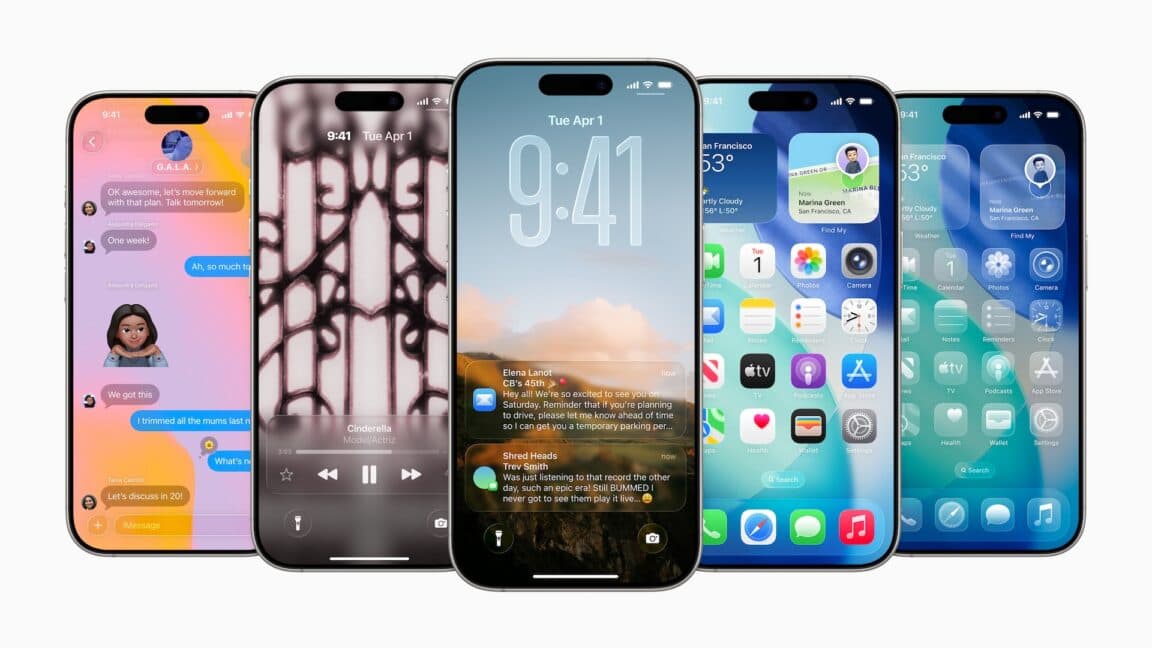
According to Ars Technica’s coverage of the new betas by Andrew Cunningham, Apple has released the first developer and public test versions of iOS 26.4, iPadOS 26.4, macOS 26.4 and related updates.
On the surface you see consumer‑friendly additions: Apple Music’s new “Playlist Playground” that builds playlists from text prompts, native support for video podcasts in the Podcasts app, and a more powerful Creator Studio mode in Freeform that taps Apple’s stock image library and can generate images with AI.
The more interesting story sits lower down:
- MacBooks gain a manual battery charge‑limit slider.
- Apple starts testing end‑to‑end encryption for RCS messages—but only between Apple devices.
- The “Compact” Safari tab bar layout reappears on Mac and iPad.
- iPhone Stolen Device Protection flips from optional to enabled by default.
- macOS begins warning that Rosetta 2 translation will be removed in a future version.
Notably absent is Apple’s much‑trailed “more intelligent Siri”, which Ars notes has slipped again and is now expected no earlier than version 26.5 or even iOS 27.
Why this matters
Strip away the beta‑tester novelty and a clear theme emerges: Apple is rebalancing control—sometimes giving more to users, sometimes keeping more for itself.
Winners:
- Security‑conscious users gain a lot. Default‑on Stolen Device Protection makes it considerably harder for thieves who have seen your passcode to take over your digital life. Combined with the longer delay for disabling Find My or changing critical security settings, a stolen iPhone becomes much less valuable.
- Heavy laptop users benefit from the new MacBook charge‑limit slider. Being able to hard‑cap at, say, 80 or 85 percent is a big deal if your machine spends most of its life plugged in. Over three to five years this can be the difference between a still‑usable battery and a machine that has to live on the charger.
- People who like minimal UIs get their Compact Safari tabs back on Mac and iPad. It’s a small change, but it reflects Apple quietly acknowledging that its first instinct about Safari’s design wasn’t entirely wrong—just badly rolled out.
Losers:
- Anyone relying on old Intel‑only Mac software just got a very loud clock ticking. Rosetta 2 has been the invisible glue allowing those apps to keep running on Apple Silicon. Warnings in macOS 26.4 make it clear: the grace period is ending, and by macOS 28 that bridge will be gone for most apps.
- Mixed iOS/Android friend groups and families still don’t get what they really want: secure, feature‑rich messaging that “just works” across platforms. Apple is implementing RCS encryption—but, for now, it only works when both ends are Apple devices. Green bubbles are still second‑class citizens.
In other words, these betas are not just about features. They are about Apple shaping how long your hardware remains viable, how much effort it will take to leave the ecosystem, and how much friction there is when you talk to people outside it.
The bigger picture
These betas sit at the intersection of several long‑running trends.
1. Hardening the personal computing perimeter
Stolen Device Protection becoming default fits Apple’s arc from “security as an option” to “security as the baseline.” We’ve seen similar moves before: default‑on disk encryption, stricter app sandboxing, and more aggressive two‑factor nudging. Apple has access to hard data about device theft and account takeovers; if it’s comfortable forcing this protection on by default, it probably sees a very real risk.
The trade‑off is usability. People who travel a lot, work remotely, or frequently swap SIMs may run into more “you must use Face ID / Touch ID” moments in unfamiliar locations. Apple is betting that short‑term friction is acceptable if it stops high‑impact account hijacks—especially when regulators increasingly scrutinise how platforms protect less technical users.
2. The slow, political march to interoperable messaging
Apple’s gradual embrace of RCS is not happening in a vacuum. Between US antitrust lawsuits and the EU’s Digital Markets Act (DMA), closed messaging silos are under pressure. Supporting more of the RCS standard, including encryption, lets Apple argue it is playing ball—just on its own timeline.
But notice the fine print: in these betas, encrypted RCS works only between Apple devices and won’t even ship in the final 26.4 release yet. This looks like Apple doing the bare minimum to modernise its SMS fallback while carefully avoiding a truly equal experience between iPhone‑to‑Android and iMessage.
3. The endgame of the Intel–to–Apple‑Silicon transition
We’re now far enough into the M‑series era that most mainstream apps have native or universal builds. Rosetta 2 has done its job elegantly. Removing it—gradually, with warnings starting in 26.4—is classic Apple: give developers years of notice, then drop the hammer to simplify the platform and free up engineering resources.
We’ve seen this movie before with the PowerPC transition and the move from 32‑ to 64‑bit apps. Short‑term pain for some pro workflows; long‑term payoff in a cleaner, more consistent ecosystem.
4. Quiet, utilitarian AI instead of flashy assistants
While everyone talks about generative AI chatbots, Apple’s betas show a different emphasis: AI as a background tool (playlist generation, image generation in Freeform) rather than as a single all‑knowing assistant. The delayed “smarter Siri” underlines how hard it is to productise conversational AI at Apple’s quality and privacy bar. In the meantime, Apple seems happier shipping constrained, value‑add AI features it can fully control.
The European angle
For European users and policymakers, these betas touch on several hot topics.
Messaging and the DMA
The EU has been assessing whether iMessage should be declared a “core platform service” under the DMA, which could force some level of interoperability. Apple gradually enhancing RCS support—including encryption—gives it ammunition to argue that basic interoperability is being achieved voluntarily. But the fact that encrypted RCS in these betas still only works within Apple’s own devices will not impress regulators in Brussels.
For European carriers, stronger RCS on iPhone is a mixed blessing. It makes the default SMS/RCS channel more capable, but in many EU markets WhatsApp, Signal and Telegram already dominate cross‑platform messaging. Apple arriving late with a half‑open implementation won’t easily dislodge those habits.
Security baseline for a high‑theft region
Major European cities are no strangers to smartphone theft, especially among tourists. Default‑on Stolen Device Protection could materially reduce the incentive for organised theft rings, many of which rely on quickly changing Apple ID details and draining financial apps. That aligns neatly with EU priorities around consumer protection and financial fraud.
Sustainability and right‑to‑repair
The new MacBook charge limit slider speaks directly to the EU’s push for longer‑lived electronics. If users can more easily preserve battery health, fewer laptops will need early battery replacements or outright replacement, supporting both environmental goals and the bloc’s moves on durability labelling.
On the flip side, the sunset of Rosetta pressures European small businesses and public institutions that still rely on older Mac software—often niche tools from vendors that may be slow to update. Budget‑constrained organisations will have to choose between freezing macOS upgrades, funding migrations, or moving away from Mac altogether.
Looking ahead
What should you expect as these betas move toward release and beyond?
Short term (next 2–3 months): 26.4 should stabilise and ship with most of the non‑Siri, non‑RCS‑encryption features intact: battery limits, Safari changes, Stolen Device Protection default, Rosetta warnings. Expect some UI polishing and perhaps carrier‑by‑carrier toggles for RCS behaviour in Europe.
Medium term (2026): Apple needs to make a call on cross‑platform encrypted RCS. If US and EU regulatory pressure continues, a full implementation—iPhone to Android, end‑to‑end encrypted—starts to look like the path of least resistance. If that happens, green bubbles might still look different, but they will be much harder to criticise as insecure or technically obsolete.
Rosetta’s slow fade: Developers who have ignored Apple Silicon so far are running out of runway. Expect a wave of “last Intel‑only version” announcements, new subscription‑based Mac app releases replacing perpetual licences, and some abandonware. Enterprises and creative studios should already be inventorying every Intel‑only app and planning replacements well before macOS 28 lands.
Siri and Apple’s AI story: The longer the “more intelligent Siri” is delayed, the higher the expectations—and the bigger the risk of disappointment. Apple will want its eventual launch to feel qualitatively different from today’s assistants, not just “ChatGPT with a fruity logo”. If it under‑delivers, users may stick with specialised AI apps and ignore Siri’s new tricks.
Security side‑effects: Default Stolen Device Protection will generate some support calls (“why doesn’t my passcode work here anymore?”). How Apple designs the onboarding and explanations—especially in non‑English markets—will determine whether this is seen as a helpful safety net or another confusing security maze.
The bottom line
The 26.4 betas won’t dominate keynotes, but they matter more than many flashy features. Apple is using this cycle to harden device security, cautiously modernise its weakest interoperability point (green‑bubble messaging), and start pruning away the last crutches from the Intel era—all while sprinkling in low‑drama AI features.
The real question for users and regulators alike is simple: as Apple tightens its ecosystem, are we getting more safety and longevity—or just more lock‑in with a nicer battery slider?