Tech
50 articles found

Can Acoustic “Sprinklers” Really Replace Water? A Reality Check on Sonic Fire Tech
Acoustic fire suppression promises sprinkler‑free protection. We examine whether Sonic Fire Tech’s infrasound system can truly replace water in homes and data centers.

When Drones Hit the Cloud: What Amazon’s Middle East Outage Really Signals
Drone strikes on AWS data centers turned cloud resilience into a geopolitical issue. What Amazon’s Middle East outage means for cloud strategy and Europe.

Why You Can’t Buy a Mac Studio: Apple’s AI Moment Arrived Early
Apple’s Mac mini and Mac Studio shortages reveal how fast local AI is going mainstream, and why chip and RAM constraints now shape the future of on‑device AI.

Motorola’s 2026 Razr gamble: premium prices, partial progress
Deep analysis of Motorola’s 2026 Razr foldables: higher prices, bigger batteries, aggressive AI, and what it all means for European buyers.

Nvidia’s 12GB mobile RTX 5070 exposes how broken “midrange” GPUs have become
Nvidia’s 12GB mobile RTX 5070 finally fixes the 8GB VRAM bottleneck—at a huge premium. We examine what this says about GPU pricing, AI memory pressure, and the future of the midrange, with a European focus.

Beijing Grounds Its Own Drones While the World Keeps Buying Them
Beijing’s sweeping drone sales ban is a test case for full lifecycle control of tech—and a warning shot for a world hooked on Chinese drones.

The New Airspace Politics: How One Drone Pilot Beat a Moving No‑Fly Zone
Analysis of how a US drone pilot forced the FAA to rescind moving no-fly zones around ICE vehicles, and what this means for airspace, journalism and Europe.

Why Microsoft’s Oldest DOS Source Drop Is Really About the Future
Microsoft has released the earliest known DOS source code. Our analysis explains why this act of software archaeology matters for developers, historians and Europe.

What Roku’s $3 Howdy Service Really Proves About the Streaming Wars
Roku’s $3 Howdy service quietly hit 1M subscribers. Here’s what this bare‑bones, ad‑free offer reveals about the next phase of the streaming wars.

Meta’s Smart Glasses Scandal Isn’t Just About Privacy—It’s About Who Pays the Price for AI
Meta’s split with Kenyan annotator Sama over Ray‑Ban Meta footage exposes deep problems in AI data practices, smart‑glasses privacy and outsourced labor.
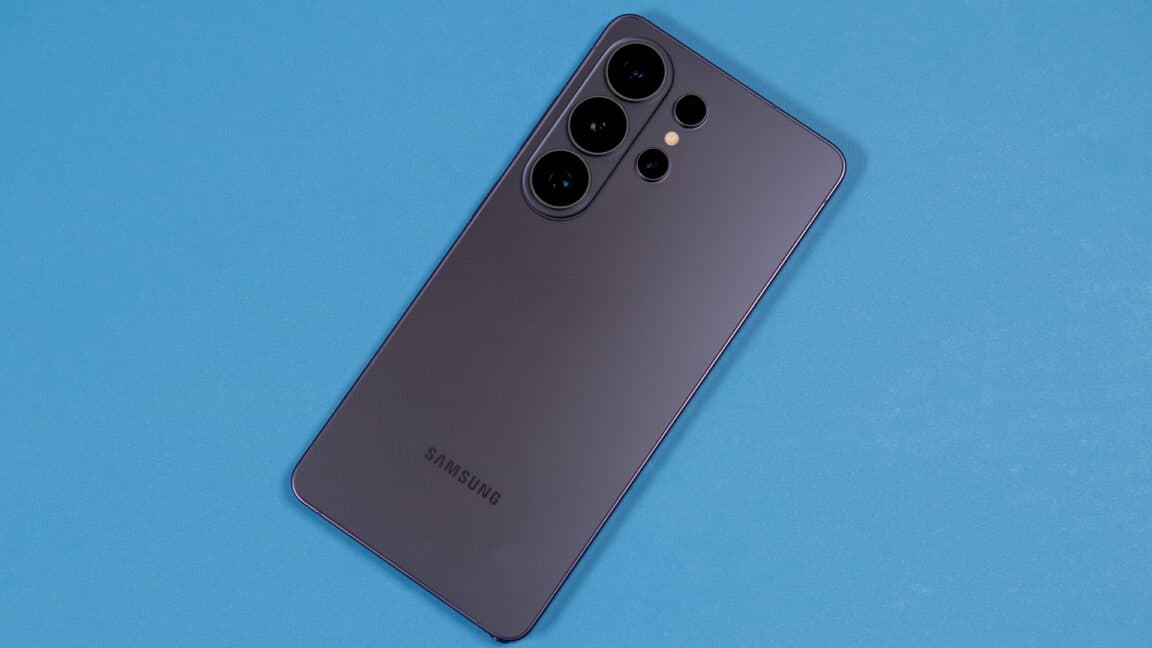
Samsung’s AI Memory Boom Has a Surprising Victim: Its Own Phones
Samsung may lose money on phones in 2026 as AI-driven memory prices soar. What this means for smartphone prices, competition and European users.
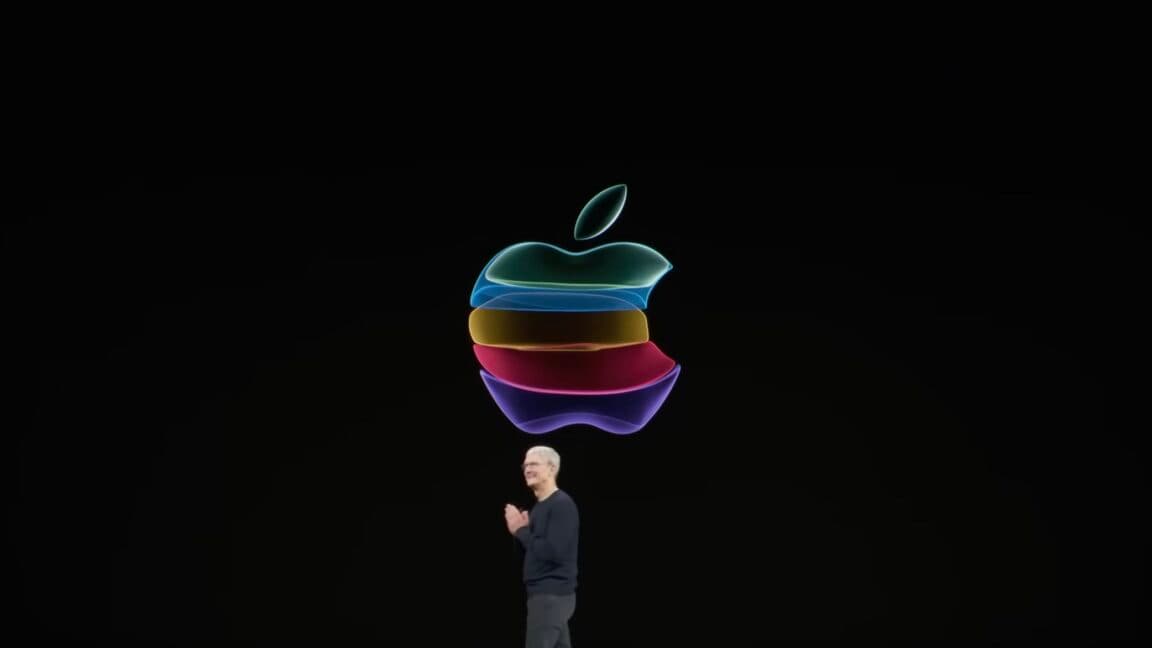
Tim Cook’s Apple: An Era of Relentless Iteration, Not Holy Grails
Tim Cook leaves Apple as the master of iteration and services, not breakthrough gadgets. What his legacy really is—and what John Ternus inherits next.

Why Apple’s Smallest Macs Suddenly Got Hard to Buy
Analysis of why Apple’s Mac mini and Mac Studio are so hard to buy, from AI-driven memory pressure to Apple’s desktop strategy and EU implications.

Framework’s Linux “MacBook Pro” bet meets the RAM crisis: niche no more
Framework is betting on a "MacBook Pro for Linux users" just as RAM prices spike. Here’s why that matters for Windows, Apple, and Europe’s right-to-repair push.
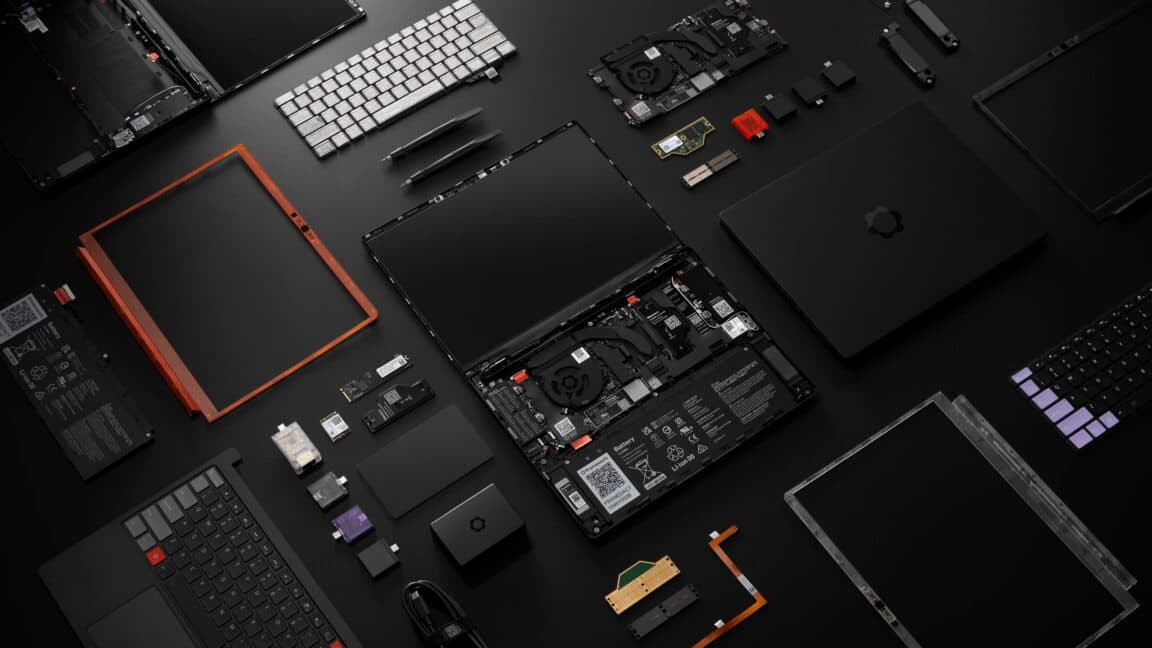
Framework 13 Pro: When Modular Ideals Meet Battery Reality
Framework’s Laptop 13 Pro tests how far a modular, repairable laptop can evolve without betraying its ideals, from LPCAMM2 memory to a bigger battery.
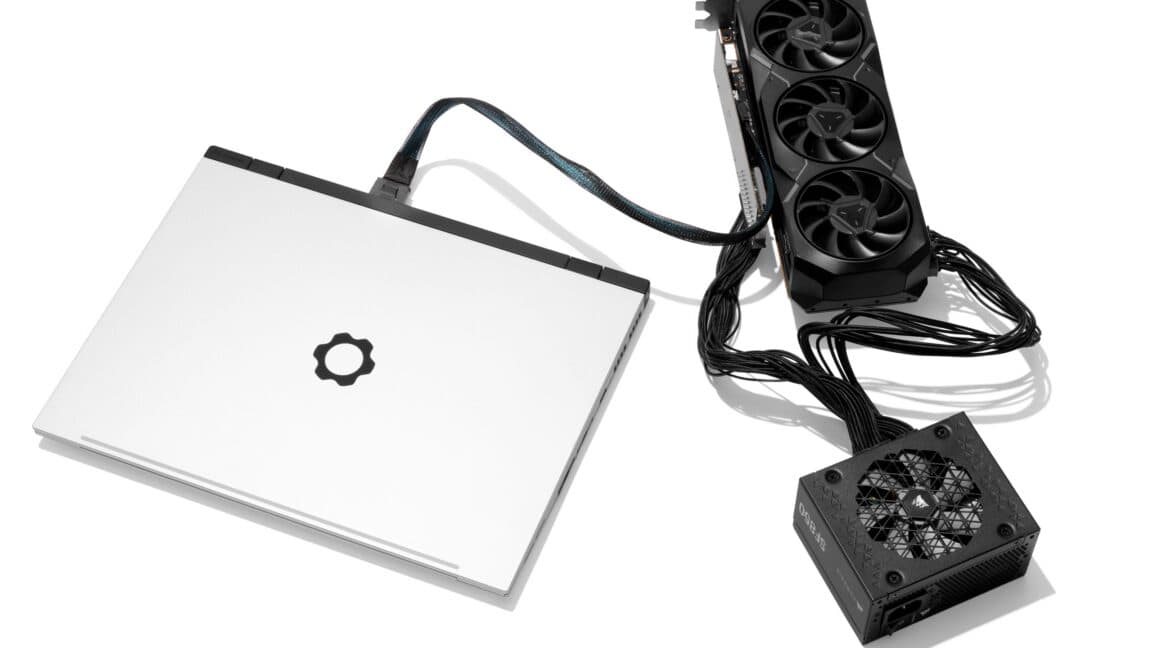
Framework Laptop 16 finally looks finished – and quietly bets on OCuLink
Framework’s refined Laptop 16 and new OCuLink dev kit signal a shift from modular prototype to serious platform – with big implications for eGPUs and EU users.
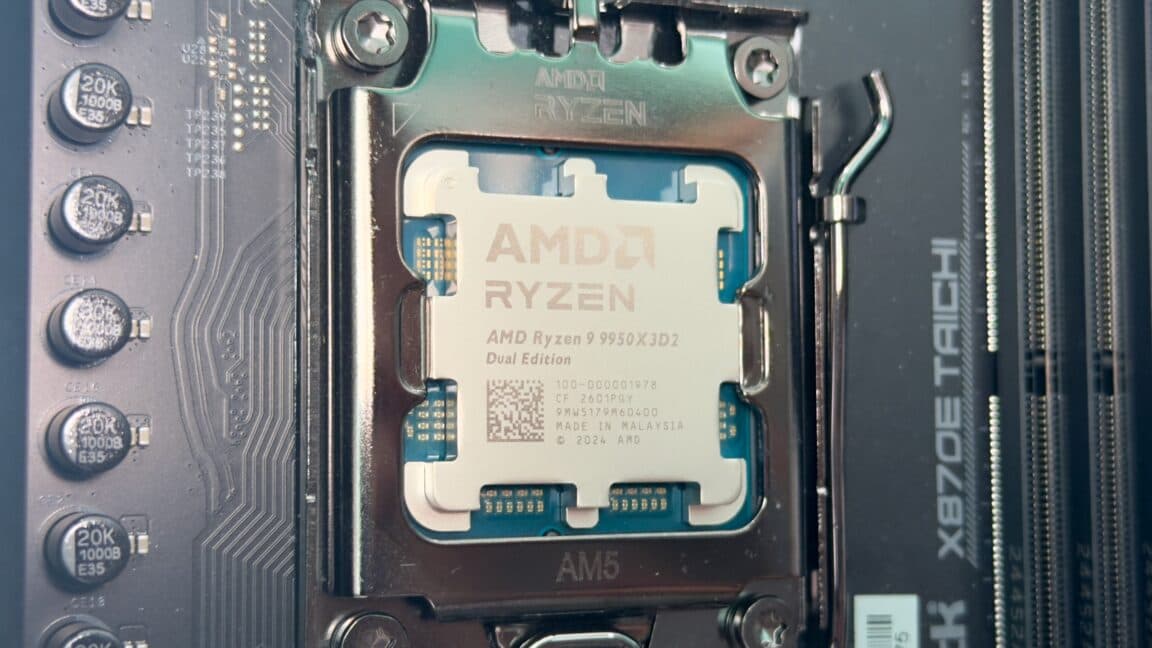
AMD’s $899 Ryzen 9 9950X3D2 Shows How Weird High-End CPUs Have Become
AMD’s Ryzen 9 9950X3D2 is an $899 cache monster with niche benefits. We analyse who should pay the “cache tax” — and why most European buyers shouldn’t.

HEVC’s Licensing Maze Is Breaking 4K on PCs – And Europe Feels It First
HEVC patent wars are breaking 4K video support on PCs, pushing vendors toward AV1 and forcing Europe to confront its SEP regime.

Amazon’s new Fire TV lockdown is really about power, not piracy
Amazon’s move to Vega OS and the end of sideloading on new Fire TV Sticks is less about piracy and more about locking down the living room.
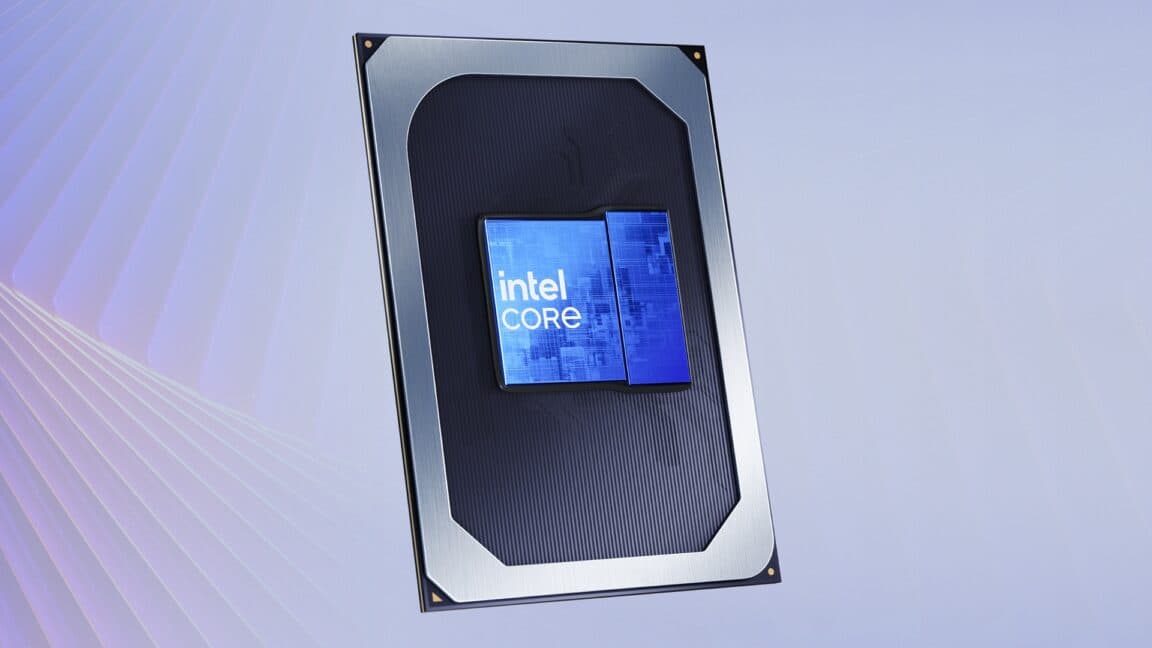
Intel’s Wildcat Lake chips fix the wrong problem for mainstream laptops
Intel’s Wildcat Lake Core Series 3 brings 18A efficiency to mainstream laptops but misses Microsoft’s Copilot+ AI threshold, splitting the Windows market.

China’s Deep-Sea Cable Cutter Is a Warning Shot at the Internet’s Weakest Point
China’s deep-sea cable cutter turns the Internet’s physical backbone into a geopolitical pressure point. Here’s why Europe should worry now.

Google’s New Desktop Apps Show Where the Real AI Battle Will Be Fought
Google’s new Windows search app and Gemini Mac client show that the real AI battle is moving from the browser into the operating system itself.
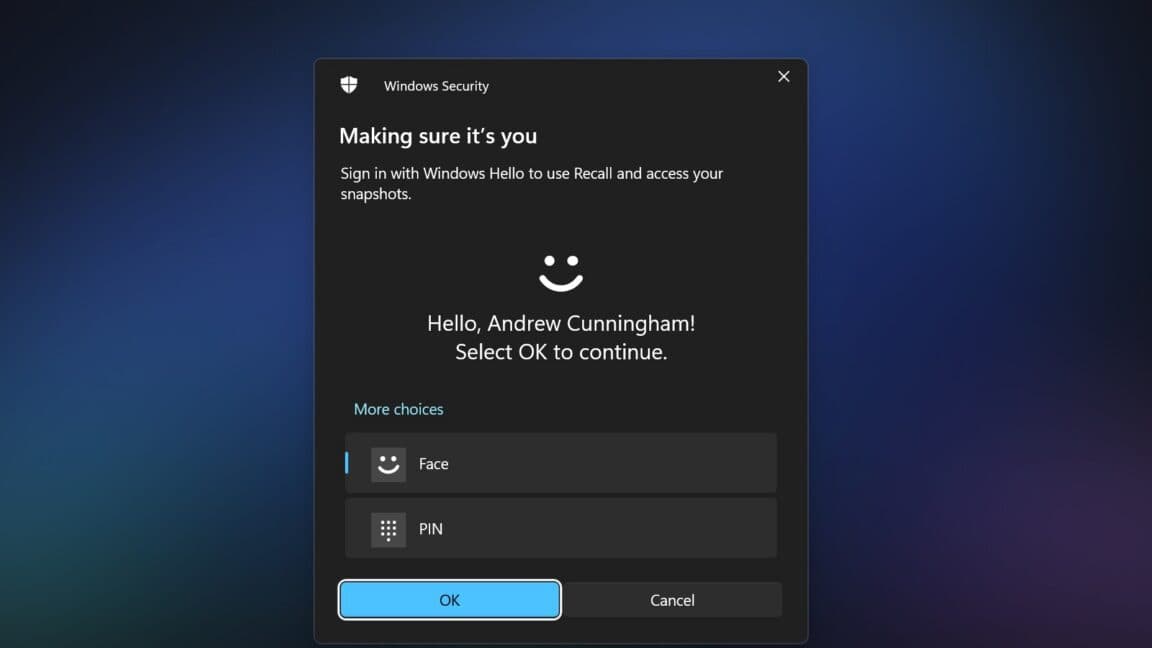
Windows Recall’s “Not-a-Bug” Flaw Is a Warning About AI PCs
TotalRecall Reloaded doesn’t break Windows Recall’s vault – it exposes why AI PCs that log everything are a structural privacy and security risk.

Prime Video’s NBA blackout shows the dark side of exclusive sports streaming
Amazon Prime Video’s NBA overtime blackout exposes the fragility of exclusive sports streaming deals and raises questions about trust, regulation, and the future of live sports online.

Sony’s Bravia downgrade is a warning shot for every smart TV owner
Sony is stripping guide features from recent Bravia TVs. Why this quiet downgrade matters for antenna users, smart TV economics and EU consumer rights.
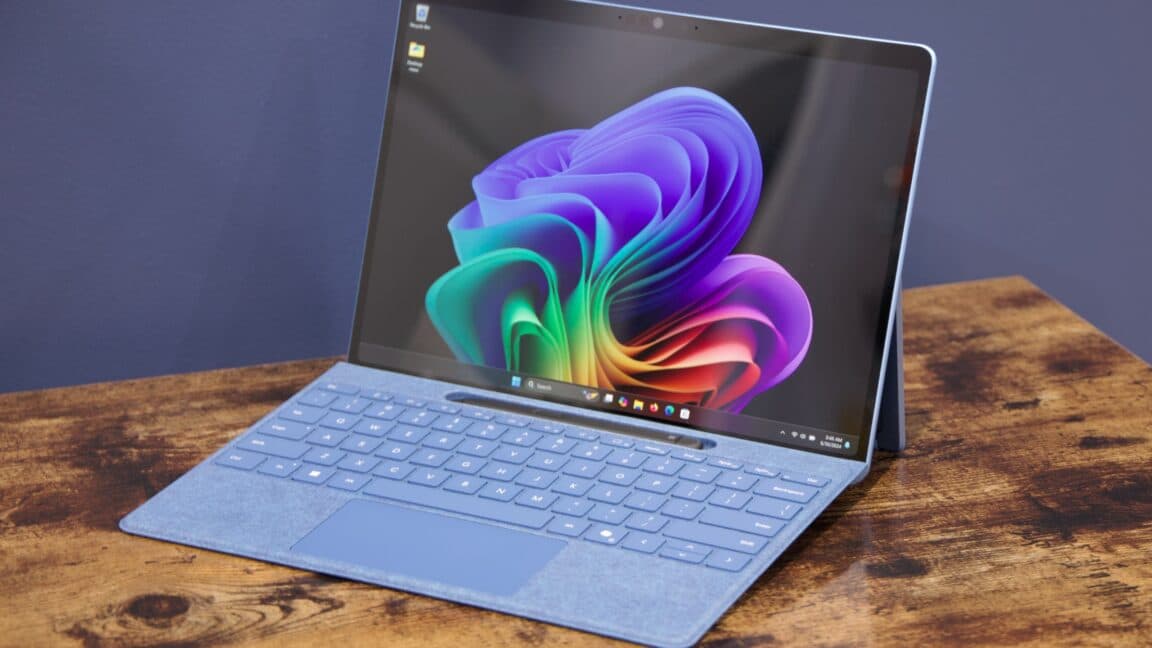
Microsoft’s Surface Price Hikes Signal a Quiet Retreat from the Mainstream PC
Microsoft’s steep Surface price hikes show a shift toward premium PCs, weaken Windows on Arm’s appeal, and have big implications for European buyers.

Google Declares War on Back‑Button Hijacking – And Quietly Redefines Who Controls the Web
Google will penalise sites that hijack the browser Back button from June 15, 2026. Here’s why this UX crackdown matters—and what it says about Google’s power.
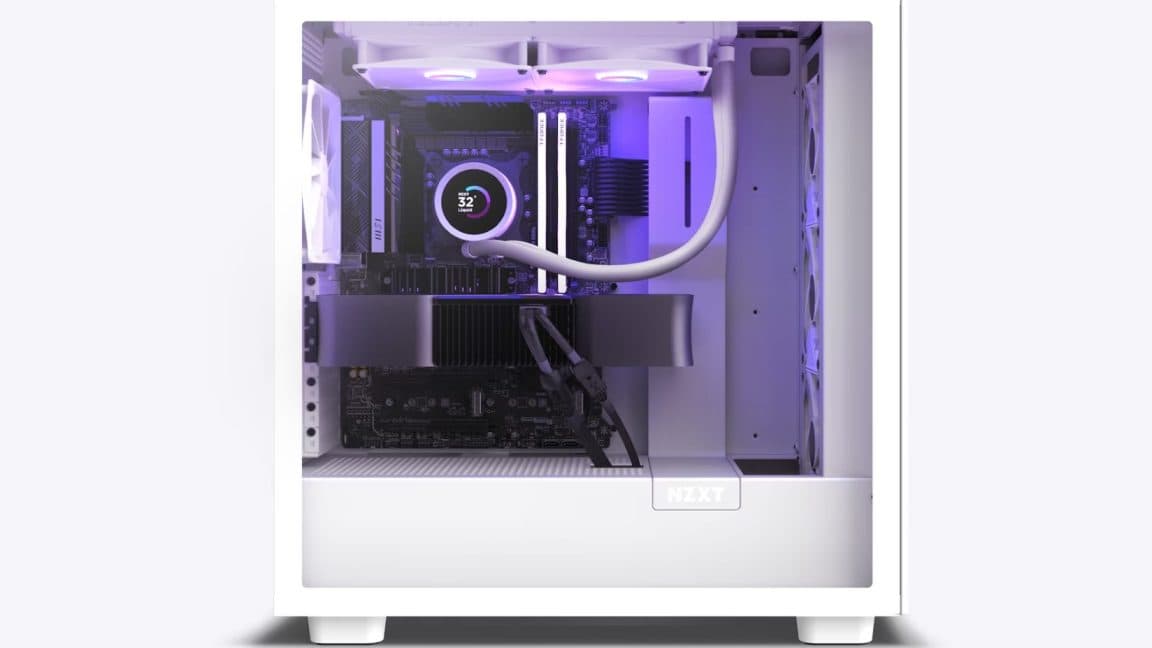
NZXT’s Costly Lesson: Why PC Subscriptions Keep Backfiring
NZXT’s $3.45M Flex rental PC settlement exposes the risks of subscription hardware, fuzzy ownership terms, and influencer marketing for gamers.
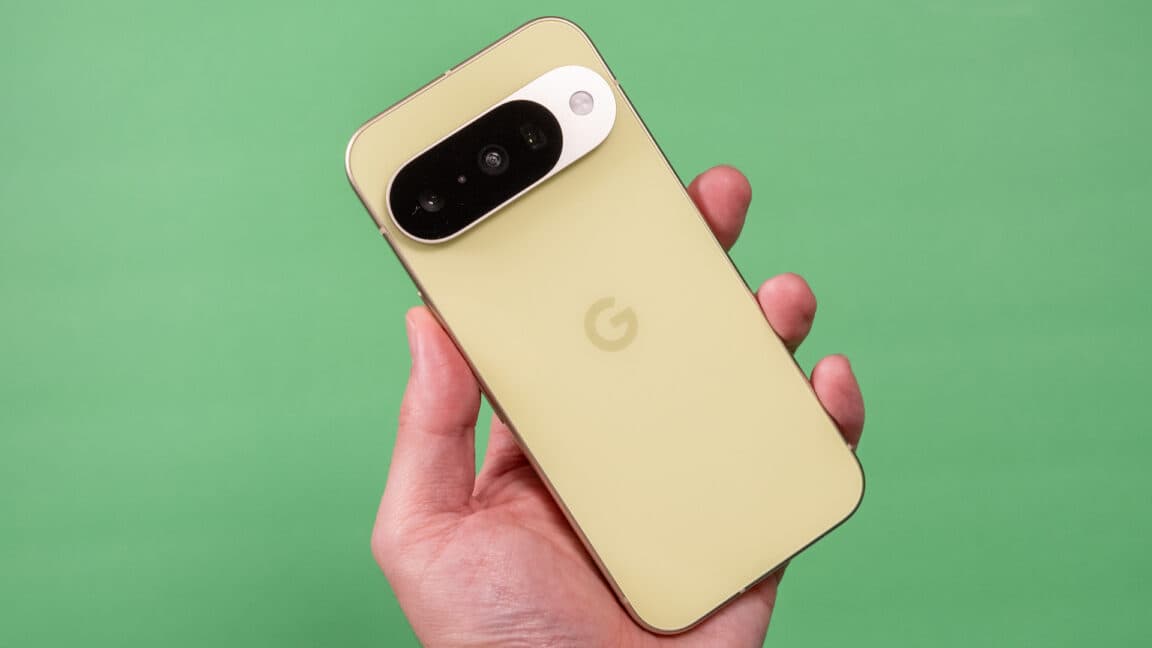
Google’s Rusty Modem Experiment Could Force a Rethink of Phone Security
Google’s Pixel 10 adds a Rust-based DNS parser inside the modem, a small change with big implications for baseband security, vendors, and EU regulation.

Windows Insider gets serious: why Microsoft’s new test channels matter for everyone
Microsoft is overhauling Windows Insider channels, killing hidden rollouts in Beta and adding feature flags. Here’s why it matters for Windows quality.

YouTube’s Latest Price Hike Confirms It: “Free” Video Is Finished
YouTube’s latest Premium price hike and the 90‑second ad “bug” show that free, ad-light video is ending. Here’s what it means for users, creators and Europe.

AI’s Hidden Price Tag: Motorola Just Redefined “Budget” Phones
Motorola’s steep Moto G price hikes show how AI-fuelled memory costs are reshaping budget phones, with big consequences for European users.
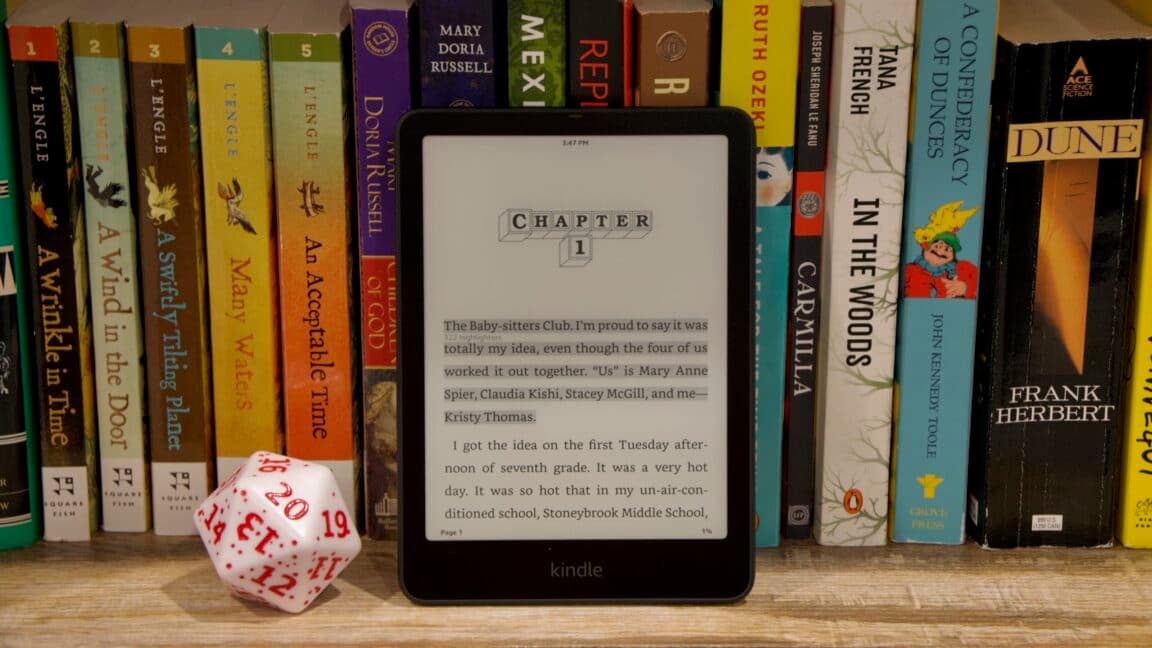
Amazon’s Kindle Cutoff Is a Warning Shot for Every “Smart” Device You Own
Amazon is cutting pre‑2013 Kindles off from the Kindle Store. Why this matters for digital ownership, e‑waste, EU rules, and every smart device you own.
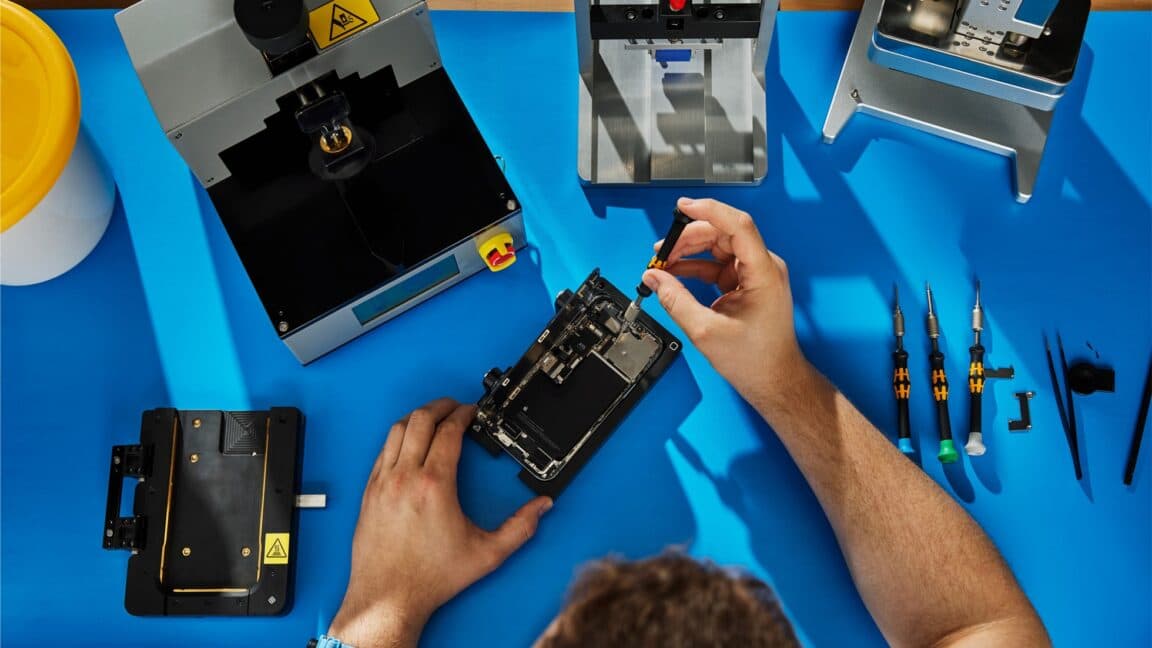
Apple and Lenovo flunk repairability tests – and Europe is running out of patience
New data shows Apple and Lenovo at the bottom of laptop repairability rankings. Here’s why that matters for right to repair and the future of EU tech.
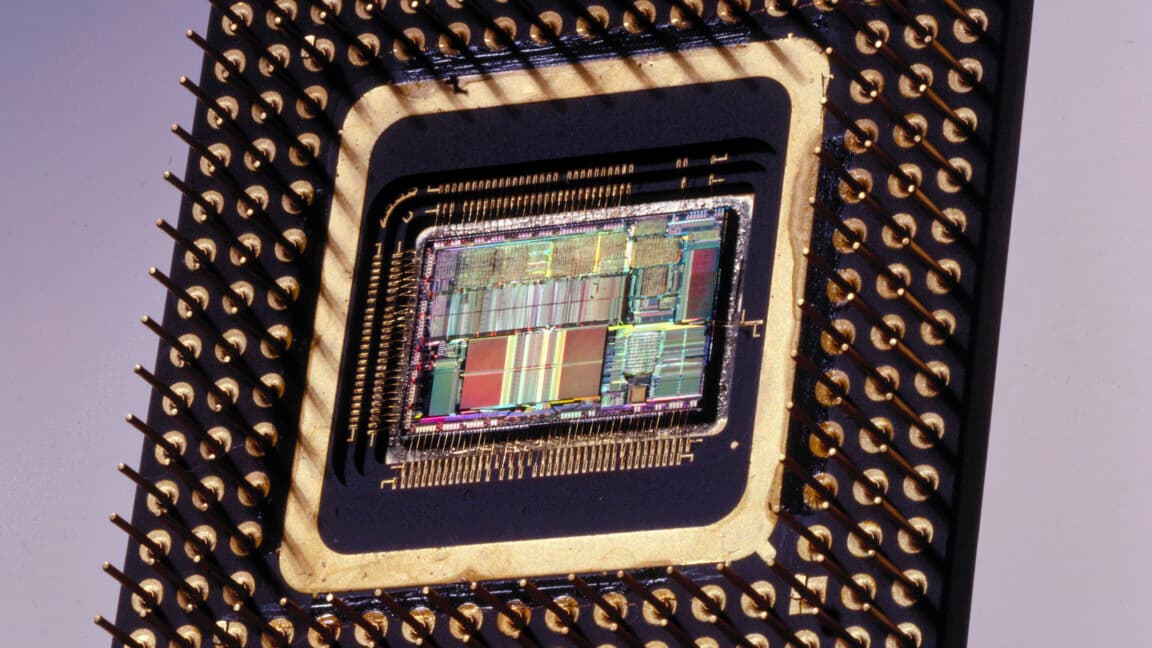
Linux Finally Lets the 486 Die – and the Myth of “Runs Everywhere” With It
Linux is finally dropping Intel 486 support. The change is symbolic more than practical – and it exposes how long “forever” support really lasts.

Intel’s Packaging Gamble: Shortcut to the AI Future or Another Detour?
Intel is betting big on advanced chip packaging to regain relevance in AI. Here’s why this matters, how it reshapes the foundry game, and what it means for Europe.
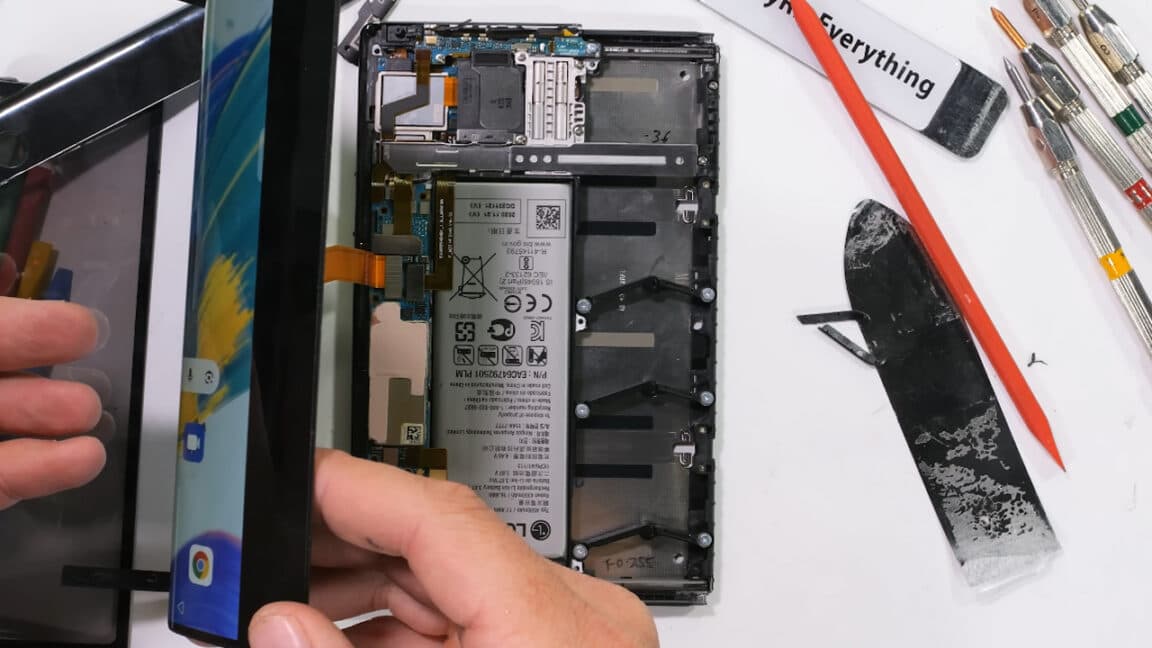
LG’s Rollable Autopsy: The End of Moving Parts in Smartphones
The teardown of LG’s unreleased Rollable phone explains why rollable smartphones never launched – and why the future of phones is in software, not moving parts.

Italy Just Put Streaming on Notice: Netflix’s Price Hikes Weren’t a Free Pass
A Rome court ordering Netflix to refund years of price hikes in Italy is a warning shot for the entire subscription economy. Here’s what it means for streaming and digital services in Europe.

Gmail finally lets you fix your address – and quietly tightens Google’s identity lock‑in
Google is finally letting Gmail users change their address without a new account. That’s good news for users – and a quiet win for Google’s identity lock-in.

Dolby vs. Snapchat: AV1’s Royalty‑Free Dream Meets Patent Reality
Dolby’s lawsuit against Snap over AV1 patents threatens the codec’s royalty‑free promise and could reshape video streaming, licensing and EU policy.

Sony’s Pricey PS5: When the AI Boom Collides with Console Reality
Sony’s PS5 price hikes show how the AI boom is distorting hardware costs, pushing consoles into premium territory and reshaping the future of gaming.
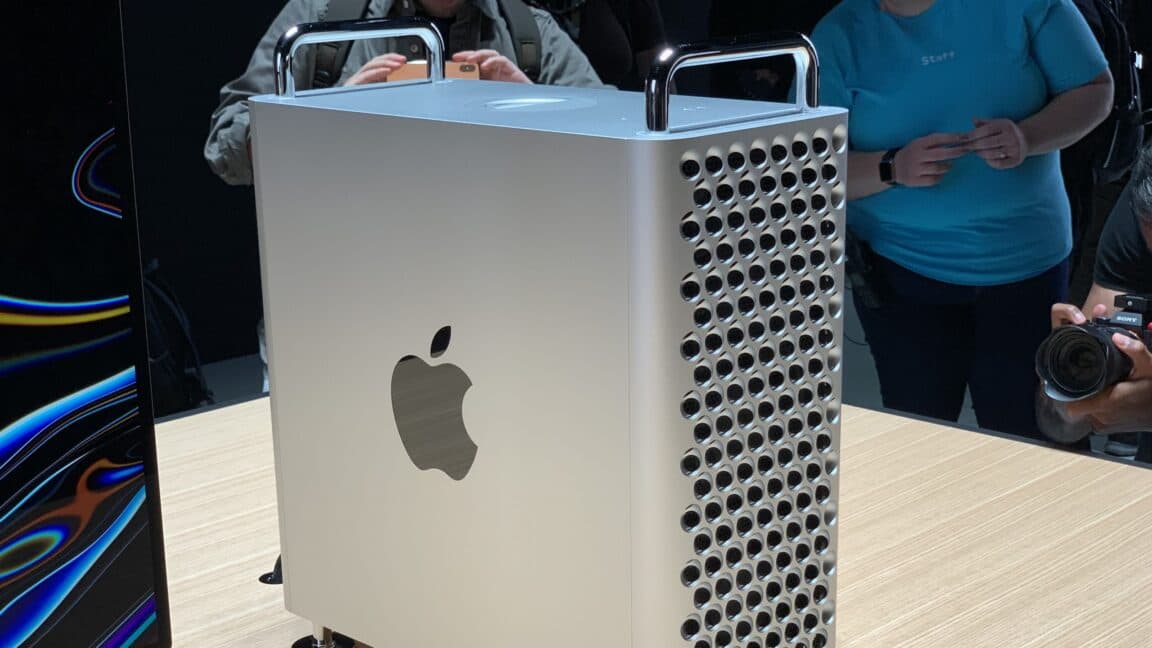
The End of the Mac Tower: What Apple’s Exit Really Means for Pro Users
Apple has killed the Mac Pro tower. Here’s what that really means for pro users, Apple’s strategy, and the future of high‑end workstations.
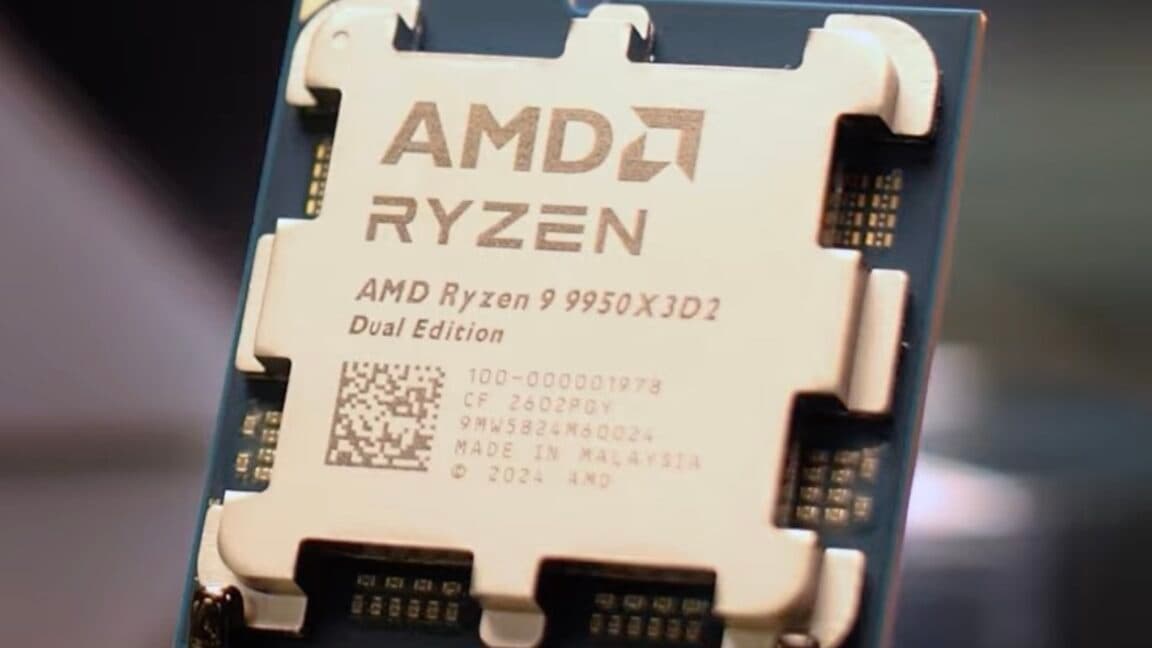
AMD’s 208MB desktop monster: smart fix or just an expensive flex?
AMD’s Ryzen 9 9950X3D2 doubles down on 3D V‑Cache with 208MB on desktop. We analyse who actually benefits, the trade‑offs, and what it means for PC gaming.

Netflix’s 2026 Price Hike: When “Must‑Have” Turns Into Margin Machine
Netflix’s latest global price hike shows how streaming has shifted from cheap disruption to margin extraction. Here’s what it means for users and rivals.
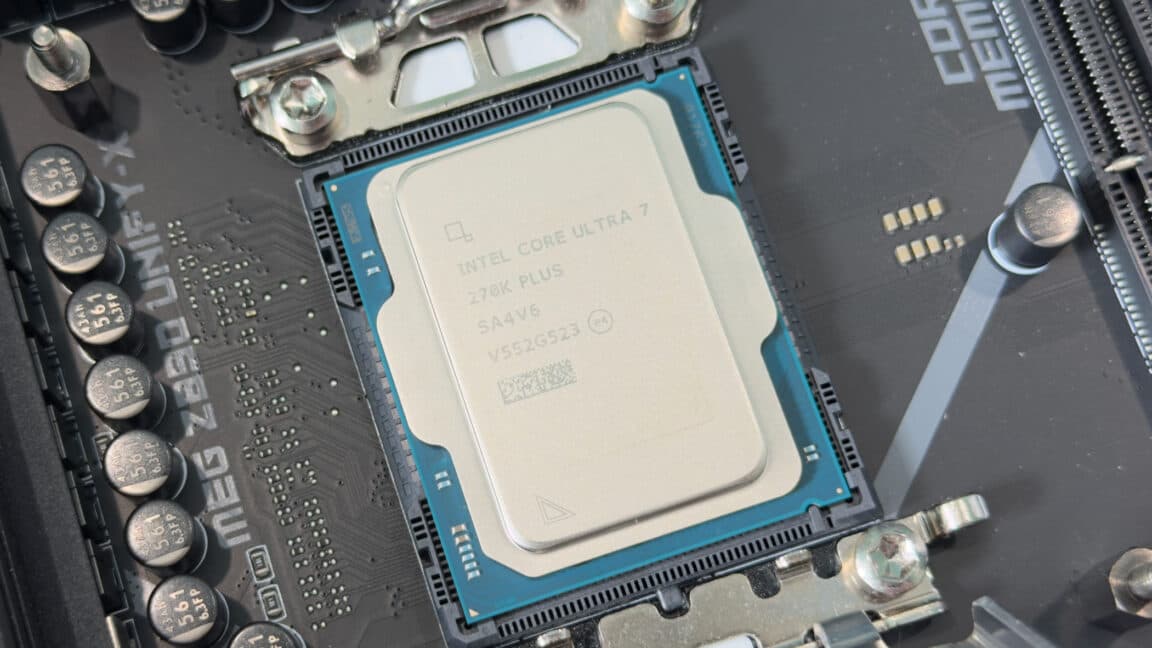
Intel’s Arrow Lake Refresh Is a Great CPU Deal in a Terrible PC Market
Intel’s Core Ultra 270K Plus and 250K Plus are superb midrange CPUs launched into a terrible, AI-distorted PC parts market. Here’s what really matters.

Starlink‑Powered Police Drones Are Here. The Real Shift Is Political, Not Technical
BRINC’s Starlink‑equipped Guardian drone looks like an incremental upgrade, but it signals a much bigger shift toward cloud‑based, always‑on police surveillance.

Reddit’s New ‘Human Check’ Isn’t Just About Bots—It’s About Power
Reddit’s new human-verification checks aim to fight bots—but also reshape identity, regulation and AI data economics on the platform.
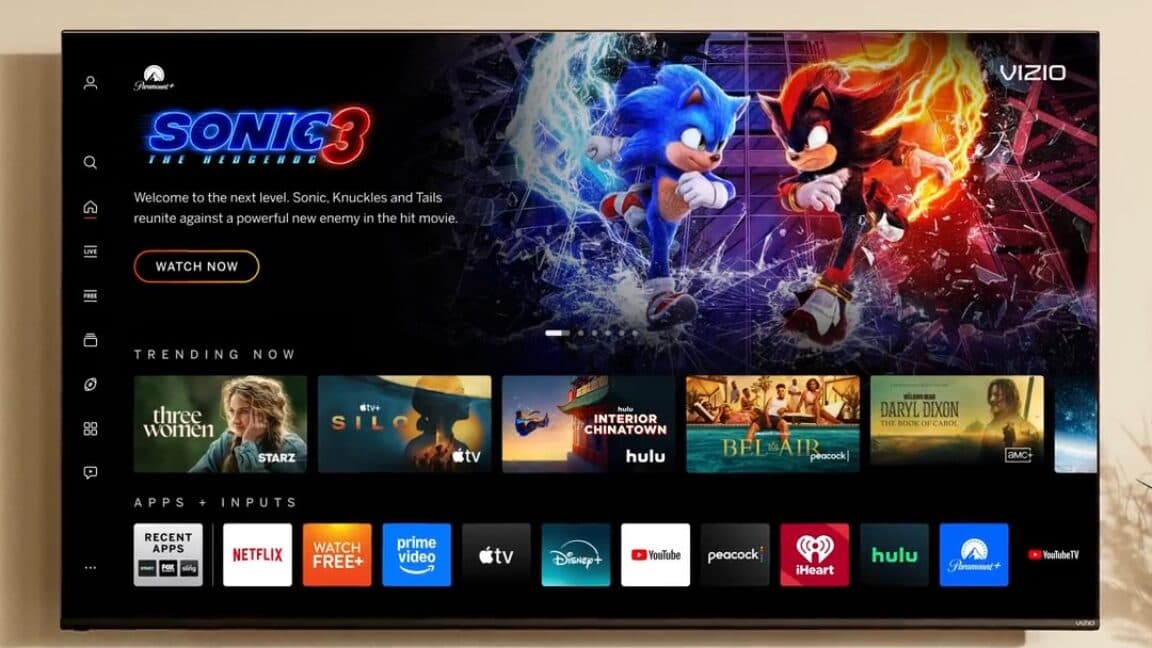
Walmart Just Turned Vizio TVs into Shopping Terminals
Walmart now requires accounts on select new Vizio TVs, turning living-room screens into retail ad funnels. Here’s why that matters for TV buyers.
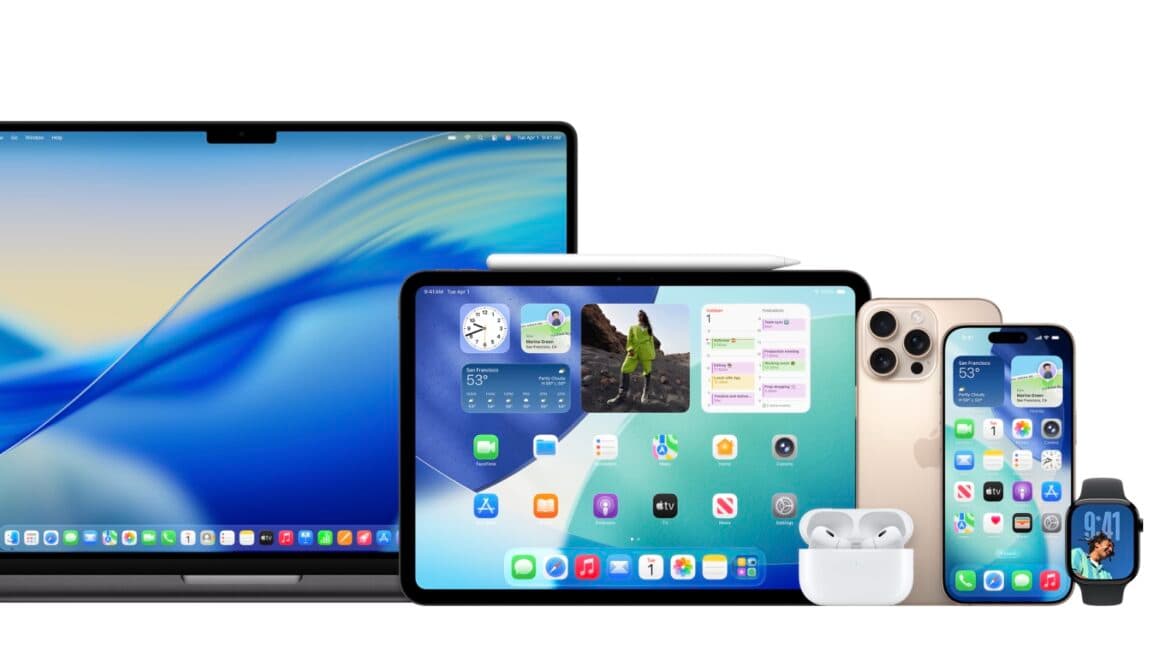
Apple’s 26.4 Wave: Incremental Updates, Strategic Signals
Apple’s 26.4 updates look small, but they signal Apple’s strategy on security, AI, RCS messaging and EU regulation. Here’s what really changes.
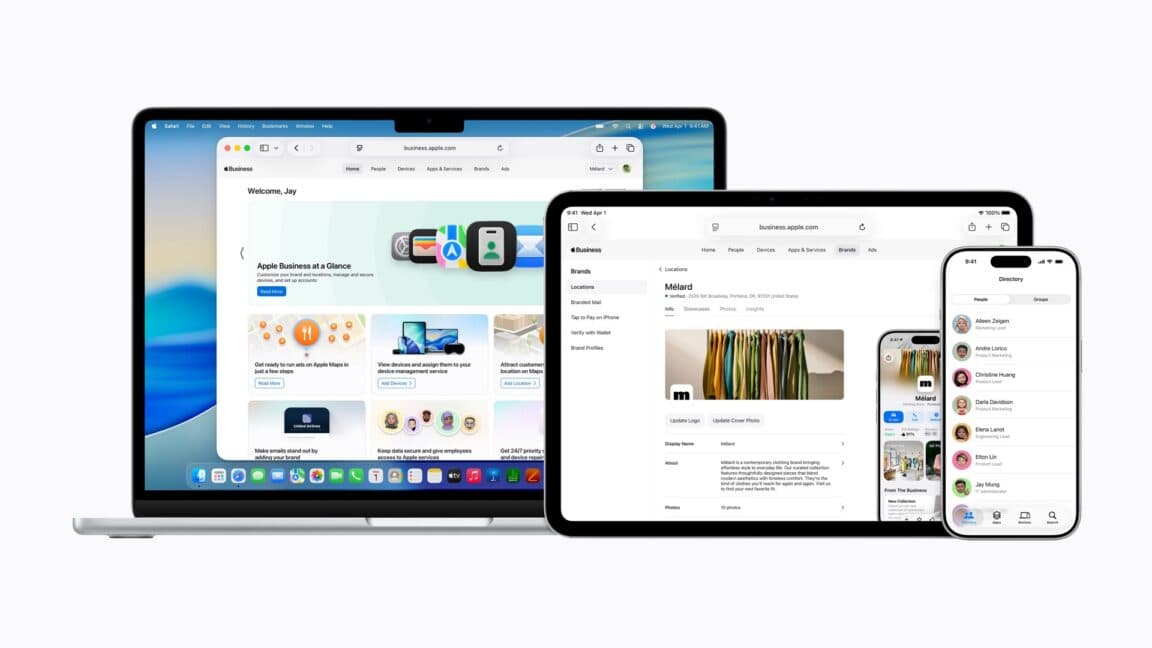
Apple Maps ads: a small UI change with big strategic consequences
Apple is turning Maps into an ad surface. Here’s what that reveals about its Services strategy, competition with Google, and looming EU regulatory battles.