Apple’s new super cores: when CPU architecture becomes a marketing tool
The latest macOS Tahoe 26.3.1 update does not actually make your MacBook Pro with M5 any faster. Yet Apple presents it as if your processor just gained new super cores. What really changed is the label in Activity Monitor and System Information, plus support for the new Studio Displays. Behind that small cosmetic tweak is a bigger story about how Apple wants us to think about CPUs, displays, and the future of the Mac ecosystem. This is less about silicon and more about narrative, control, and product strategy.
The news in brief
According to Ars Technica, Apple’s macOS Tahoe 26.3.1 update officially adopts the new core naming Apple introduced with the M5 Pro and M5 Max earlier this week.
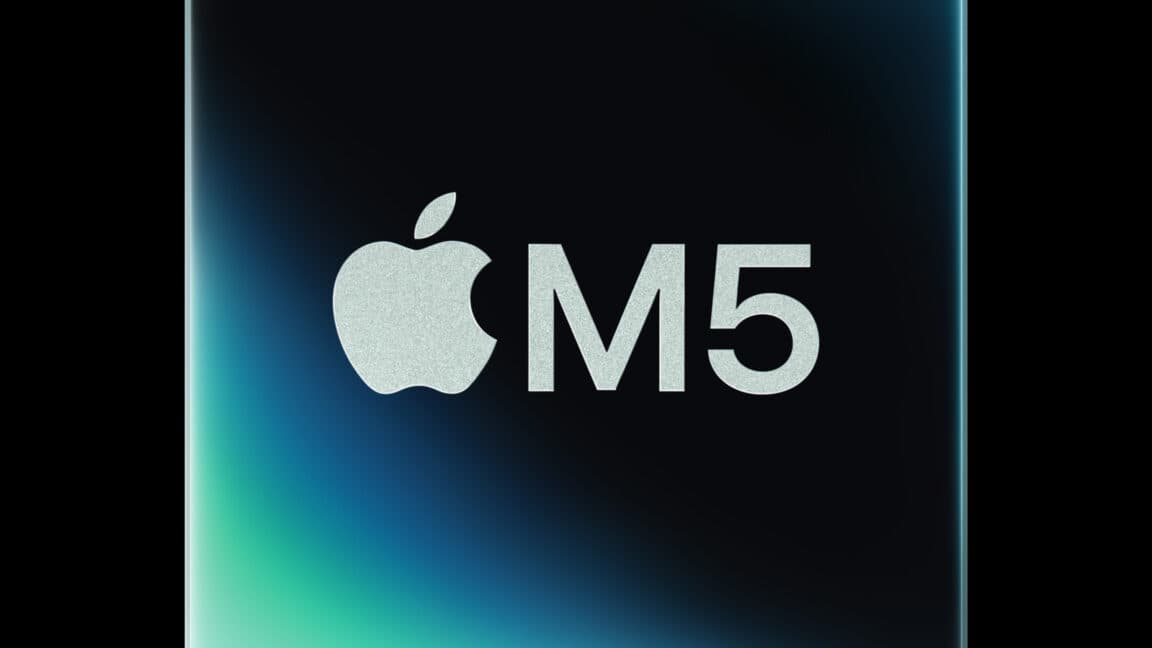
Previously, Apple Silicon cores were split into performance and efficiency types. On M5, the old performance cores are now called super cores. A new middle tier is named performance cores, while efficiency cores keep their original name. The update changes this terminology in Activity Monitor and System Information on the existing M5 MacBook Pro, the only M5 Mac that shipped before the naming shift.
Ars Technica stresses that this is purely cosmetic: there is no change in behavior or performance. Macs with older M series chips (M1 to M4) keep the old labels.
The same 26.3.1 update is also required to support Apple’s new Studio Displays. These monitors again contain an iOS‑style subsystem, now based on an A19‑series chip instead of the A13 used in the original Studio Display, and receive firmware updates via the connected Mac. Not every Mac is compatible, and the last Intel models in particular are excluded from the support list.
Why this matters
Nothing got faster, so why bother? Because naming is how Apple tells customers what matters. By elevating some cores to super status and inserting a new middle performance tier, Apple is reshaping mental models of what a Mac chip is.
The winners are Apple’s marketing and product segmentation teams. Super is an easier story to sell than performance, especially when you want to convince buyers that M5 Pro or M5 Max are a clear step above the base M5, even if all are built on the same generation of technology. It also sets Apple up for future step‑ups: super cores can be scaled in count or frequency, while the new mid‑tier performance cores become the workhorses for less demanding bursts.
The losers are clarity and, potentially, developers. We now have three CPU classes on one chip, plus GPU cores, media engines, and neural engines. Managing expectations about which threads run where becomes more complex. Most users will never think about it, but power users and developers looking at Activity Monitor will need to relearn the vocabulary.
At a strategic level, this is Apple leaning even harder into heterogeneous computing. The Mac is being optimized not for a single peak number, but for a carefully sculpted curve of power, responsiveness, and battery life across many workloads.
The Studio Display angle matters too. By moving to an A19‑based subsystem and making macOS 26.3.1 mandatory, Apple again ties an expensive peripheral to a specific OS generation. If your Mac is too old, you are simply not invited. That is another nudge away from Intel Macs and toward the Apple Silicon world where Apple controls the whole stack.
The bigger picture
Apple is not operating in a vacuum. The entire industry has been marching toward more complex core hierarchies for a decade.
ARM’s big.LITTLE approach normalized mixing fast and frugal cores. Intel now ships desktop CPUs with performance and efficiency cores. Qualcomm is touting its prime cores in its PC chips. Apple started with a two‑tier split on the M1 and is now adding a third class. The terminology may differ, but the direction is the same: squeeze more work per watt by matching tasks to cores that are just fast enough.
What is new here is how aggressively Apple is branding that complexity. Super core is not an engineering term; it is a brochure word. When Apple starts promoting it in on‑stage slides and UI labels, it signals that core types will become part of how Mac models are differentiated, as storage tiers and GPU counts already are.
The Studio Displays fit another industry trend: the monitor as a computer. Samsung pushes Smart Monitors with Tizen, LG has webOS displays, and Apple puts full smartphone‑class chips into its screens. On paper this enables nicer cameras, better speakers, and firmware‑level image processing. In practice it also creates a lock‑in loop: your display depends on your Mac for updates, and your Mac must be new enough to talk to it.
We have seen this movie before with features like Continuity Camera or Sidecar: technically optional perks that quietly push users toward newer hardware. The exclusion of the remaining Intel Macs from the Studio Display support matrix is not an accident; it is part of the gradual sunset of x86 Macs.
All of this points to a Mac future that looks more like the iPhone ecosystem: deeply integrated, great when you are inside, increasingly hostile to anything outside the upgrade window.
The European angle
For European users, the change in core names is mostly symbolic, but the implications around hardware lifecycles are concrete.
The EU has been pushing for longer‑lasting devices through initiatives around right to repair, eco‑design, and upcoming rules on software support periods. At the same time, gatekeeper rules under the Digital Markets Act try to curb how tightly companies like Apple can bind users into a single ecosystem.
Apple’s move here is subtle but telling. The Studio Displays are premium, professional tools. In cities like Berlin, Barcelona, or Paris, they will sit on the desks of video editors, designers, and software engineers who typically expect to amortize monitors over many years. By making support dependent on a relatively recent macOS release and excluding older Macs, Apple is shortening the practical life of what looks like a dumb peripheral but is in reality an embedded iOS device.
For IT departments in European companies, that raises real TCO questions. Does buying an Apple monitor now commit you to keeping a compatible fleet of Macs within a certain age band? How does that square with sustainability goals or internal policies about device lifetimes?
On the competition side, European users still have alternatives: high‑end displays from Eizo, Philips, or LG that rely on standard DisplayPort and HDMI, without a hidden mobile SoC inside. Those may lack fancy camera processing, but they are also less tied to a specific OS version.
The tension between EU policy goals and Apple’s integrated strategy is likely to sharpen as more peripherals start acting like locked‑down computers.
Looking ahead
The most likely outcome in the short term is that most users ignore the new naming, while Apple leans on it in marketing materials. macOS will quietly keep improving its scheduler to take full advantage of three CPU tiers without exposing any extra switches.
Where it becomes interesting is for developers and pro applications. In the next one to two macOS releases, watch for more explicit APIs that let apps hint whether a task prefers super, performance, or efficiency cores, especially in areas like 3D rendering, audio production, and AI inference. Apple will want flagship apps to produce benchmarks that justify the existence of super cores.
On the hardware side, expect the display strategy to continue. An A19 today makes room for more advanced image processing and maybe on‑device machine learning in the future. Features like automatic subject framing, advanced background effects, or local noise removal for microphones can all run on that embedded chip without touching Mac CPU budgets. The trade‑off will be an even stronger dependency on firmware updates.
The biggest unanswered questions are about longevity and openness. How long will Apple provide meaningful firmware updates for these A19‑based Studio Displays? Will older models lose features once the Mac side moves on? Could EU regulators eventually treat such displays as part of a tied ecosystem under the DMA and push for more interoperability?
For buyers, the opportunity is clear but so is the risk: you get a tightly integrated, polished experience, but you are betting that Apple’s upgrade pace matches your own.
The bottom line
macOS Tahoe 26.3.1 does not secretly overclock your M5; it renames your cores and tightens Apple’s grip on how Macs and monitors evolve together. The super core branding tells us that CPU architecture is now also a marketing channel, and the A19‑powered Studio Displays underline how few Apple products are truly passive anymore. The real question for users, especially in heavily regulated and sustainability‑minded Europe, is simple: how much control over your upgrade cycle are you willing to hand to Cupertino?