1. Headline & intro
Microsoft is about to do something it has threatened to do for two decades: treat every Windows PC as if it were an Xbox. The upcoming "Xbox mode" for Windows 11 is more than a slick full‑screen launcher for handhelds – it is Microsoft’s first real attempt to turn Windows itself into a console-style gaming platform that can live on anything from a Steam Deck rival to a living‑room mini PC. In this piece, we’ll unpack what was announced, why Valve and console makers should pay attention, and how this could reshape PC gaming – especially in Europe.
2. The news in brief
According to Ars Technica’s coverage from the Game Developers Conference (GDC), Microsoft will roll out a new "Xbox mode" to other Windows 11 PCs in select markets starting in April.
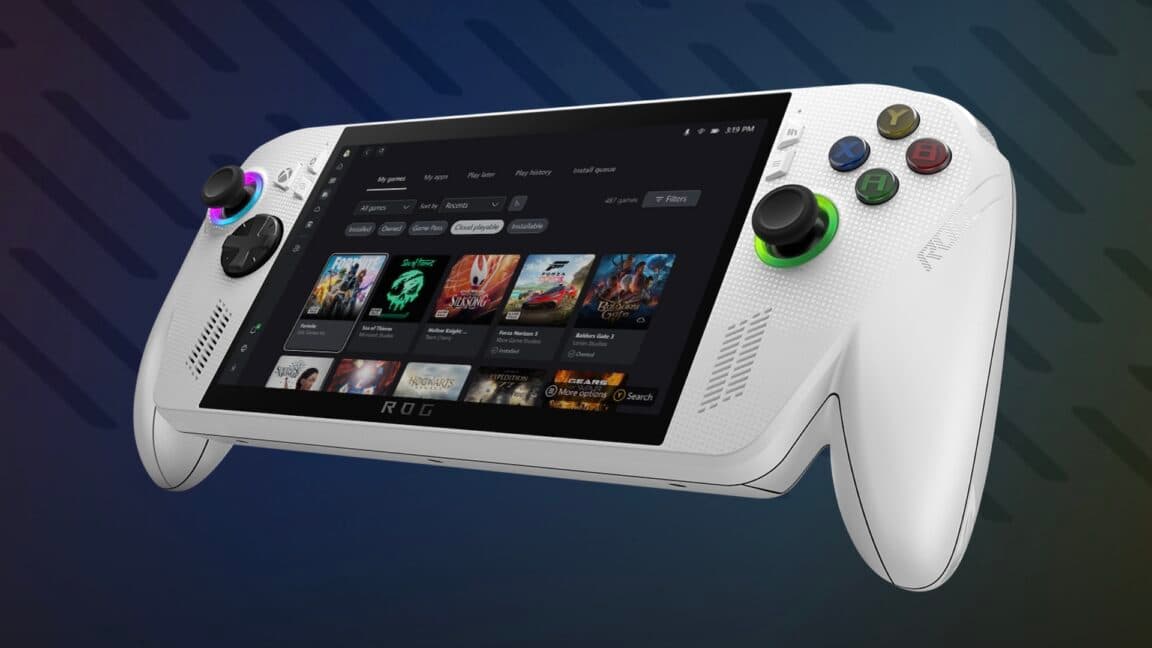
The mode first appeared on Asus’ ROG Ally X handheld in 2025 as a controller‑friendly, full‑screen interface sitting on top of standard Windows 11. Underneath, it remains regular Windows, but with some system services and UI elements – like the Start menu and taskbar – not loaded. Microsoft claims this frees up around 1–2 GB of RAM and can reduce power use.
Users can at any time switch back to the regular desktop, and games from third‑party stores like Steam or Epic still rely on those launchers to handle purchasing and downloads. At GDC, Microsoft also highlighted related gaming improvements, including updates to DirectStorage, DirectX and broader deployment of Asus’ Advanced Shader Delivery tech to reduce shader stutter.
3. Why this matters
On paper, Xbox mode is just a new shell. Strategically, it’s a statement: Microsoft wants Windows to be the default operating system for handheld gaming – not SteamOS, not custom Android variants.
The obvious winners are:
- Microsoft, which strengthens Windows’ grip on PC gaming and gains another route to sell Game Pass subscriptions.
- OEMs like Asus, Lenovo, MSI and others, who get an official, console‑style interface instead of building (and maintaining) their own often-clunky launchers.
- Game developers, who now have a more predictable baseline UI for controller-first PCs, theoretically reducing support headaches.
The potential losers:
- Valve and SteamOS. Steam Deck’s biggest strategic asset is that it offers a console‑like UX in a PC world. If Windows handhelds become equally plug‑and‑play, Valve’s differentiation shrinks.
- Users who value clean, minimal Windows installs. Another major-mode experience invites more preloads and vendor customisation.
The core problem Microsoft is trying to solve is friction. Running Windows on handhelds today is powerful but messy: desktop scaling, window management, launchers fighting each other, and battery-unfriendly background services. Xbox mode hides much of that, frees some RAM, and gives OEMs a single supported path.
Yet this move also creates new tensions. The moment you hide the traditional desktop and put an Xbox‑branded experience upfront, you raise questions about platform control: whose store is front and centre, and how easy is it really to live entirely in Steam on a Windows handheld that boots into an Xbox UI? That’s where this becomes more than just UX polish.
4. The bigger picture
Xbox mode sits at the intersection of three big trends.
1. The handheld PC wave. Since Steam Deck arrived in 2022, we’ve seen a flood of x86 handhelds from Asus, Lenovo, Ayaneo and others. Most shipped with stock Windows because that’s where the games are, but none felt like a finished product. Microsoft has been improvising handheld concepts since at least a 2022 internal hackathon; Xbox mode is the first coherent attempt to productise that work.
2. Consoles drifting toward PCs – and vice versa. Xbox consoles have long run a Windows-derived OS, and Windows has for years shipped with the Xbox app and Game Bar. But there was still a clear conceptual line: consoles boot into a curated, locked‑down dashboard; PCs boot into a general-purpose OS. Xbox mode blurs that line. It is not hard to imagine a future “Xbox” box shipping with a locked-down variant of this mode on top of Windows.
3. Platform owners pushing unified ecosystems. Look at Apple: Macs, iPads and iPhones are slowly converging around the same services and frameworks. Sony is bringing PlayStation titles to PC and experimenting with streaming. For Microsoft, the logical play is: one OS (Windows), one services layer (Game Pass, Xbox Network), many form factors (desktop, laptop, handheld, TV box).
Against that backdrop, Valve’s approach is very different: SteamOS is Linux‑based, open enough to dual‑boot and tinker with, but tightly optimised around Steam. Microsoft’s approach is the opposite: keep the full Windows stack and sand down the rough edges just enough that it can pass as a console.
History suggests where this could go. Windows Media Center in the 2000s tried to turn PCs into set‑top boxes; it failed, partly because the core Windows experience was never truly secondary. This time, Microsoft is better aligned with hardware partners, and the handheld use case is clearer. But the same question hangs over Xbox mode: is this a primary experience or just another layer on an already complex OS?
5. The European / regional angle
For European users and regulators, Xbox mode raises familiar questions about bundling and gatekeeping.
On one hand, EU gamers stand to benefit. Handhelds and small form factor PCs running Windows 11 in Xbox mode could become the default “console” for markets where traditional consoles are expensive or hard to find. RAM and power savings matter particularly on cheaper devices popular in Central and Eastern Europe.
On the other hand, when the first screen you see on a generic PC is an Xbox‑branded UI pushing Game Pass and Microsoft Store content, regulators will inevitably test it against the Digital Markets Act (DMA). If Windows is classified as a “core platform service”, Microsoft will need to demonstrate that rival stores like Steam, GOG, or Epic are not being unfairly buried behind extra clicks or worse battery life.
GDPR is less central here, but still relevant: richer telemetry from game sessions in Xbox mode, cross‑device tracking with Xbox consoles, and Game Pass personalisation all need strong consent flows for EU users.
For European PC builders and boutique OEMs, this could be a mixed blessing. They gain a polished handheld/TV mode “for free”, but risk Microsoft owning the user relationship from the very first boot. Regional game stores and cloud‑gaming providers will want to make sure they can plug into Xbox mode instead of being relegated to the old desktop.
6. Looking ahead
Three things are worth watching over the next 12–24 months.
1. How open is Xbox mode in practice?
If Steam, Epic, GOG and regional stores can:
- surface their libraries natively in the UI,
- manage downloads and updates without dumping users onto the desktop,
- and be set as the primary store,
then Xbox mode becomes a powerful, user‑friendly shell for the entire PC ecosystem. If, instead, it subtly funnels you back to Microsoft’s own store and Game Pass, expect both user backlash and regulatory scrutiny in the EU and UK.
2. What happens with the next Xbox hardware?
Microsoft’s own gaming leadership has already hinted that future Xbox devices will look more like PCs running Windows. If a future “Xbox” boots into an evolved Xbox mode with a locked‑down configuration, Microsoft could:
- simplify game development (one OS target),
- blur the line between Xbox and Windows licences,
- and even let enthusiasts flip a switch to unlock the full Windows desktop on their console.
That would be radical for the console business – and potentially very attractive for PC‑first gamers in Europe who currently skip consoles entirely.
3. Can Valve respond without becoming more like Microsoft?
Valve has two obvious counter‑moves: dramatically improve SteamOS support on third‑party handhelds, and double down on Linux compatibility layers so publishers feel comfortable shipping without a Windows dependency. But as Windows becomes more handheld‑friendly, OEMs may be less willing to ship a Linux default, especially in regions where Windows licences are cheap via volume deals.
7. The bottom line
Xbox mode is not just a new skin for Windows 11; it is Microsoft’s opening bid to own the handheld PC experience and, potentially, the definition of what “an Xbox” is in the 2030s. If it remains open to rival stores, gamers and OEMs worldwide stand to gain. If it quietly elevates Microsoft’s own ecosystem above all others, Europe’s regulators will almost certainly step in. The real question is simple: when you buy a future handheld PC, will it feel more like a small laptop that can play games – or an Xbox that sometimes does spreadsheets?