- HEADLINE & INTRO
Apple’s new M4 iPad Air looks almost boring at first glance—and that’s exactly why it matters. On paper, this is the definition of a minor refresh: same design, same 60 Hz LCD, same accessories. But hidden behind the familiar shell is a far more consequential shift: 12 GB of RAM in a mid-range iPad. That one number says more about Apple’s roadmap for iPad, AI features and product segmentation than any flashy redesign could. In this piece, we’ll look beyond the spec sheet to unpack what this upgrade really signals for buyers, developers and Apple’s increasingly crowded tablet lineup.
- THE NEWS IN BRIEF
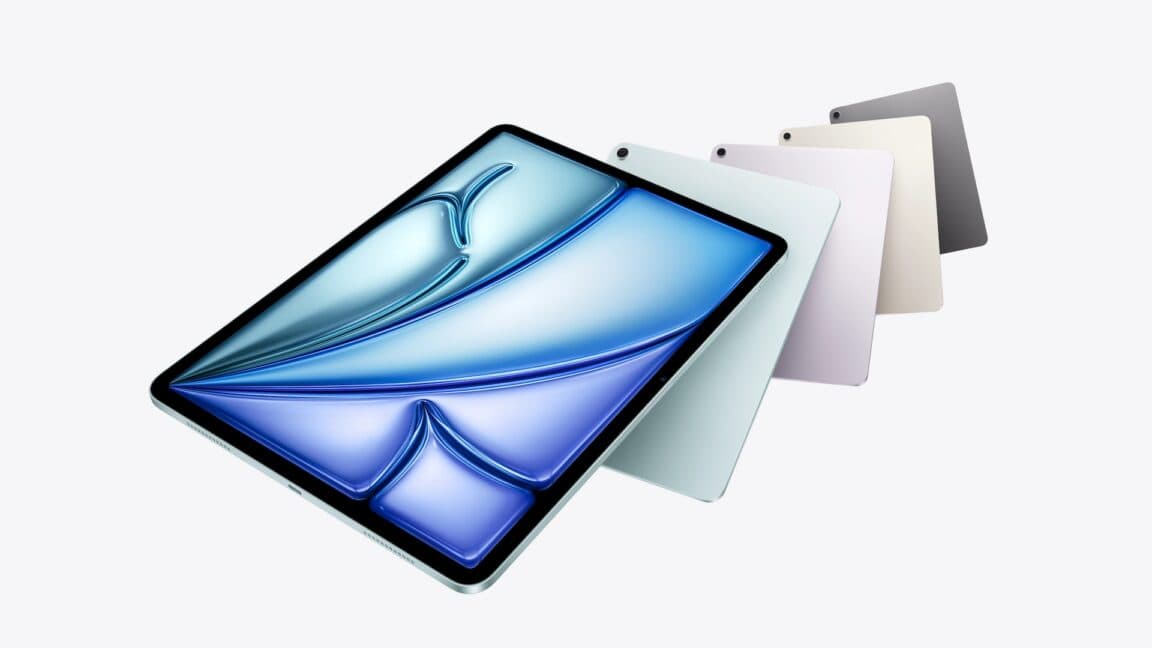
According to Ars Technica, Apple has introduced a refreshed iPad Air line powered by the M4 chip, replacing last year’s M3 version. The tablet keeps the existing design and comes in 11‑inch and 13‑inch variants, starting at $599 and $799 respectively, still with 128 GB of base storage. Storage upgrades to 256 GB, 512 GB and 1 TB are available at additional cost.
The standout change is memory: the new M4 iPad Air now includes 12 GB of RAM, up from 8 GB in the prior generation. Apple positions this as a boost for iPadOS 26’s multi‑window multitasking features. The M4 chip used here is slightly cut down versus the Mac and iPad Pro versions, with 8 CPU cores (3 performance, 5 efficiency) and 9 GPU cores. The Air continues to offer a 60 Hz LCD display, Touch ID in the power button, and a single 12 MP rear camera. Preorders open March 4, with availability from March 11.
- WHY THIS MATTERS
The RAM increase is not a footnote—it’s the whole story. Moving the mid‑range iPad Air to 12 GB of memory elevates it from “nicely fast tablet” to “genuinely capable primary device” for many users. RAM, more than raw CPU speed, dictates how many apps and browser tabs can stay live, how complex your creative projects can be, and whether multitasking feels fluid or frustrating.
Who wins? Power users who don’t care about ProMotion or OLED suddenly have a very compelling option. Students, developers on the go, and creatives who work with large photos, music projects or light video editing get Pro‑class memory without paying Pro prices. It also extends the device’s useful life: a 12 GB iPad bought in 2026 is far more likely to still feel acceptable in 2030 when iPadOS and apps are heavier.
Who loses? The iPad Pro’s value proposition takes a subtle hit. With the same M4 architecture and only slightly trimmed cores, the performance gap between Air and Pro in day‑to‑day use will shrink for many tasks. Apple is pushing the Pro further into being defined by its display (OLED, ProMotion, nano‑texture), higher storage/RAM ceilings and niche workflows, rather than raw speed.
The other loser is anyone who just bought an M2 or M3 iPad Air for multitasking or pro‑ish workloads. Those devices will age faster in terms of perceived responsiveness. Apple hasn’t raised the 128 GB base storage, which keeps upsell pressure strong, but the RAM jump clearly prepares the Air for heavier iPadOS features—especially AI‑driven ones—that Apple hasn’t fully shown yet.
- THE BIGGER PICTURE
This update slots neatly into several broader industry trends.
First, the PC–tablet convergence. For years, Apple has pitched the iPad as a PC replacement while often undermining that claim with limited multitasking and meagre RAM on non‑Pro models. Giving the mid‑tier iPad Air 12 GB finally aligns the hardware with that narrative. It’s much closer to thin‑and‑light laptops and high‑end Android tablets from Samsung and others, many of which already ship with 12–16 GB.
Second, it fits Apple’s emerging AI hardware strategy. Even before fully detailing its on‑device AI roadmap for iPad, Apple is quietly seeding the installed base with the resources those features will need: high‑efficiency M‑series silicon and plenty of memory. Large language models, generative image tools and smarter system features are extremely RAM‑hungry. The message to developers is clear: you can start designing more ambitious, memory‑intensive iPad apps without instantly excluding the mid‑range.
Third, the product‑segmentation playbook remains intact. Apple deliberately withholds a few premium features—OLED, ProMotion, nano‑texture, 16 GB RAM—from the Air to justify the Pro’s higher prices, very much like how MacBook Air vs. MacBook Pro is structured. For most real‑world workloads, an M4 with 12 GB will be indistinguishable from the beefier Pro in performance. What you’re really paying for at the top end is display quality, storage and very specific workflows (high‑end video, 3D, color‑critical work).
Historically, Apple has used RAM bumps to reset the longevity and value equation rather than to headline a generational shift. That’s exactly what’s happening here: the M4 Air is less about dazzling new hardware and more about avoiding the perception that iPads are short‑lived or constrained devices compared to laptops.
- THE EUROPEAN / REGIONAL ANGLE
For European buyers, the question is simple: is this finally the “good enough for years” iPad at a semi‑reasonable price? With EU VAT and usually higher nominal pricing than in the US, the iPad Air has often sat in an uncomfortable middle ground—too expensive for casual users, not distinct enough from the Pro for professionals. The 12 GB RAM change directly tackles that perception of limited longevity.
EU regulation also shapes how attractive this device becomes over time. With stronger consumer protection, right‑to‑repair and sustainability policies gaining ground, Europeans increasingly expect hardware that lasts and receives long‑term software support. Extra RAM isn’t just about speed; it’s about keeping iPadOS updates usable for longer, reducing the pressure to upgrade every three years. That dovetails neatly with Europe’s environmental priorities, even if Apple’s messaging focuses on performance rather than durability.
On the competitive side, Samsung’s Galaxy Tab S series and Windows convertibles from Lenovo, Dell and others are pushing hard in education and public‑sector deployments across the EU. A 12 GB iPad Air with Apple Pencil Pro support gives schools, universities and creative programs a more robust mid‑range option, particularly in markets like Germany, the Nordics and Benelux where iPad deployments are already common.
At the same time, Apple’s ecosystem and App Store practices are under scrutiny via the Digital Markets Act. While the iPad is not yet as central to DMA enforcement as the iPhone, any future opening around alternative app distribution or in‑app payments would significantly increase the iPad Air’s attractiveness to European pro users who need specialized software, including locally developed tools.
- LOOKING AHEAD
The M4 iPad Air looks designed for software we haven’t fully seen yet. The safe bet is that upcoming versions of iPadOS will lean much harder into:
- more flexible multi‑window multitasking, perhaps closer to a traditional desktop metaphor;
- on‑device AI features—summarisation, image generation, smarter search—that run locally for privacy and latency reasons;
- heavier pro apps from Apple and third parties, such as more capable video, audio, 3D and coding tools.
All of these are memory‑intensive. That’s why 12 GB in the mid‑tier matters more than the incremental CPU/GPU changes.
Watch for three things over the next 12–18 months:
How Apple differentiates the next iPad Pro generation if the performance gap to the Air has narrowed. Expect even more emphasis on displays, accessories and storage/RAM ceilings.
Whether iPadOS finally breaks out of its conservative multitasking model. If it doesn’t, the extra RAM will feel wasted to many buyers; if it does, older 8 GB devices will start to feel constrained faster.
How aggressive Apple gets with AI on iPad compared to iPhone and Mac. The hardware is now clearly ready.
There are also risks. Developers may target 12 GB as the new baseline faster than users upgrade, exacerbating fragmentation. Buyers of recent 8 GB iPads may feel burned. And if iPadOS continues to lag behind macOS and Windows in flexibility, a very powerful iPad Air will still be held back by software design decisions.
- THE BOTTOM LINE
The M4 iPad Air is a classic Apple move: minimal visible change, maximum strategic impact. By quietly pushing the mid‑range to 12 GB of RAM, Apple is future‑proofing its most important iPad for heavier multitasking and upcoming AI‑driven features, while still protecting the Pro line with display and storage perks. For many users, this will finally be the iPad that can credibly replace a laptop for years, not just a cycle or two. The real question is whether iPadOS will grow ambitious enough to take full advantage—or stay cautiously half‑step behind the hardware.