1. Headline & intro
Meta’s flagship metaverse app has quietly done something Mark Zuckerberg once said would define the future of computing: it walked away from VR as its core. Horizon Worlds, the poster child for Meta’s metaverse dream, is being reoriented around mobile phones instead of Quest headsets. That’s more than a simple product tweak. It’s a signal about where Meta thinks attention, money, and regulation are headed in the next decade. In this piece, we’ll unpack what this pivot really means—for VR, for the metaverse narrative, and for users and developers on both sides of the Atlantic.
2. The news in brief
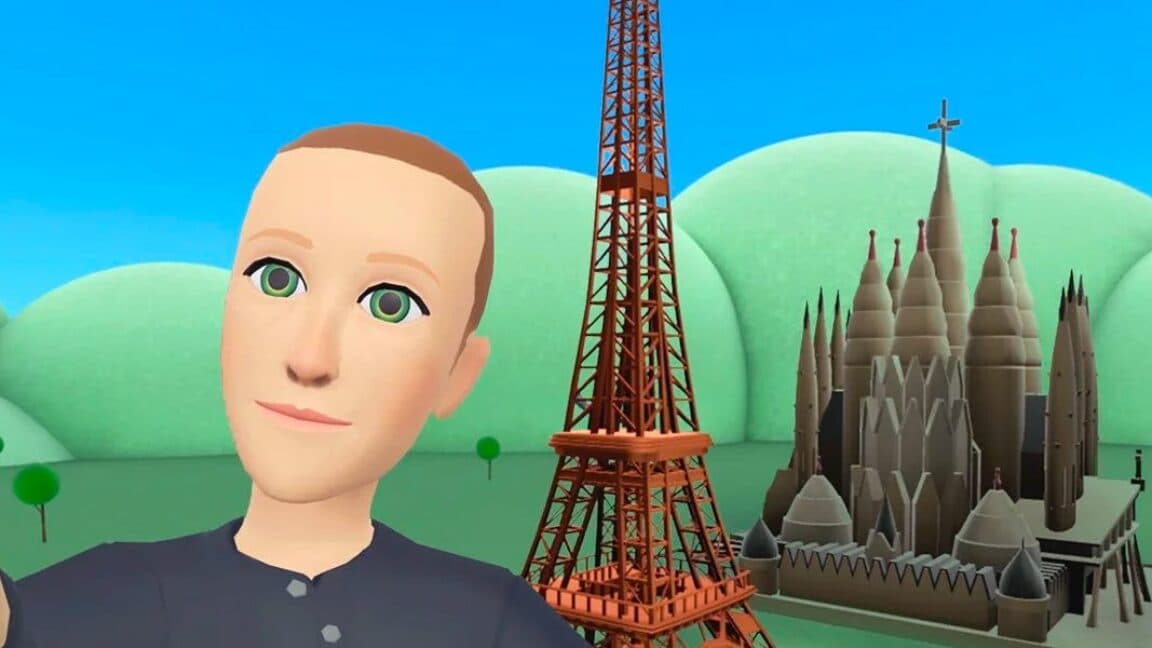
According to Ars Technica, Meta is detaching its Horizon Worlds social and gaming platform from its Quest VR ecosystem and store, and will now focus the service “almost exclusively” on mobile devices. Horizon Worlds, once heavily marketed as Meta’s first major step into the metaverse, already launched a mobile app last year. Meta reportedly saw a strong influx of users interested in casual social gaming—but not necessarily in using VR headsets.
The company insists it will continue to design, manufacture, and sell VR hardware, and it plans to keep running app stores for third‑party VR developers. However, internal VR content studios have been hit hard. Ars Technica, citing CNBC, notes that Meta has lost around $80 billion on Reality Labs to date and recently cut over 1,000 jobs there, largely in VR content and experiences. Meta says it is shifting toward a third‑party‑driven VR ecosystem while concentrating its speculative bets on smart glasses and AI technologies.
3. Why this matters
Horizon Worlds abandoning VR as its primary home is not just a product shift—it is a status update on the entire metaverse thesis. Meta is conceding that the “next big social platform” is not arriving via headsets in the short term. Instead, it’s going back to the same place every other mass‑market social product lives: the smartphone.
The winners here are clear. Mobile‑first casual players—think Roblox, Fortnite Creative, TikTok’s mini‑apps—have been training users to expect lightweight social gaming on phones, not in bulky headsets. Horizon on mobile slots neatly into that behavior, with a potentially much larger funnel and lower friction than VR. Third‑party VR developers also benefit: if Meta is serious about stopping most first‑party content production, it’s less of a competitor and more of a platform provider.
The losers are the evangelists who pitched VR as the inevitable successor to the smartphone. Meta’s own internal VR studios, which just saw layoffs, are the most immediate casualties. But the broader message to investors and competitors is blunt: full‑immersion social VR is still niche, and it’s expensive.
Strategically, this move separates two bets that were previously fused: the idea of a metaverse and the requirement that it be experienced in VR. Meta is now effectively saying the metaverse—whatever remains of that concept—is a cross‑platform social layer, while VR becomes a specialized device category focused on gaming, fitness, and a few productivity use cases rather than a universal gateway to digital life.
4. The bigger picture
Meta’s pivot fits into a wider pattern: big tech cooling on the grand metaverse narrative and reframing XR as a feature, not a destiny.
First, look at competitors. Apple’s Vision Pro has been positioned less as a social metaverse portal and more as a high‑end personal computing device for productivity, media, and a handful of spatial experiences. Microsoft has quietly deprioritized its Mesh and HoloLens consumer ambitions in favor of targeted enterprise and military contracts. Even in gaming, where VR adoption is strongest, the growth story has shifted from “VR will replace consoles” to “VR is one more gaming segment.”
Second, Meta itself has already started repositioning. The most visible frontier now is smart glasses, especially in partnership with eyewear brands, combined with on‑device AI assistants. That’s much closer to the smartphone model: always‑on, socially acceptable, and deeply integrated into daily routines. In contrast, the fully immersive metaverse pitch required people to change where and how they use technology.
Third, the data from Meta’s own platform undercuts the original strategy. Ars Technica notes Meta’s claim that the overwhelming share of time in Quest headsets is spent in third‑party apps, not Meta’s own worlds. That’s the classic platform vs. first‑party dilemma: do you keep trying to out‑build your ecosystem, or do you lean into being an infrastructure provider and let others experiment at the edges?
In that light, Horizon’s mobile focus is less a retreat and more a rebalancing: Meta keeps the hardware and app store bet alive, but it moves its mass‑market social ambitions back to the device class that already won.
5. The European / regional angle
For European users and companies, Horizon’s move to mobile has two important consequences.
First, it removes a major barrier to entry. VR headset penetration in Europe is still modest and skewed towards enthusiasts and gamers in markets like Germany, France, and the UK. By focusing on mobile, Meta can suddenly treat Horizon as just another app in the Android/iOS universe—far easier to adopt in a market where smartphones are ubiquitous but discretionary spending on new hardware is constrained.
Second, it may trigger renewed regulatory scrutiny under the EU’s Digital Markets Act (DMA) and Digital Services Act (DSA). A mobile‑first Horizon means more data flowing through Meta’s already vast profiling apparatus, now augmented by AI. Regulators in Brussels, as well as data protection authorities across the bloc, will be alert to how social gaming data, in‑app purchases, and behavioral analytics are combined with Meta’s existing social graphs. Any future integration of Horizon with smart glasses will raise further questions under GDPR and, eventually, the EU AI Act—especially around biometric data and environmental sensing.
European startups in gaming and social experiences face a classic platform dilemma: Horizon on mobile is both an opportunity (access to Meta’s scale, cross‑border payments, and discovery) and a risk (deeper dependency on a gatekeeper already targeted by the DMA). Expect European studios to hedge by building cross‑platform experiences that work just as well on Roblox, Fortnite, or the open web as they do inside Meta’s ecosystem.
6. Looking ahead
Over the next 12–24 months, expect three things.
First, Horizon on mobile will likely morph into a more conventional social gaming hub—think a mash‑up of party games, UGC tools, and lightweight avatars, with optional links to VR for a subset of experiences. The metaverse rhetoric will quietly fade in favor of language about “creators,” “communities,” and “immersion” that doesn’t scare regulators or investors.
Second, VR on Quest will continue, but as a focused business: premium games, fitness, some enterprise training and collaboration. Meta will talk less about replacing laptops and more about high‑engagement niches. If third‑party devs keep capturing the majority of headset usage, Meta’s hardware strategy starts to look closer to a console maker with a generous subsidy model than to a vertically integrated social platform.
Third, the real long‑term bet shifts to smart glasses plus AI. Horizon could eventually become the backend social layer that ties together what you see through glasses, what you do in mobile apps, and how AI assistants respond. That’s where today’s pivot might matter most: Meta is standardizing its social layer on the most common denominator (mobile) so it’s ready to plug into wearables later.
The open questions are substantial: Will users accept Meta as the operating system of their mixed‑reality lives after past privacy scandals? Will regulators allow deep integration between social graphs, spatial sensing, and AI inference at scale? And can Meta turn any of this into sustainable profit after tens of billions in losses?
7. The bottom line
Meta’s decision to pull Horizon Worlds closer to mobile and away from VR‑first design is a pragmatic acknowledgement that the metaverse, as originally sold, is not arriving on schedule. VR isn’t dead, but it’s being demoted from “inevitable future” to “interesting niche.” For users and developers, the smart move now is to design for a cross‑platform world where phones remain central and headsets are optional. The real question is whether this more modest vision will be enough to justify Meta’s colossal XR bet—or whether another platform entirely will seize the next shift.