MacBook Air Isn’t the “Cheap Mac” Anymore – And That’s the Point
Apple’s latest MacBook Air refresh looks modest on paper: new M5 chip, faster storage, and a $100 higher starting price. But this isn’t just a spec bump – it’s a quiet reshaping of Apple’s entire laptop ladder. The Air is being pulled upward into a solid mid‑range machine, leaving a gap below for the long‑rumored low‑cost MacBook. For students, freelancers, and anyone trying to buy “the cheapest Mac,” this matters right now. In this piece we’ll unpack what Apple is really doing, who gains, who loses, and what this signals for the future Mac lineup.
The news in brief
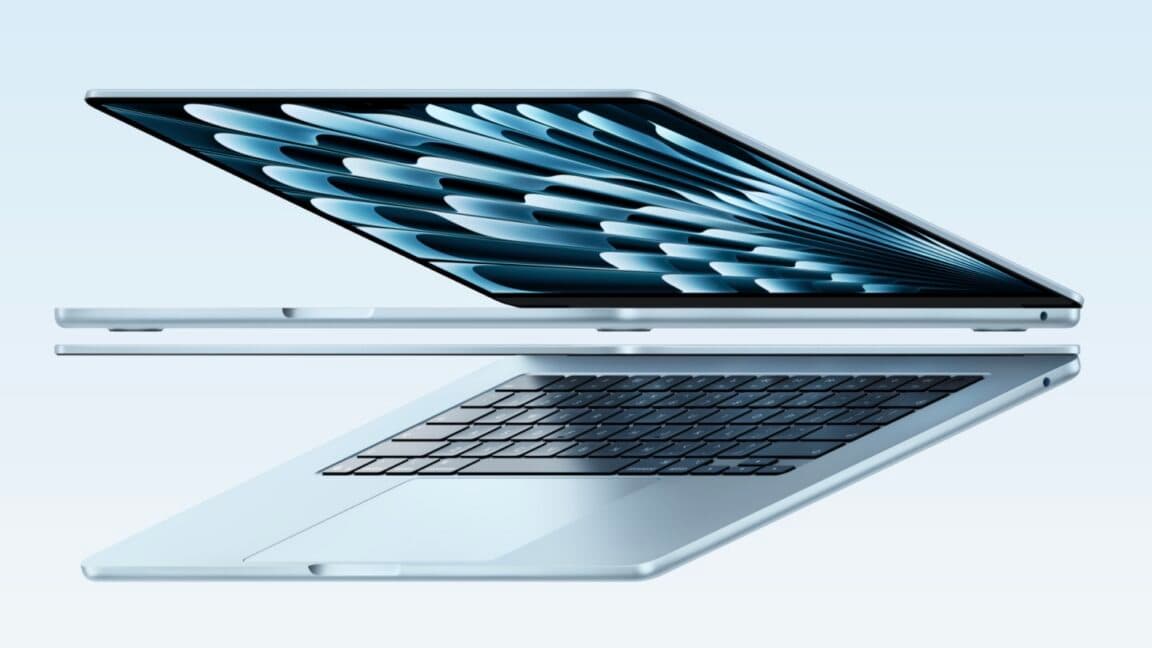
According to Ars Technica, Apple has updated both 13‑ and 15‑inch MacBook Air models with its new M5 chip and doubled the base storage from 256 GB to 512 GB. Apple claims the storage is now up to twice as fast as in the previous M4‑based Air.
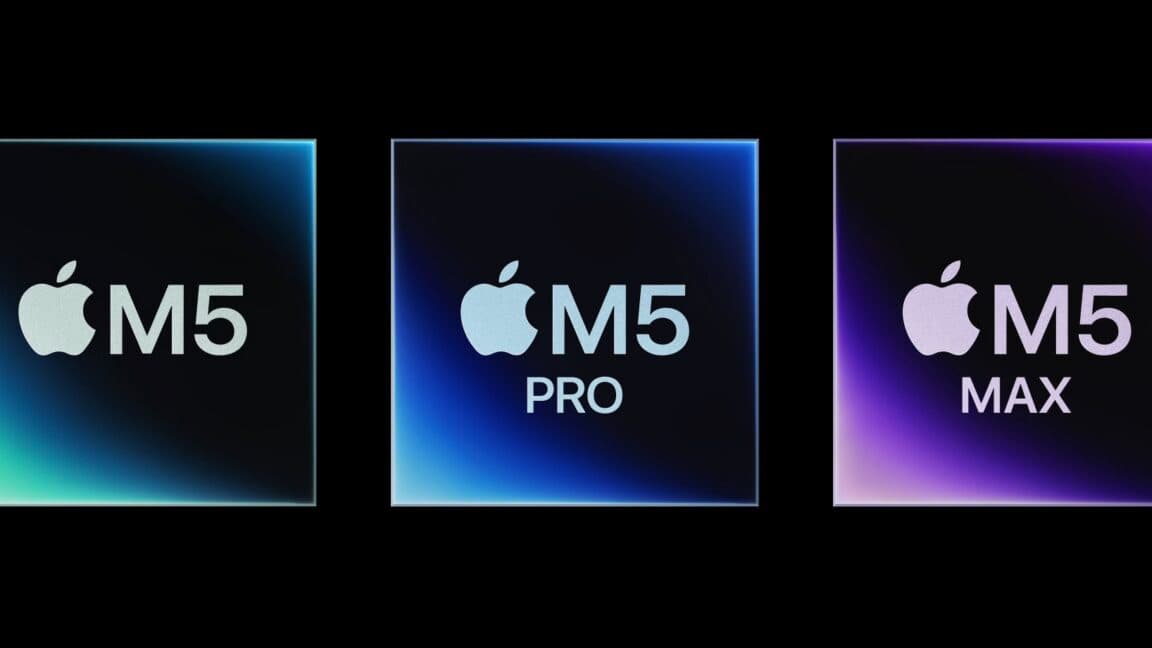
The 13‑inch M5 MacBook Air now starts at $1,099 in the US (up from $999), while the 15‑inch starts at $1,299 (up from $1,199). Two M5 configurations are offered: one with 8 GPU cores and another with all 10 GPU cores enabled. The higher‑tier M5 is also required if you want 24 GB or 32 GB of RAM, or 1–4 TB of storage. Internally, the chip uses four high‑performance cores—branded as “super cores”—and six efficiency cores, alongside a new Apple N1 Wi‑Fi/Bluetooth chip.
Pre‑orders begin 4 March, with availability from 11 March. The launch comes in a week packed with Apple hardware news, including new MacBook Pros, an updated iPad Air, refreshed Studio Displays, and a new iPhone 17e. Ars Technica notes that raising the Air’s price leaves extra space in the lineup for a rumored cheaper MacBook.
Why this matters
On the surface, this is the classic Apple trade: better default specs in exchange for a higher base price. But it subtly changes what “entry‑level Mac” means.
If you’re a typical buyer who would have upgraded the old 256 GB Air to 512 GB anyway, your effective price has actually dropped by $100. You now get that configuration by default. For you, this is a win: more storage, faster SSD, newer chip.
The problem is for people who just wanted the cheapest MacBook with the least storage because that was all they could afford—students, early‑stage founders, people in emerging markets. There is no way to buy the new Air for $999 anymore. Apple has quietly moved the price floor up.
The GPU and memory segmentation adds another strategic layer. Want more than 16 GB of RAM or more than 512 GB of storage? You’re forced into the fully enabled 10‑core‑GPU M5. That’s deliberate upsell design: Apple is turning performance features into structural price steps.
From Apple’s perspective, this makes perfect sense. Mac sales have been cyclical, the PC market is flat, and average selling price is one of the easiest levers to pull. By making the Air more “premium by default,” Apple boosts revenue per unit without dramatically changing the industrial design or adding costly new hardware.
The result: MacBook Air stops being synonymous with “the cheap Mac” and becomes the default mid‑tier Mac. That opens strategic room for a genuinely low‑cost MacBook underneath it.
The bigger picture
This move fits a broader pattern across Apple’s lineup: shift the mainstream product up, then backfill the lower tier with something more aggressively cost‑optimized.
We’ve seen variations of this before. The 2018 Intel MacBook Air jumped in price compared to the long‑lived 11‑ and 13‑inch Airs it replaced, while Apple kept old models around to catch price‑sensitive buyers. With iPhones, the company pushed the flagship line into four‑figure territory, then introduced models like the iPhone XR, 11, and later the “SE” and now 17e to catch the mid‑range.
The new Air looks like the Mac equivalent of that strategy. It gets:
- A current‑generation chip cadence (M5, alongside M5 Pro/Max in the Pros).
- Baseline specs that match what many Windows ultrabooks already treat as standard (512 GB SSDs are common in 2024–2026 premium laptops).
- Clear distance from whatever low‑cost MacBook is reportedly coming.
On the Windows side, the ultrabook segment has also drifted upward in price, especially as manufacturers chase thin‑and‑light designs with expensive materials, high‑refresh OLED displays, and AI‑oriented NPUs. Component inflation, supply chain volatility, and a push toward higher margins have nudged many flagship ultraportables into the €1,200–€1,600 range. Apple is essentially locking the Air into that same band—and betting that macOS, battery life, and resale value will justify the premium.
There’s also a longevity story here. In 2026, shipping a $1,000+ laptop with 256 GB of storage looks increasingly out of sync when smartphones are routinely sold with 256 GB by default. Doubling the SSD should meaningfully delay the “my disk is full” moment, especially as apps, photo libraries, and offline AI models grow.
Put together, this refresh is less about raw performance gains and more about repositioning the Air as the long‑term, no‑compromise default Mac for most people—with a cheaper, more constrained device likely arriving to handle the truly budget‑constrained end of the market.
The European angle
For European buyers, this price shift will be felt even more sharply than in the US. Once you add 20–23% VAT in many EU countries, the psychological gap between a “roughly €1,000” laptop and a “roughly €1,300–1,400” laptop is substantial—especially for students and freelancers.
On the other hand, Europeans also tend to keep laptops for longer, in part because of higher upfront prices and stronger consumer protections. From that perspective, 512 GB as a baseline is actually a pro‑consumer move: it extends the usable life of the machine, reduces the need to juggle external drives, and can delay the moment when users feel compelled to upgrade. Combined with EU right‑to‑repair momentum and long software support windows, the total cost of ownership can still look reasonable.
Regulatory pressure under the Digital Markets Act and Digital Services Act is pushing Apple to open up its platforms in Europe, especially around app distribution and default services. While that doesn’t directly affect Mac hardware pricing, it does change Apple’s long‑term revenue mix. If services margins in the EU are squeezed by regulation, hardware ASPs become even more important to keep the overall business on track.
There’s also the education angle. Across Germany, France, the Nordics and beyond, schools and universities increasingly run Apple hardware programmes—or at least allow students to bring Macs. A higher Air starting price could push institutions to negotiate harder, hold onto older fleets longer, or steer some users toward iPads with keyboards or Windows laptops. Expect refurbished and previous‑generation Airs to remain unusually popular in Europe as a result.
Looking ahead
The obvious next step is the device Apple hasn’t announced yet: the rumored low‑cost MacBook. By moving the Air up, Apple has created a clean lane for a machine that can hit a more aggressive price point without directly undercutting its hero laptop.
What might that cheaper MacBook look like? The safest bet is a design that reuses existing chassis tooling, ships with an older‑generation chip, and makes clear compromises on storage, display brightness, and ports. Think of it as the Mac equivalent of the iPhone SE: good enough, modern enough, but visibly not the flagship.
For buyers, the key questions over the next 6–12 months will be:
- How big is the real‑world performance jump from M4 to M5 in a fanless Air?
- Does the new SSD deliver noticeably better responsiveness under load?
- How aggressively does Apple price and spec the rumored budget MacBook?
- Do educational and B2B discount programmes in Europe soften the price hike?
There are also risks for Apple. Push the Air too far upmarket and you risk ceding the lower‑midrange laptop space to Windows OEMs—especially in price‑sensitive EU and emerging markets where Apple’s market share is still modest. And if the cheaper MacBook feels too compromised, it may simply drive buyers to refurbished M‑series Airs instead of the new budget line.
Still, from a strategic viewpoint, the direction of travel is clear: fewer overlapping models, clearer price bands, and a MacBook Air that’s firmly positioned as the “default good laptop,” not the bargain bin.
The bottom line
Apple’s M5 MacBook Air refresh is less about performance and more about pricing power. Doubling base storage to 512 GB fixes a long‑standing annoyance and improves longevity, but the $100 price hike means the Air has quietly graduated from “entry‑level Mac” to “mid‑range Mac.” If you care about long‑term value, this is arguably the best default Mac yet. If you just needed the cheapest possible MacBook, you’re being nudged to wait for the rumored budget MacBook—or to look hard at last year’s Air while it’s still around.