Headline & intro
Apple has shipped controversial operating systems before, but macOS 26 “Tahoe” is one of the rare cases where the company is quietly tolerating mass opt‑outs on brand‑new hardware. The fact that you can buy a shiny M4 MacBook Air in 2026 and immediately drive it back to macOS 15 Sequoia is more than a niche how‑to trick—it’s a signal about Apple’s confidence in its own vision and about how much leverage power users still have. In this piece, we’ll skip the step‑by‑step instructions and focus on what this downgrade window really says about Apple’s design bets, ecosystem strategy, and the changing power dynamic between Cupertino and its most loyal customers.
The news in brief
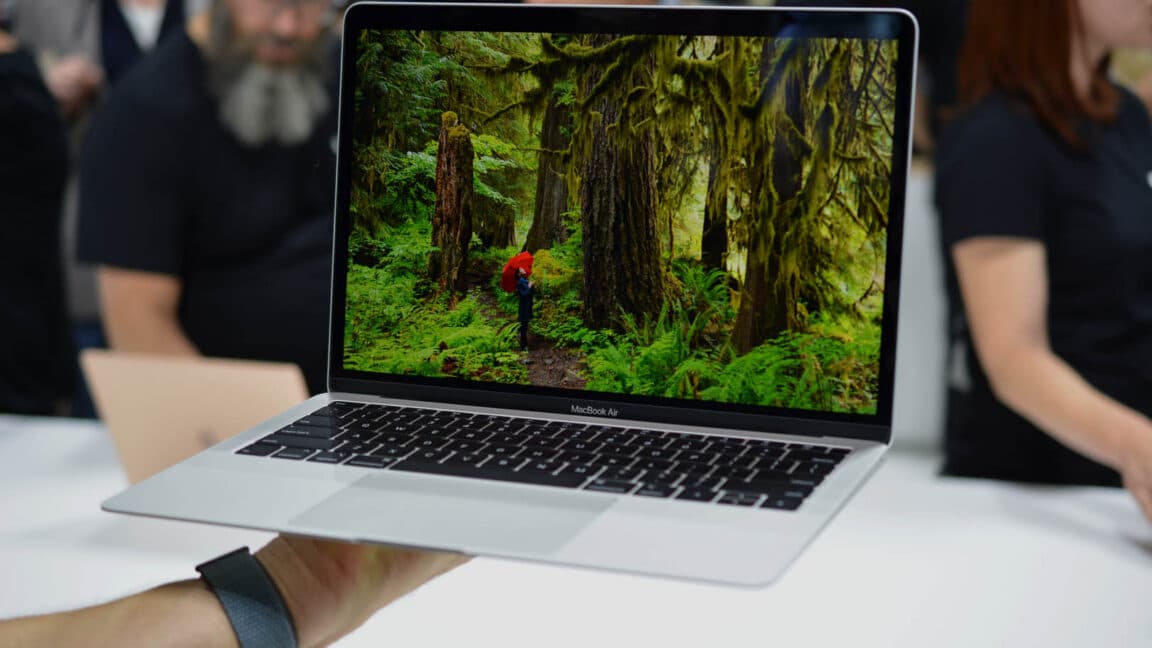
According to Ars Technica’s Andrew Cunningham, most current Apple Silicon Macs that can run macOS 26 Tahoe—including the new M4 MacBook Air—can still be downgraded to macOS 15 Sequoia. The lone exception so far is the newer M5 MacBook Pro, which reportedly requires Tahoe or later.
Cunningham details two main downgrade paths: creating a bootable USB installer for Sequoia and, for tougher cases or beta rollbacks, performing a DFU restore using an IPSW image via a second Mac. Both approaches completely wipe the internal storage and reinstall the older OS.
The article frames this against the backdrop of Apple’s new "Liquid Glass" design in Tahoe, which has drawn notable criticism from long‑time Mac users for UI quirks and Finder behavior, even as Apple’s data suggests iOS 26 adoption is roughly normal. Crucially, Sequoia is expected to receive security and Safari updates until around autumn 2027, making it a still‑supported refuge for Tahoe refuseniks.
Why this matters
Downgrades on PCs are nothing new; enterprises have clung to older Windows releases for decades. On the Mac, however, mass downgrades on new machines are unusual, and that’s the story.
First, it exposes a growing tension between Apple’s design ambitions and its most committed users. Liquid Glass is clearly a statement move—another swing at a unified visual language across iPhone, iPad, and Mac. But any time long‑time Mac users are combing Apple Support docs to escape a default OS on day one, it’s a sign that the aesthetic leap may have outpaced the comfort zone of the installed base.
Second, Apple is implicitly endorsing this resistance. The company is still shipping signed Sequoia installers, still providing IPSW images, and still updating Sequoia with security patches and Safari through 2027. For a company famous for aggressively steering users to the latest version, this is a notable degree of leniency. It lets Apple have it both ways: showcase Tahoe as the future while quietly allowing a sizeable minority to sit it out for a few years.
Third, there’s a cost. Developers now face yet another real‑world configuration matrix: Tahoe, Sequoia, and in some shops even Sonoma. Testing, support, and UI decisions all become messier. Apple’s official line is usually that fragmentation is bad; in practice, Apple itself is enabling a controlled level of fragmentation because it knows Tahoe is a polarising release.
The beneficiaries are power users and risk‑averse professionals—especially creatives and developers whose tools and workflows are finely tuned. The losers are smaller app developers, who must juggle more OS variants, and Apple’s design team, whose big bet is being treated by a chunk of the audience as something to be deferred rather than embraced.
The bigger picture
Seen in context, Tahoe is part of a long pattern: every decade or so, a platform owner tries to drag its user base to a new visual paradigm and misjudges how far it can push.
We saw this when Microsoft jumped from Windows 7 to the tile‑heavy Windows 8, triggering widespread downgrades and a hasty partial reversal in Windows 10. On Apple’s side, iOS 7’s flat redesign in 2013 met similar initial hostility before users (and Apple) gradually sanded down the sharp edges. macOS 11 Big Sur’s rounded, iOS‑like aesthetic did something similar for the Mac—but it didn’t provoke the same level of workflow disruption that Tahoe’s Liquid Glass seems to be causing, especially around window management and Finder behavior.
The other macro trend is support longevity. Apple has quietly adopted a three‑year security support window for macOS releases: year one for features plus security, years two and three for security and Safari. That model is much closer to Android’s emerging support promises and still far shorter than Windows’ decade‑long lifecycles. Tahoe fits this pattern, but the availability of Sequoia as a fully patched alternative until late 2027 effectively gives Mac users a built‑in “LTS track” for the first time that feels intentional rather than incidental.
And then there’s ecosystem convergence. Apple clearly wants the Mac, iPad, and iPhone to feel like variations of the same instrument—especially now that M‑series chips blur the hardware lines. Liquid Glass is the visual expression of that strategy. Heavy resistance from Mac users suggests there is still a hard limit to cross‑platform sameness. The Mac remains the place where users expect precision, not just prettiness; where a design that looks great in a keynote can be a liability when you’re juggling 20 windows across three monitors.
The European angle
For European users, this downgrade story intersects neatly with two ongoing debates: digital autonomy and regulatory pressure on platform gatekeepers.
The EU has already pushed Apple hard through the Digital Markets Act (DMA) and Digital Services Act (DSA), forcing it to open up app distribution and adjust some default behaviors. While the DMA doesn’t directly mandate OS downgrade rights, the underlying philosophy is similar: users—and businesses—shouldn’t be trapped in choices imposed from above.
European organisations, from Berlin startups to Parisian design studios and London fintechs, tend to adopt new OS versions more cautiously than Silicon Valley outfits. Many already have internal policies of “never on .0” or “stay one major release behind.” The ability to buy an M4 Mac today and standardise on Sequoia until 2027 fits cleanly into those risk‑management practices.
There’s also a cultural angle around attention and dark patterns. EU regulators are increasingly interested in how interface design nudges user behaviour. If Tahoe’s Liquid Glass aesthetic proves more distracting, more animated, or less accessible, you can imagine future guidance or case studies on how UI overhauls affect productivity and cognitive load. Downgrade paths become part of a broader conversation about user control over their environment.
Finally, European Mac users are among the most privacy‑conscious globally. Sticking with Sequoia for a few years gives IT teams more time to audit Tahoe’s new features—especially anything tied to online services or telemetry—before committing. In an environment shaped by GDPR and a growing body of national cybersecurity standards, “wait and see on Tahoe” is a rational policy, not just nostalgia.
Looking ahead
Over the next 12–18 months, Tahoe’s fate will depend less on first‑week reactions and more on whether Apple can iterate quickly enough to smooth out the rough edges that triggered downgrades in the first place.
Expect at least one major point release that quietly addresses the most complained‑about aspects of Liquid Glass: twitchy window resizing, Finder oddities, and perhaps performance or legibility issues on non‑Retina‑perfect setups. Apple is unlikely to ship a formal “classic mode,” but it can move the design substantially with tweaks to translucency, contrast, and motion, just as it did after the initial iOS 7 backlash.
The downgrade window itself won’t stay open forever. New hardware generations—M6 and beyond—will eventually ship that require Tahoe or macOS 27+. Once certain pro apps or new Xcode versions mandate Tahoe as a baseline, the economic cost of staying on Sequoia will rise sharply.
What to watch:
- Developer support: when flagship tools like Adobe CC suites or major DAWs start dropping Sequoia support, that’s the canary in the coal mine.
- Enterprise posture: if large European or US enterprises set formal policies to skip Tahoe entirely and wait for its successor, that’s a major signal.
- Apple messaging: keynote language and marketing around future macOS releases will reveal whether Apple sees Tahoe as a solid foundation or a learning moment.
For now, though, Sequoia remains a viable, supported alternative, and Apple is not rushing to close that escape hatch.
The bottom line
macOS Tahoe’s downgrade wave doesn’t just reflect grumpy power users; it highlights a real misalignment between Apple’s unified‑design ambitions and how people actually use Macs to earn a living. The fact that downgrading a brand‑new machine is both possible and officially supported gives users rare leverage: they can vote against a design direction without abandoning the platform. The open question is whether Apple treats this as background noise—or as a warning that even in 2026, radically redesigning the tools professionals live in eight hours a day still requires more humility. Would you trade the safety of Sequoia for Tahoe’s new look today, or wait until Apple proves it’s worth it?