Netflix walks away, Paramount doubles down: what the WBD fight really means for streaming
Netflix deciding that Warner Bros. Discovery is “too expensive” at the last minute sounds like routine M&A drama. It isn’t. It’s a signal that the age of growth-at-any-price in streaming is over, and that Hollywood is sliding into its late‑stage consolidation phase.
Behind the headlines about share price jumps and termination fees lies a bigger question: who will control the world’s most valuable entertainment IP in the next decade—and on what terms will the rest of the industry, including European players, be allowed to participate? This is where the Netflix–Paramount–WBD triangle really matters.
The news in brief
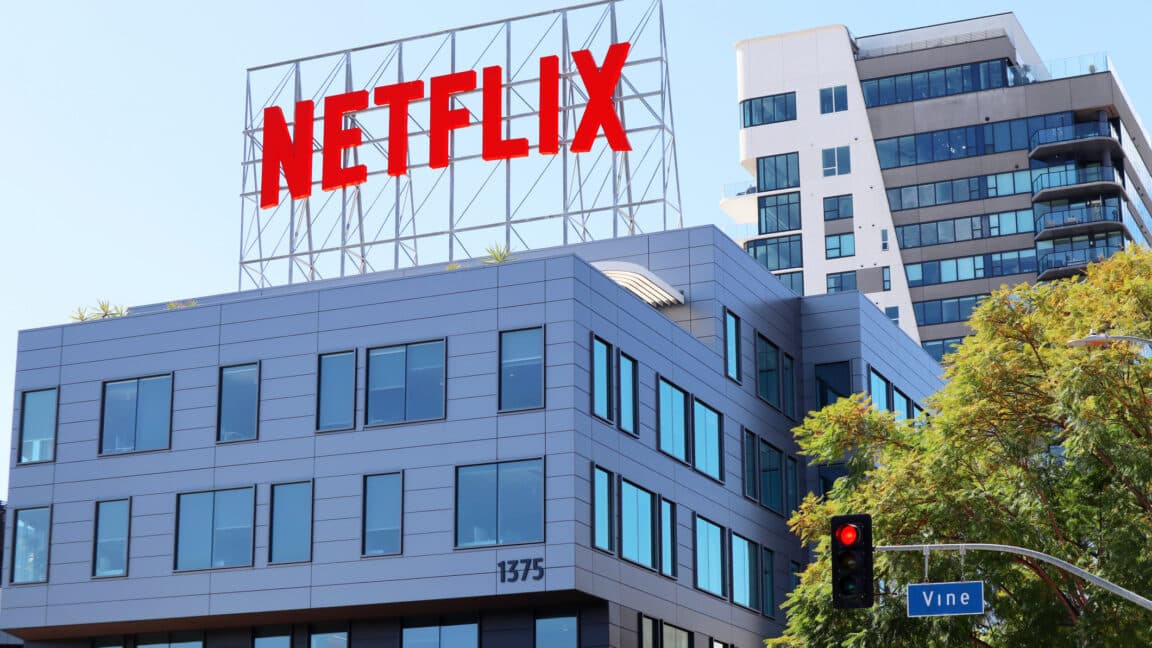
According to Ars Technica, Netflix has withdrawn from its planned acquisition of Warner Bros. Discovery’s (WBD’s) streaming and movie studio businesses. The deal, announced in early December, valued those WBD assets at about $72 billion in equity, or roughly $82.7 billion including debt. At that time, WBD’s total market capitalization was reported around $60 billion.
Meanwhile, Paramount Skydance moved from spectator to aggressor. After eyeing WBD for years, Paramount launched a hostile bid for the entire company and, on Tuesday, increased its offer by $1 per share. Crucially, it also promised a $7 billion regulatory break-up fee if antitrust authorities block the merger, plus a $0.25-per-share ticking fee for each quarter after 30 September that the deal remains unclosed. Paramount even agreed to pick up WBD’s $2.8 million fee for terminating the Netflix agreement.
On Thursday, WBD’s board judged the revised Paramount offer “superior” and gave Netflix four business days to match. Netflix declined the same day, saying that at the price required to compete with Paramount, the deal no longer made financial sense. Investors applauded: Netflix’s stock jumped more than 10% in after-hours trading, while Paramount’s rose around 5%.
Why this matters
This is not just about who owns Game of Thrones or DC Comics. It’s about the business model that will dominate streaming for the next decade.
Netflix is sending an unambiguous message to Wall Street: it would rather be a highly profitable, relatively asset-light platform than a classic vertically integrated media conglomerate loaded with legacy cable channels and news networks. Walking away reinforces Netflix’s recent rhetoric about being “disciplined” on M&A and focusing on returns rather than sheer scale.
In the short term, the winners are clear:
- Netflix shareholders get confirmation that management will not chase trophy assets at any price. The double‑digit share bounce shows how nervous investors were about a potentially messy integration and regulatory fight.
- Paramount Skydance gets a once‑in‑a‑generation shot at creating an IP powerhouse: Paramount + WBD + Skydance is suddenly a serious third pole next to Disney and Netflix.
The risks are equally clear:
- Paramount is taking on massive financial and regulatory exposure. A $7 billion break‑up fee is an aggressive way of saying, “We are all‑in,” but it also illustrates how fragile the deal could be under antitrust scrutiny.
- WBD employees and creative partners face yet another restructuring. The Warner–Discovery merger is still settling; now comes another integration, more cost-cutting, and inevitable brand rationalisation.
For consumers, the impact is ambiguous. A Netflix–WBD tie-up might have concentrated even more power in a single global platform, but it also could have simplified subscriptions. A Paramount–WBD combo instead risks creating another giant silo of exclusive content—pushing us further into a world where following a handful of shows means juggling four or five paid services.
The bigger picture
Looked at in isolation, this is just another mega‑deal. Viewed in context, it is the logical next chapter after Disney buying 21st Century Fox and Amazon swallowing MGM.
The first phase of the “streaming wars” was about land‑grab: launch services, burn cash, chase subscribers. The second phase—where we are now—is about consolidation and profitability. Studios that once proudly pulled their content from Netflix to build their own direct‑to‑consumer apps are discovering that running global tech platforms is brutally expensive. The solution: merge, bundle, or quietly license content back to the very platforms they tried to escape.
Netflix has mostly sat out this consolidation wave. Aside from occasional targeted acquisitions (like small game studios), it has built its business organically. Buying WBD’s streaming and studio assets would have been a radical break from that strategy—more akin to Disney’s Fox deal than anything Netflix has done before.
By stepping back, Netflix preserves its strategic flexibility:
- It keeps its balance sheet cleaner instead of absorbing cable networks, news channels, and complex studio operations.
- It remains a powerful customer for studios, including WBD/Paramount, who may still license older series and films when they need cash.
- It can focus on expanding into advertising, games, and live content without also having to digest a multi‑billion‑dollar merger.
Paramount Skydance, on the other hand, is betting that scale and IP concentration win in the long run. A combined library spanning DC, Middle-earth‑scale fantasy, premium HBO series, Paramount franchises, and Skydance’s action slate would be a licensing and merchandising goldmine—if they can manage the debt and avoid regulatory tripwires.
This deal also hints at a return to a more “cable‑like” future, where a few giant aggregators package vast content bundles, potentially resold via telcos and pay‑TV operators. The streaming revolution promised unbundling; the balance of power is drifting back the other way.
The European and regional angle
From a European perspective, the most immediate question is: what happens to Max, Paramount+ and their local joint ventures if this merger goes through?
WBD has been rolling out its Max service across Europe, often on top of existing deals with Sky, Canal+ and local operators. Paramount is present through Paramount+, Pluto TV and the SkyShowtime joint venture in many Central and Eastern European markets. Combining these footprints could lead to:
- Fewer, larger services—for example, a unified Paramount/Max brand or tighter bundles with local pay‑TV.
- Tougher licensing negotiations with European broadcasters who rely on US content to fill schedules.
Brussels will look closely. While this is not a DMA‑style “Big Tech” case, it squarely falls under the EU Merger Regulation and media‑plurality concerns. Regulators will be asking:
- Does a combined Paramount–WBD undermine competition for premium series and film rights in key EU markets?
- Could vertical integration (studios + streaming + channels) disadvantage independent European producers when it comes to distribution and windowing?
At the same time, the fact that Netflix walks away has an upside for European players. It leaves WBD’s (and now potentially Paramount’s) libraries less tightly locked inside a single global platform. That means ongoing opportunities for:
- European streamers like Canal+, RTL+, Joyn, Movistar Plus+, or SkyShowtime to pick up rights.
- Local telcos and pay‑TV operators to negotiate exclusive linear and on‑demand windows.
For viewers in smaller markets—from Slovenia and Croatia to the Baltics—the bigger risk is reduced investment in local originals as the new giant focuses on cost synergies. EU rules that require platforms to carry and finance European works will be an important counterweight.
Looking ahead
The headline drama is over for Netflix, but the real story is just beginning for Paramount, WBD and regulators.
Expect at least 12–18 months of scrutiny in the US and Europe. Authorities will dissect overlaps in pay‑TV channels, streaming services and studio distribution. Remedies could include divesting certain channel groups in specific markets, or long‑term commitments to license content on fair terms to third parties.
For Paramount Skydance, integration will be brutal. WBD is still digesting its own 2022 merger; layering another corporate culture and strategy on top risks paralysis just as the combined group needs to move fast on product rationalisation (Paramount+, Max, Pluto TV, SkyShowtime…) and pricing.
Netflix, meanwhile, is likely to double down on three fronts:
- Advertising – growing its ad‑supported tier globally to tap brand budgets that used to go to linear TV.
- Licensing arbitrage – opportunistically acquiring rights from indebted studios who now need cash more than exclusivity.
- New formats – from games to live events and sports‑like programming, where owning every underlying studio is less important than having a global, scalable platform.
The unanswered questions:
- Will Paramount–WBD actually be allowed to close, and on what conditions, in Europe and the US?
- How many brands will survive—will we still have Max, Paramount+, and various cable channels, or a slimmer, more unified portfolio?
- At what point do consumers push back against subscription fatigue and force a new wave of aggregation, perhaps led by telcos or device makers?
The bottom line
Netflix’s decision to walk away from WBD looks, for now, like the rational move: protect margins, avoid regulatory quicksand, and keep optionality as the industry consolidates around it. Paramount Skydance may win a spectacular content trove but also inherits the debt, politics and integration pain that come with it.
The real question for readers is whether they want a future of a few massive global bundles—or a more fragmented but pluralistic ecosystem where regional and niche players still have room to breathe.