Headline & intro
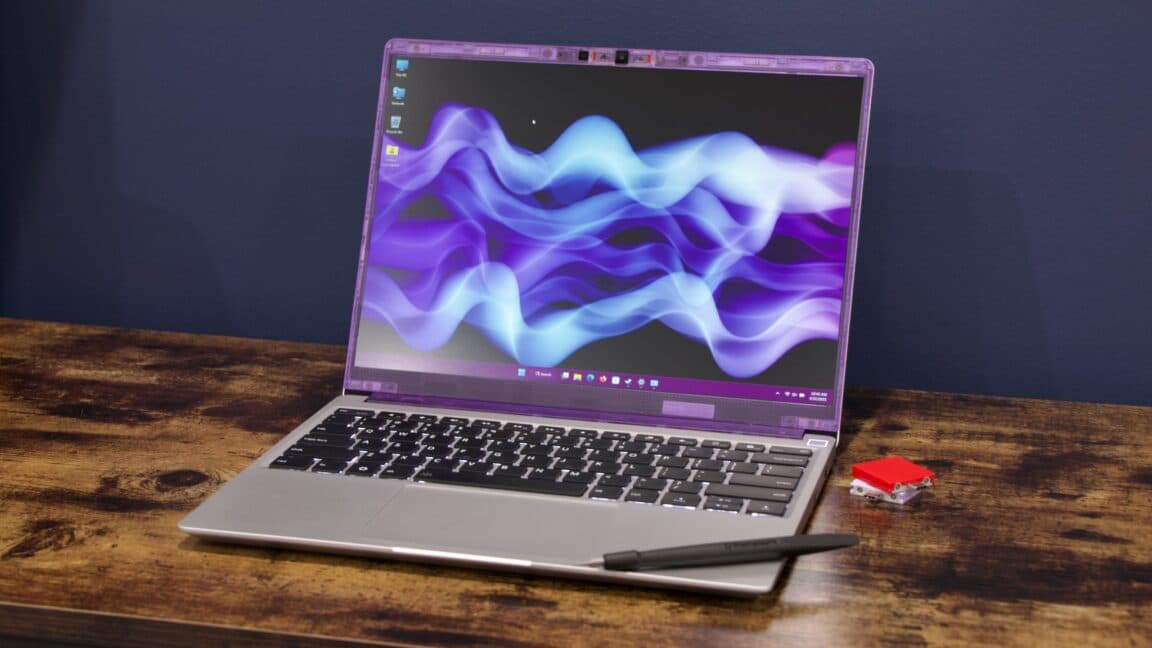
AI hype was supposed to make our PCs smarter, not more expensive. Yet in early 2026, memory prices are spiralling, and one of the most pro‑consumer PC brands is being forced into monthly price hikes just to stay afloat. Framework, the poster child for repairable and modular laptops and desktops, has become a canary in the AI memory mine. In this piece, we’re not just recapping the news: we’ll look at what Framework’s RAM crisis says about the power imbalance in hardware, the future of DIY PCs, and why enthusiasts may end up subsidising the AI data‑centre gold rush.
The news in brief
According to Ars Technica’s reporting, Framework has been raising prices on its systems almost every month since late 2025 as RAM and SSD costs climb sharply across the industry. The company stopped selling standalone RAM modules in November 2025 and is now passing through higher component costs on its laptops and the new Framework Desktop.
Ars cites Framework’s examples: an 8 GB DDR5 SODIMM that previously cost around $40 when bought with a Laptop 13 is now $130. A 96 GB kit (two 48 GB sticks) jumped from about $480 to $1,340. Desktop mainboards with soldered LPDDR5X are also more expensive: the base Framework Desktop with 32 GB has increased by $110 from launch, while a 128 GB configuration is now $2,599, roughly $600 more than before. CEO Nirav Patel told users that Framework, unlike Apple or major OEMs, lacks the purchasing leverage to shield customers from the AI‑driven spike in memory and storage pricing. As a partial workaround, the company is promoting its DIY Edition laptops without RAM, so buyers can source memory elsewhere, including second‑hand.
Why this matters
This isn’t just a sad story about one small manufacturer getting squeezed. Framework sits at the intersection of several trends: right‑to‑repair, modular computing, and the shrinking middle of the PC industry. If even Framework has to hike prices monthly, it’s a warning sign for every enthusiast‑focused brand that doesn’t buy chips by the millions.
The immediate winners are the usual suspects: hyperscalers and big OEMs. AI training and inference workloads are devouring DRAM and high‑end NAND, and the largest cloud and device players can negotiate multi‑year supply at preferential prices. They get predictable costs; everyone else rides the spot market roller coaster.
Losers fall into three groups:
- Smaller PC makers and hobbyist brands who can’t absorb volatility and must pass it on.
- DIY builders and repair advocates, whose whole value proposition is undermined when core components triple in price.
- Price‑sensitive users in education, emerging markets, and the open‑source community who rely on repairable, long‑lived hardware.
Framework’s situation also exposes a structural problem: business models built on transparency and user empowerment are fragile when the underlying component markets are opaque and dominated by a handful of memory giants. Framework can tell you exactly why prices are going up—but it can’t change the fact that its cost base is linked to the same boom‑and‑bust memory cycle that now answers to AI server margins, not to consumer PCs.
If this continues through 2026, expect a slowdown in upgrades and in adoption of modular systems. It’s hard to sell the economics of repair when adding RAM to an old laptop costs as much as a budget new machine on sale.
The bigger picture
The Framework story is one chapter in a broader 2026 narrative: AI is re‑pricing the entire silicon stack. We’ve already seen extreme shortages and price spikes for HBM (high‑bandwidth memory) feeding GPUs. DRAM and NAND were always going to follow once manufacturers started reallocating capacity to higher‑margin AI parts.
We’ve been here before, in a way. DRAM prices spiked in 2017–2018, and SSD prices shot up during the early pandemic supply crunch. But this time there’s a structural twist: AI workloads are less cyclical than consumer PC demand, and they concentrate bargaining power in a few hyperscale and device giants. That makes the traditional relief valve—waiting out a demand dip—much less reliable.
Compare Framework’s transparency to the silence from mainstream brands. Large OEMs are absolutely seeing the same supplier quotes, but they can cross‑subsidise, pre‑buy inventory, quietly cut margins, or shift users to configurations that are cheaper for them (for example, steering buyers toward fixed RAM options where the vendor controls the bill of materials more tightly). To the end user it looks like stability; under the hood, the same storm is raging.
We’re also watching a slow erosion of the DIY PC value proposition. Steam Deck and Raspberry Pi devices have already seen pressure from component costs, as Ars Technica notes. When boutique devices and modular systems all get more expensive, the upgrade‑your‑old‑machine narrative loses ground to “just finance a sealed box for three years.” That trend aligns uncomfortably well with big tech’s incentives.
Finally, the rise of soldered LPDDR memory complicates things further. Framework’s Desktop already uses soldered LPDDR5X for performance and power reasons. When those modules spike in price, there is no downgrade path—no “just buy cheaper sticks later.” The industry is drifting toward a reality where the most cost‑sensitive component is also the least replaceable.
The European / regional angle
For European users, Framework’s pain lands on top of two additional layers: currency and regulation. Component prices are typically set in dollars, while many European buyers earn in weaker local currencies. A RAM stick tripling in dollar terms can feel even worse by the time it passes through distributors, VAT, and logistics.
At the same time, Framework has been a poster child for the EU’s right‑to‑repair and sustainability ambitions. Brussels is pushing ecodesign rules and repairability scores; several member states are experimenting with repair vouchers. But the economics of repair rely on upgrades being cheaper than replacement. If a 32 GB upgrade now costs more than the discount laptop in the supermarket, policy goals collide with market reality.
European OEMs don’t offer much insulation here, either. The continent remains heavily dependent on Asian memory fabrication despite the EU Chips Act. Subsidising logic fabs in Europe doesn’t magically create local DRAM; most of that still comes from South Korea, the US and Taiwan. Until Europe has serious memory capacity—or long‑term strategic supply agreements—European‑centric brands will face the same volatility.
For smaller EU PC builders and system integrators, including those in Berlin, Paris, Ljubljana or Zagreb, Framework’s experience is a warning: niche, repair‑friendly products are hardest hit when the input bill explodes. Expect more builders to encourage customers to reuse existing RAM, rely on second‑hand modules, or downsize configurations.
Looking ahead
Memory markets are notoriously cyclical, but AI demand has changed the rhythm. The key question for 2026–2027 is whether DRAM and NAND manufacturers expand capacity fast enough to catch up without triggering another brutal price crash later.
In the near term, volatility is likely to remain. Framework has signalled that SSD prices will probably follow RAM upwards, especially at high capacities like 8 TB. Watch for more frequent configuration changes, temporary "availability" gaps for certain RAM sizes, and perhaps even regional differentiation in what options are offered.
On the consumer side, more people will:
- Buy bare‑bones systems and hunt for cheaper memory separately.
- Delay non‑essential upgrades, stretching existing 8–16 GB machines longer.
- Turn to used enterprise memory via secondary markets, with all the compatibility and reliability risks that entails.
For Framework itself, sustained pressure could push it to experiment with new models: partnerships with memory vendors, loyalty programmes that smooth upgrade pricing, or more aggressive promotion of lower‑RAM configurations combined with external storage and cloud services.
The unresolved questions are strategic: If AI infrastructure continues to soak up the lion’s share of memory production, does consumer hardware become a pure afterthought? And if so, can right‑to‑repair, open hardware, and DIY culture survive as more than a niche hobby for those willing to pay a premium?
The bottom line
Framework’s monthly RAM hikes are not a failure of its mission but a symptom of an industry where AI giants set the tempo and everyone else dances faster just to stay on the floor. Enthusiasts, small builders, and repair advocates are the ones absorbing the shock. The real test over the next two years is whether we let the AI boom lock us into sealed, disposable devices—or whether users, regulators, and smaller vendors can push back and keep upgradeable, transparent hardware economically viable.