Headline & intro
Apple hasn’t just killed a product; it has quietly ended an entire philosophy of professional computing. With the discontinuation of the Mac Pro tower, the company is walking away from the idea that a Mac can be a giant, modular workstation you grow into over a decade. That matters far beyond the relatively small group who ever bought one. In this piece, we’ll look at why Apple decided the classic pro desktop no longer deserves a place in its lineup, what this signals about the future of the Mac, and why many high‑end users are now being nudged toward Windows and Linux workstations.
The news in brief
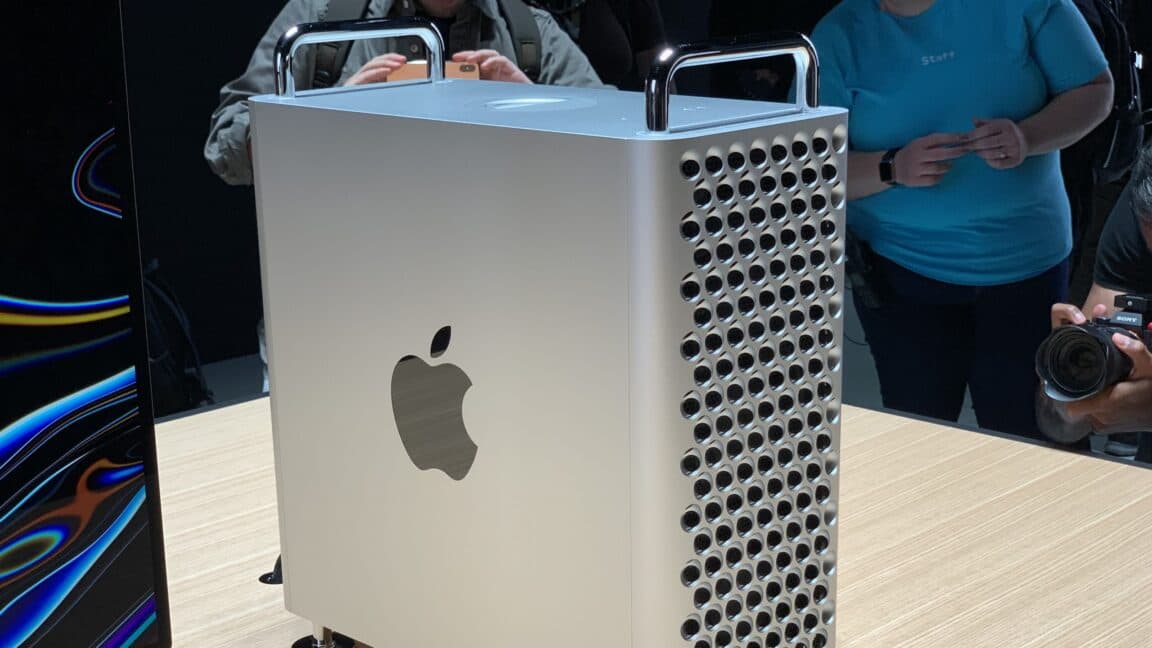
According to Ars Technica’s reporting, Apple has stopped selling the Mac Pro tower based on the M2 Ultra chip and has confirmed to other outlets that there is no replacement in the works. The current Intel‑era 2019 tower design, reused once more for the Apple Silicon Mac Pro in 2023, is effectively the last of the line.
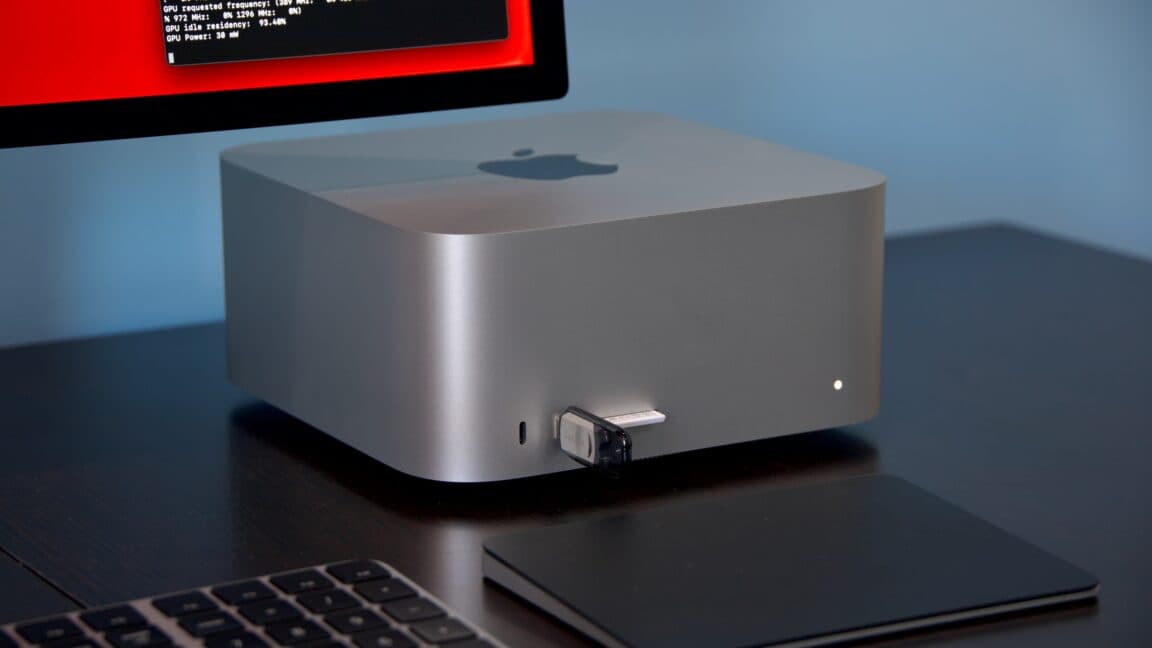
This ends a product family that began as the Power Mac tower in the late 1990s and became the Mac Pro with Apple’s move to Intel. After the controversial 2013 cylindrical model and a 2019 return to a more traditional, upgradeable tower, Apple brought the Mac Pro into the Apple Silicon era in mid‑2023 with M2 Ultra and PCIe slots but no user‑expandable RAM or GPUs. With the tower gone, Apple’s top desktops are now the Mac Studio with M3 Ultra or M4 Max and the M4 Pro Mac mini.
Why this matters
For most Mac buyers, nothing changes tomorrow. For a small but influential slice of users – post‑production houses, 3D and VFX studios, scientists with niche PCIe cards – this is a strategic shift.
Apple is effectively saying: if your workflow doesn’t fit into a sealed box with unified memory and integrated GPU, the Mac is no longer for you. That’s a stark message for professionals who for decades relied on towers they could fill with storage, capture cards, audio interfaces, RAID controllers and, crucially, huge amounts of RAM and GPU horsepower.
The winners are:
- Apple itself, which simplifies the Mac lineup and eliminates an expensive, low‑volume product that required bespoke engineering.
- The vast majority of pro‑leaning users whose needs are already met by a Mac Studio or high‑end MacBook Pro, and who benefit from Apple’s focus on those machines.
The losers:
- Power users whose workflows demand more than 192 GB of unified memory, multiple high‑end GPUs, or exotic PCIe hardware.
- Studios that invested in macOS‑centric pipelines around the promise that Apple would always sell a true workstation.
In the short term, some of these customers will pivot to Mac Studio plus Thunderbolt expansion and cloud compute. Others will bite the bullet and build Windows or Linux workstations around Nvidia GPUs and AMD or Intel CPUs. Either way, Apple is voluntarily ceding the top of the performance pyramid.
The bigger picture
The death of the Mac Pro tower isn’t an isolated decision; it’s the logical endpoint of trends we’ve watched for a decade.
First, Apple Silicon’s unified memory design is fundamentally at odds with the classic workstation model. RAM lives on the SoC package. You choose 64, 128 or 192 GB at purchase and that’s it. There is no path to 512 GB or 1 TB later – exactly the capacities serious 3D, big‑data and on‑prem AI workloads like to see.
Second, GPUs are on‑die and non‑replaceable. Apple has been explicit that its vision of pro performance is many tightly integrated efficiency‑oriented GPU cores, plus media and neural engines, rather than big, hot, swappable cards. That works brilliantly for video and many creative apps, but it leaves Apple completely outside the fast‑moving CUDA and AI accelerator ecosystem dominated by Nvidia.
Third, the broader PC industry has been moving away from upgradable desktops toward sealed devices and external expansion. Soldered RAM, proprietary SSDs and thin‑and‑light designs have trained an entire generation to think of computers as appliances, not kits.
Within that context, the Mac Pro tower had started to look anachronistic. The 2019 model arrived just as the Intel era was ending. The 2023 Apple Silicon version was, as Ars Technica notes, basically a Mac Studio with PCIe slots that couldn’t handle the things pros most want PCIe slots for: GPUs and huge memory pools.
Apple’s choice also echoes past decisions: the 27‑inch iMac and iMac Pro are gone; the remaining 24‑inch iMac is a family machine, not a studio workhorse. The Mac lineup is collapsing toward two poles: powerful laptops and compact desktops. Big, heavy, expandable machines no longer fit the brand – or the margins.
The European / regional angle
For European professionals, this is more than a nostalgic moment. It intersects directly with regulatory pressure and infrastructure realities.
EU rules such as GDPR and the coming AI Act push many organisations to keep sensitive data on‑premises rather than in US‑hosted clouds. The classic Mac Pro was one way to build serious, local compute inside a macOS‑centric workflow. With that option gone, European studios, agencies and research groups needing serious GPU and memory capacity are pushed toward on‑prem Windows or Linux clusters, typically built around Nvidia accelerators.
That has knock‑on effects. European systems integrators that once built Mac‑based suites will increasingly standardise on HP Z, Dell Precision or custom Linux workstations. Apple’s presence in high‑end broadcast, VFX and scientific computing labs in Berlin, London, Paris or Stockholm will slowly erode, even as MacBooks remain ubiquitous in creative departments.
At the same time, European software vendors that historically targeted Mac‑only pros – colour grading, music production, publishing – will face more pressure to maintain first‑class Windows and Linux support. In a market already sensitive to vendor lock‑in and long hardware lifecycles, Apple is signalling that ultra‑niche pro segments can no longer rely on Cupertino to build hardware around their needs.
Looking ahead
In the near term, expect three things.
First, Apple will continue to push the Mac Studio as the pro desktop and will likely widen the gap between Studio and mini. Future M‑series chips will probably grow in core count, media engines and AI accelerators, not modularity. If Apple introduces an "AI Mac" of any kind, it will be a sealed box with bigger neural engines, not a tower with PCIe accelerator slots.
Second, we’ll see a quiet but steady migration of the heaviest Mac‑based workflows off the platform. Large European and US studios have already been building mixed pipelines with Linux render farms and Mac client machines; the balance will tilt further toward Linux and Windows for anything GPU‑intensive or AI‑driven.
Third, there’s a real question whether Apple will ever revisit external GPUs on Apple Silicon. Thunderbolt‑attached GPUs could, in theory, restore some modularity without abandoning the SoC philosophy. But that would mean ceding part of the stack to AMD or Nvidia and complicating the clean, integrated story Apple prefers. Don’t count on it.
Watch for:
- Mac Studio updates that stretch unified memory and GPU core counts even further.
- Pro‑focused software vendors broadening Linux and Windows support.
- A potential uptick in Hackintosh‑style experimentation as some users try to cling to macOS while moving to commodity PC hardware – even though Apple will never support it.
The bottom line
By discontinuing the Mac Pro tower, Apple is confirming what its silicon roadmap has implied for years: the future of the Mac is powerful appliances, not modular workhorses. For 90 percent of pro‑ish users, that’s fine – the Mac Studio is an astonishingly capable machine. For the remaining 10 percent at the extreme high end, this is a forced exit toward Windows and Linux. The real question is whether Apple is comfortable letting that part of the market go – and whether pro users are comfortable letting Apple go with it.