Repeated assurances about “quality” usually mean something has already gone wrong. That’s where Microsoft finds itself with Windows 11: an operating system that dominates the PC market, yet feels increasingly hostile to the people who care most about it.
The company is now promising a wave of fixes, a calmer interface, and a more restrained Copilot. On paper, it sounds like exactly what frustrated users have been asking for. But does this mark a real change in strategy, or just a tactical retreat to make the AI and ad push more palatable before Windows 10 finally dies?
This is less a story about bugs and more a story about trust—and about how far Microsoft can stretch Windows before users push back.
The news in brief
According to Ars Technica, Microsoft’s Windows VP Pavan Davuluri published a blog post on March 20, 2026 outlining new steps to improve Windows 11 “quality.” These changes will first roll out to Windows Insider testers between now and the end of April.
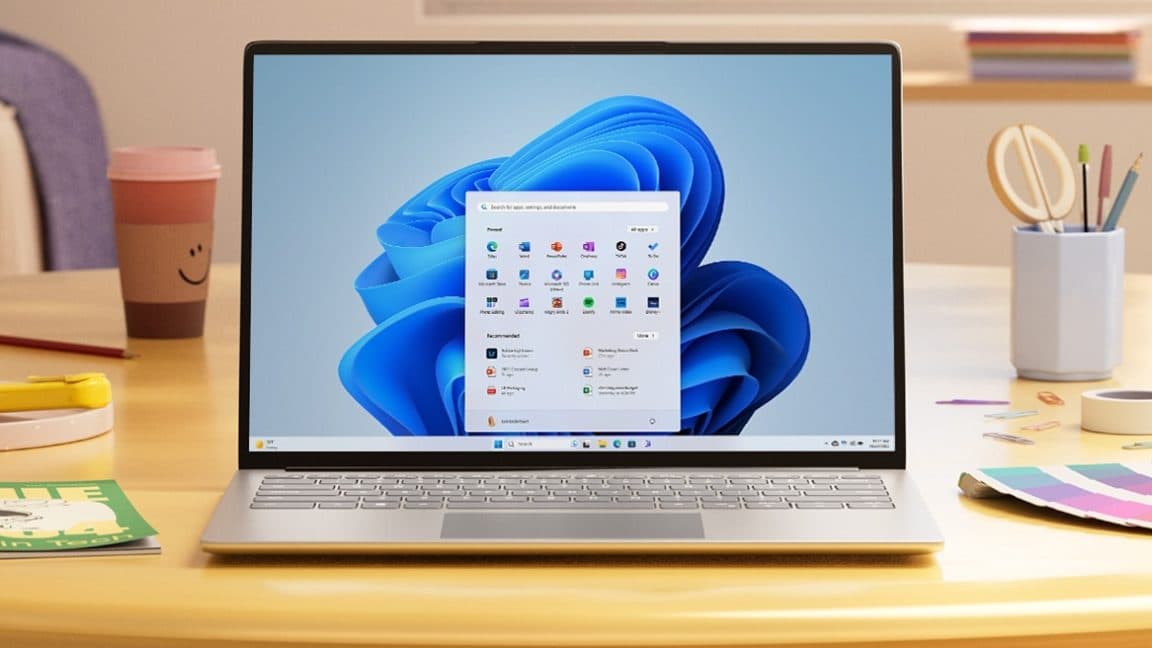
Key items include restoring the ability to move the taskbar to the sides or top of the screen, fixing a long‑standing regression from the original Windows 11 release. Microsoft also plans to scale back where Copilot appears, initially by removing or reducing its entry points in built‑in apps like Snipping Tool, Photos, Widgets, and Notepad.
Other promised tweaks: less disruptive Windows Update flows with more chances to defer restarts, a faster and more reliable File Explorer, quieter defaults for the Widgets panel, clearer descriptions of Insider channels, and better feedback tools. On a longer horizon, Microsoft lists goals like improving Bluetooth/USB reliability, speeding up search, cutting memory usage, and making core UI elements such as Start, taskbar, and File Explorer more responsive.
Ars Technica notes that this comes as Windows 10 remains widely used despite its October 2025 end‑of‑support date; Microsoft added roughly a year of extra “free-ish” security updates, and we’re now about halfway through that grace period.
Why this matters
On the surface, this is a grab bag of quality‑of‑life fixes. Underneath, it’s an admission that Microsoft has been burning through goodwill.
The winners are power users, IT admins, and anyone who just wants Windows to stay out of the way. Restoring taskbar flexibility, toning down Widgets, and reining in Copilot in basic utilities are exactly the sort of paper‑cut fixes enthusiasts have begged for since 2021. Enterprises gain, too: a less intrusive update experience and a more predictable File Explorer directly reduce support tickets and user frustration.
The losers, at least in the short term, are the teams inside Microsoft whose KPIs depend on “engagement” with Copilot, Widgets, Microsoft 365 upsell banners, and other surface‑level nudges. Every Copilot button removed from Notepad is one fewer funnel into Microsoft’s AI ecosystem.
More fundamentally, this is about the business model of Windows. Over the last decade, Windows has shifted from a paid product to a long‑lived engagement platform designed to push services, cloud storage, subscriptions, Edge, Bing, and now AI. That model works only if users tolerate the friction. The intensity of the backlash suggests Microsoft has crossed an invisible line, especially among enthusiasts and administrators who shape purchasing decisions.
Timing matters, too. With the extended security updates for Windows 10 ending around October 2026, millions of consumers and businesses will be forced to decide: modernize to Windows 11, switch platforms, or run unsupported. Microsoft cannot afford a perception that the “new” Windows is heavier, noisier, and less respectful than the one people are clinging to.
This quality push is not just a kindness; it’s risk management.
The bigger picture
We’ve been here before. After Windows Vista’s reputation for bloat and instability, Windows 7 sold itself explicitly as a cleaner, faster, fixed version. Windows 8’s touch‑first experiment prompted the Windows 10 era of “we listened” and the promise of Windows as a continuously improving service.
The Windows 11 story is different. The code base is more mature; outright catastrophic bugs are rarer. Instead, the discontent is about direction: mandatory Microsoft accounts for home users, tighter hardware requirements that strand older PCs, pervasive telemetry, upsell banners in the Start menu and File Explorer, and an aggressive AI overlay on top of mundane workflows.
Microsoft’s Copilot bet is strategic and rational. AI is the next revenue engine after cloud. Windows is the default gateway to hundreds of millions of users. Of course the company wants Copilot in Notepad, in the keyboard, in Settings, everywhere.
But users have finite patience for constant prompts and experiments. We’re already seeing “AI fatigue” across the industry: Google dialing back some Gemini ambitions in consumer products, Meta constantly relaunching assistant features, and Apple taking a much slower, on‑device‑first approach to generative AI in macOS and iOS.
Compared to macOS, which still largely feels like a calm productivity environment, and ChromeOS, which keeps to a minimalist web‑first model, Windows 11 increasingly resembles a storefront: tiles, carousels, widgets, and contextual nudges all competing for attention. The new quality commitments are a sign that Microsoft knows this perception is dangerous.
The risk isn’t just migration to Macs or Chromebooks—desktop Linux still isn’t mainstream for most—but erosion of influence. When the loudest voices in tech forums, YouTube, and corporate IT start recommending users stay on Windows 10 as long as possible, Microsoft has a legitimacy problem.
The European angle
For European users and organisations, this is not only about comfort; it’s about regulation and control.
The EU’s Digital Markets Act (DMA) and Digital Services Act (DSA) are already reshaping platform behaviour. Windows may not be a classic “gatekeeper” like a mobile app store, but bundling and default choices—Edge, Bing, OneDrive, and soon deep Copilot hooks—sit squarely in the DMA’s crosshairs. If Copilot becomes a de facto default assistant throughout the OS, regulators may ask hard questions about competition and user choice.
Then there’s data protection. Copilot features that send snippets of your screen or documents to the cloud bump directly into GDPR expectations and emerging obligations under the EU AI Act for general‑purpose AI systems. Enterprise and public‑sector customers in Germany, France, and the Nordics are already wary of opaque telemetry in Windows 10/11; an OS that feels like a constantly‑phoning‑home AI terminal will only sharpen that concern.
European PC lifecycles are also longer than in the US. SMEs and public institutions in particular keep hardware for 6–8 years or more. Tighter Windows 11 hardware requirements, combined with an experience many perceive as worse than Windows 10, create an economic and political headache: either extend Windows 10 yet again, fast‑track alternative OS pilots (often Linux), or swallow the cost of accelerated upgrades.
For European startups and cloud providers, there is a slim opportunity: if Microsoft stumbles with an AI‑heavy Windows, demand could grow for privacy‑centric, lighter client environments paired with EU‑hosted AI services. It’s still a niche, but the dissatisfaction is real.
Looking ahead
The most likely scenario is incrementalism. The specific changes outlined by Microsoft will probably land in stable Windows 11 builds over the next two or three cumulative updates. Taskbar positioning will quietly return, Widgets will be a bit less noisy, Copilot will feel slightly less in‑your‑face in basic apps.
But don’t expect a U‑turn on the strategic pillars. Copilot is too central to Microsoft’s story for investors and OEM partners. What will change is how it shows up. Expect more context‑sensitive, workflow‑specific integrations in professional apps (Office, development tools, design software) and fewer random buttons in simple utilities that previously “just worked.”
Regulation will also act as a brake. As the EU AI Act phases in from 2025 onward, Microsoft will need clearer safeguards around what exactly Copilot does on Windows devices in Europe, how data is processed, and what opt‑outs exist. Enterprise‑grade controls will trickle down into consumer settings, if only to keep the regulatory story consistent.
The big open questions:
- Will Microsoft relax the Microsoft Account requirement for some consumer scenarios, especially in privacy‑sensitive regions?
- Will it ever offer a truly ad‑light, telemetry‑reduced SKU of Windows for a premium price or under specific enterprise agreements?
- How much of Copilot can realistically move on‑device, reducing compliance and latency concerns, given the push for NPUs in new “AI PCs”?
If Microsoft answers those with concrete action rather than more blog posts, the Windows 11 story can still be salvaged. If not, we may see a repeat of the Windows 8 pattern: a cycle defined less by its features and more by the determination with which users tried to avoid it.
The bottom line
Microsoft’s new “commitment to quality” for Windows 11 is welcome, but it treats symptoms more than causes. The real tension is between an operating system people want to disappear into the background and a business model that demands constant surface area for AI and services.
If Microsoft can turn Copilot from a pushy pop‑up into a genuinely useful, mostly invisible assistant, Windows 11 might finally earn affection instead of mere tolerance. The question is whether the company is willing to sacrifice short‑term engagement metrics to rebuild long‑term trust.