- HEADLINE + INTRO
Motorola has decided that foldables are no longer an experiment but the core of its premium strategy. The 2026 Razr lineup brings four folding devices, bigger batteries, heavier AI integration—and noticeably heavier price tags. For anyone eyeing a foldable as their next phone, this launch is a reality check: the technology is maturing, but it definitely isn’t getting cheaper. In this piece, we’ll look beyond the spec sheet and ask whether Motorola’s new Razrs are pushing the market forward or just testing how much more they can charge for increasingly incremental upgrades.
- THE NEWS IN BRIEF
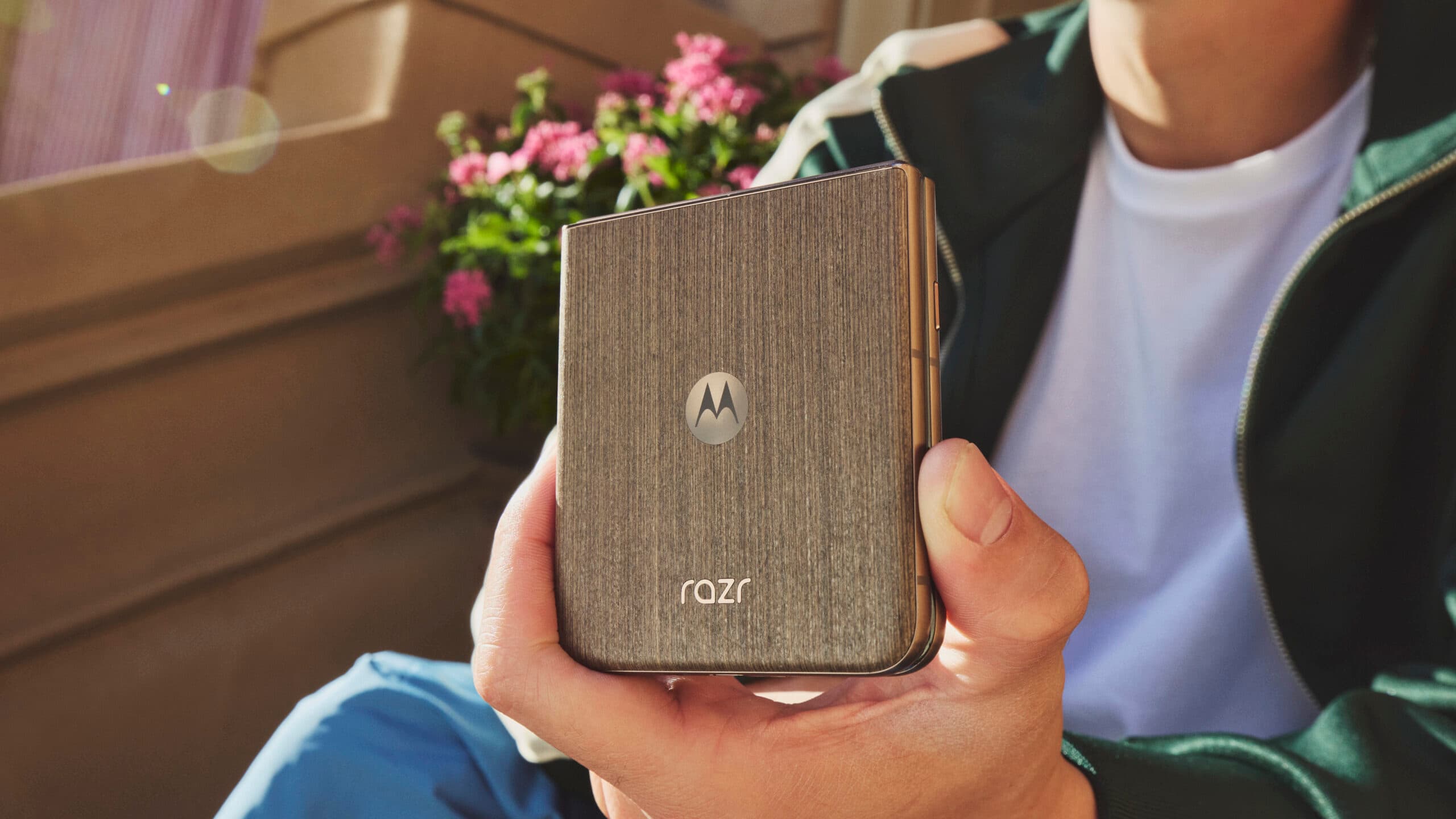
According to Ars Technica, Motorola will launch four foldables on 21 May 2026: the Razr Fold tablet-style device and three clamshells—Razr Ultra 2026, Razr+ 2026, and the base Razr 2026.
Prices in the US rise across the board: $800 for the Razr, $1,100 for the Razr+, $1,500 for the Razr Ultra, and $1,900 for the Razr Fold. All ship with Android 16, silicon‑carbon batteries (up to 6,000 mAh on the Fold, 5,000 mAh on the Ultra), and faster wired charging. Motorola promises five years of security patches and three Android version upgrades.
On the hardware side, Motorola uses a mix of MediaTek and Qualcomm chips, up to 16 GB of RAM and 512 GB of storage, and high‑refresh OLED panels inside and out. Cameras remain 50 MP across the board, with the Fold adding a 3x telephoto. A $99 Moto Stylus will be sold separately for the Fold.
The phones integrate “Moto AI”, a bundle of features powered by Google’s Gemini, Microsoft Copilot, and Perplexity for tasks like summaries, meeting notes, and contextual suggestions.
- WHY THIS MATTERS
This lineup is Motorola saying out loud: “We’re a premium brand again.” The problem is that it’s using price long before it fully backs that claim with software support and ecosystem strength.
The immediate winners are early adopters who specifically want a Motorola foldable. The Razr Fold finally gives them a book‑style alternative to Samsung and Google, with competitive displays, a big 6,000 mAh battery, stylus support, and plenty of RAM/storage. The Razr Ultra and Razr+ remain attractive clamshells, now with larger external displays, tougher glass, and more capable batteries.
But there are clear trade‑offs:
- Price creep: A $200 jump for the Ultra and $100 for the others moves these devices squarely into “luxury gadget” territory. For many buyers, a foldable now costs as much as a solid laptop.
- Weak update policy: Three OS upgrades and five years of security patches lag badly behind Samsung and Google’s seven‑year promise. For a $1,500–1,900 phone, that’s difficult to justify.
- AI fragmentation: Offloading key experiences to three different AI platforms sounds powerful, but it also multiplies privacy, governance, and UX complexity.
The competitive landscape tightens as well. At $1,500, the Razr Ultra competes directly with refined slab flagships that offer better cameras and longer support. At $1,900, the Razr Fold is priced like the big players’ flagships without offering their ecosystem lock‑in, cloud bundles, or resale value.
If Motorola doesn’t use the next few years to dramatically improve software and long‑term support, it risks becoming the “interesting but disposable” foldable brand—great to test the form factor, less great to actually live with for five years.
- THE BIGGER PICTURE
The 2026 Razrs fit three big industry trends: foldables maturing, batteries quietly improving, and AI becoming the new bloatware—only this time it’s cloud‑connected.
Foldables are normalising. The Razr Fold isn’t trying to reinvent hardware. It openly mirrors the template set by devices like Google’s Pixel Pro Fold and Samsung’s Z Fold line: similar sizes, similar camera arrays, similar high‑refresh OLEDs. The innovation focus has shifted from wild form factors to everyday usability—thinner, lighter, brighter, and slightly less fragile.
Batteries are the stealth upgrade. Silicon‑carbon cells let Motorola push capacities to 5,000–6,000 mAh without adding weight. That is exactly what foldables needed: endurance that no longer feels like a compromise. Expect this chemistry to spread quickly into non‑folding flagships over the next generation or two.
AI is the new differentiation—and the new risk. Motorola’s multi‑provider strategy (Gemini + Copilot + Perplexity) is unusual. Google and Samsung are building vertically integrated stacks; Motorola is effectively saying, “We’ll integrate whoever has the best model for a given task.” That’s agile, but it also means:
- more data flows to more companies,
- more overlapping assistants on one device,
- and more points of failure if one provider changes terms or APIs.
Historically, Android OEMs tried to stand out with skins and pre‑installed apps. Many of those became unmaintained clutter. AI features risk repeating that story—only this time your personal data, documents, and habits move through multiple external models.
In short, Motorola is catching up on hardware, experimenting on AI, and still under‑delivering on long‑term support. It’s an ambitious but incomplete answer to Samsung and Google’s increasingly ecosystem‑driven dominance.
- THE EUROPEAN / REGIONAL ANGLE
For European consumers, the question isn’t just “Is this hardware good?” but also “Is this ecosystem trustworthy under EU rules?”
Moto AI’s trio of providers will have to navigate GDPR, the Digital Services Act (DSA), and the emerging EU AI Act. Each of those frameworks scrutinises how data is collected, where it is processed, and how transparent automated decision‑making is. Sending screen contents, notifications, and personal documents to three different AI backends is exactly the kind of practice regulators are starting to probe.
European markets also feel price hikes more sharply. Add VAT and local pricing, and a €1,900‑class Razr Fold could easily push past €2,000 in some countries. In markets like Germany or France, that lands it directly against Samsung’s and Google’s top foldables, plus increasingly capable Chinese competitors (Honor, Oppo, OnePlus) where they are officially present.
Motorola’s historically patchy availability is another factor. In parts of Europe, Razr models are sold only online or through a handful of operators, limiting exposure compared with Samsung’s wall‑to‑wall retail presence. Without aggressive trade‑in and financing offers, these prices will confine Razrs to enthusiasts and early adopters rather than the mainstream.
On the flip side, Europe’s stronger consumer protection and warranty norms are a boon for a fragile category like foldables. Two‑year legal warranties and clear repair obligations make experimenting with new form factors less risky—if, and only if, the brand actually sells and supports the devices locally.
- LOOKING AHEAD
Expect the Razr Fold to arrive in select European markets a few months after the US launch, likely in limited colours and storage options at first. The Razr+ and base Razr have a better shot at broader distribution; clamshell foldables align nicely with European operators’ tendency to push stylish devices on 24‑month contracts.
Key things to watch:
- Update policy pressure: If more Android vendors follow Samsung and Google on seven‑year support, three OS upgrades will start to look unacceptable at the €1,500–2,000 level. Motorola may be forced to extend its commitment mid‑cycle.
- AI compliance stories: Expect at least one investigation or public question from EU regulators about how Moto AI shares data between Gemini, Copilot, and Perplexity, and where that data is stored.
- Discount cycles: Historically, Motorola hardware gets discounted aggressively after six to nine months. If that happens again, the Razr Fold and Razr Ultra could become genuinely compelling buys in 2027 at lower street prices.
- Mid‑range foldables: Once silicon‑carbon batteries and more robust hinges become standard, the next battleground will be €700–1,000 foldables. If Motorola can push a future Razr into that band with decent support, it could finally turn foldables into a normal upgrade path rather than a luxury.
The risk is clear: if Motorola treats these 2026 Razrs as short‑lived experiments instead of long‑term platforms, buyers will notice—and opt for brands that promise to walk with them for most of a decade, not just three Android versions.
- THE BOTTOM LINE
Motorola’s 2026 Razr family shows that foldables are growing up on the hardware side—bigger batteries, brighter screens, more polished designs—but the pricing and software story lag behind. Asking up to $1,900 for devices with only three OS upgrades and a fragmented AI stack is a bold bet in a market where Samsung and Google lean on ecosystems and long‑term support. If you’re considering a Razr, make sure you’re paying for the form factor you love, not for AI experiments and a shorter software future.