Headline & intro
Hardware subscriptions were supposed to be the next big thing: predictable revenue for companies, low entry cost for gamers. NZXT’s Flex rental PC program shows how quickly that dream can turn into a legal and reputational mess. A $3.45 million settlement is not just a line item in NZXT’s budget; it’s a warning to every vendor flirting with "PCs as a service" for consumers. In this piece, we’ll unpack what happened, why the settlement terms are so unusual, and what this means for subscription hardware models, influencer marketing – and, ultimately, for people who just want a decent gaming rig without signing up for financial drama.
The news in brief
According to Ars Technica, PC builder NZXT and its billing/debt partner Fragile have agreed to a proposed $3.45 million settlement over the controversial NZXT Flex rental PC program, avoiding a full trial in the US District Court for the Northern District of California.
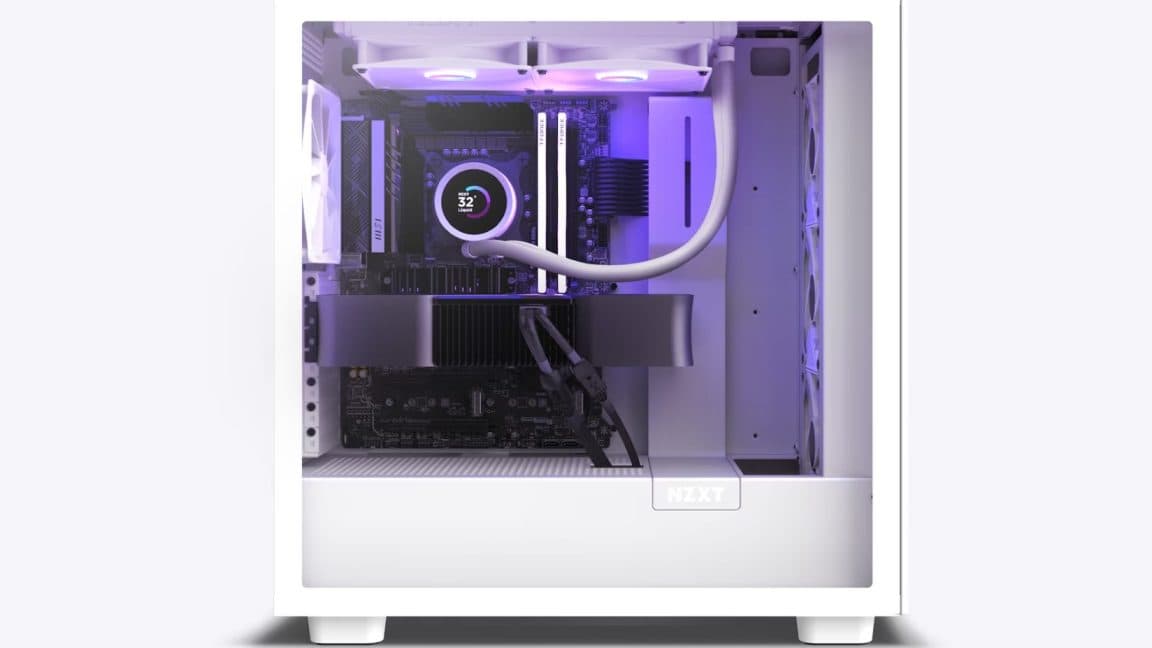
Flex, launched in August 2024, let customers rent NZXT gaming desktops for monthly fees reportedly ranging from about $59 to $279, with the promise of "new or like new" systems and optional upgrades every two years. A 2025 class-action complaint accused NZXT and Fragile of misleading consumers about hardware specs and suggesting – via marketing and influencers – that Flex functioned like a rent-to-own scheme, despite NZXT later stating the opposite.
The settlement covers 19,322 customers. Some will be allowed to keep their rental PCs outright, others receive debt forgiveness (up to $5,000 each from a roughly $923,000 pool) and access to a $1.45 million cash fund. NZXT also agreed to tighten its advertising, improve spec transparency, and maintain new business practices until the end of 2027, pending judicial approval.
Why this matters
This case is not primarily about $3.45 million – NZXT is not a trillion‑dollar giant, but it’s also not going to collapse over this. The real cost lies in trust and in the future of hardware subscription models.
For consumers, the short‑term winners are obvious: some renters will walk away owning their PCs, others will see substantial debt forgiven. But the deeper win is precedent. A mainstream PC brand is being pushed to treat subscription hardware with the same level of clarity and disclosure that regulators expect from telecom contracts or consumer loans.
For NZXT, this is damage control. The company effectively conceded that its messaging – especially via influencers – created confusion about ownership, value, and specs. Even if NZXT never intended a classic bait‑and‑switch, the settlement acknowledges that "move fast and let marketing speak loosely" doesn’t fly when you’re effectively extending long‑term obligations to young, often credit‑fragile gamers.
The losers here are twofold. First, any company hoping to quietly test "hardware-as-a-service" for consumers with fuzzy terms now has a public case study of what can go wrong. Second, influencer marketing as a legal grey zone takes a hit: creators can’t just parrot talking points implying ownership and then walk away when reality looks more like a rental plus aggressive collections.
This settlement also signals that if your rental program feels like a financing scheme, courts and regulators will probably treat it like one.
The bigger picture
NZXT’s Flex saga fits into a broader industry trend: turning one‑off hardware purchases into recurring revenue. We’ve seen:
- Smartphone leasing and "forever upgrade" plans from carriers and OEMs
- Console subscription bundles (Xbox All Access, for example)
- Apple and others experimenting with device subscription concepts
The pitch is always the same: lower upfront cost, regular upgrades, less hassle. But every time these models collide with unclear ownership, hidden obligations, or aggressive recovery of devices, backlash follows.
Historically, rental and leasing models have worked best where the rules are brutally clear: car leasing, business equipment, enterprise hardware. Contracts are long, boring, and leave little doubt that you do not own the asset. NZXT tried to transplant that logic into consumer gaming PCs, then layered on influencer‑style, hype‑driven marketing, which thrives on simplification. That combination was almost guaranteed to generate misunderstandings.
What’s interesting is that Gamers Nexus – an influencer channel themselves – ended up as one of the key watchdogs, first by investigating Flex’s specs and marketing, later by spotting the settlement. This underscores a shift: the same creator ecosystem that helps sell borderline offers is also becoming an informal consumer protection layer when traditional regulators move slowly.
Competitively, this may nudge other PC vendors away from pure rental schemes and back toward clearer financing, traditional credit, or transparent buy‑now‑pay‑later models. Subscription hardware isn’t dead, but the bar for disclosure just rose. If companies ignore that, they’re inviting copy‑paste lawsuits.
The European / regional angle
This case is US‑based, but the implications travel. NZXT is an international brand, and the practices at issue – ambiguous ownership, influencer over‑promising, and opaque specifications – bump directly into EU rules.
Under the Unfair Commercial Practices Directive and the newer "Omnibus" consumer law package, European regulators already take a dim view of misleading information about price, total cost, or the main characteristics of a product – including digital features and performance. A Flex‑style program in the EU that hints at rent‑to‑own while legally being a pure rental would be a prime target for national consumer authorities.
On top of that, the Digital Services Act (DSA) requires large platforms to ensure that advertising – including influencer content – is clearly labeled as such, while the General Data Protection Regulation (GDPR) would look harshly at any mishandling of user data left on returned devices.
For European gamers, this is a useful wake‑up call. As PC prices climb and interest rates remain high, "just €79 a month for a gaming rig" will become an increasingly common pitch. In Germany or France, such offers could be classified closer to consumer credit, with cooling‑off periods and strict pre‑contract information requirements. In Central and Eastern Europe, where purchasing power is lower and gaming culture strong, rental schemes might look appealing – and thus especially risky.
European hardware brands and system integrators have an opportunity here: design financing that is boringly clear, compliant by design, and doesn’t rely on influencers to fill the gaps.
Looking ahead
The settlement still needs judicial approval, but assuming it goes through, a few trends are worth watching.
First, expect a quiet legal audit across the industry. Any company running "flex", "pass", or "subscription" hardware programs will be revisiting contracts, landing pages, and influencer briefs. Legal teams will ask: could a reasonable customer think they’ll eventually own this device? If the answer is "maybe", that’s now a lawsuit risk.
Second, the influencer marketing fallout. Brands will likely tighten scripts and require explicit disclaimers: rental vs financing, ownership, upgrade rules, data handling. Influencers who want to stay credible may start turning down deals that look like legal landmines – or at least demand to see actual terms, not just pitch decks.
Third, regulators. The more hardware moves to subscription, the more likely it is that consumer protection and financial regulators will step in with guidance or enforcement. In the EU, we could easily see joint actions between consumer protection agencies and data protection authorities where rental schemes intersect with telemetry and data harvesting on devices.
For NZXT, the near‑term priority will be to run Flex quietly and conservatively through 2027, if it keeps it at all. The company will need to prove that it can offer innovative models without sliding into ambiguity. If it fails, the next step won’t be a settlement – it will be regulators setting the rules for everyone.
The bottom line
NZXT’s Flex settlement is less about a single flawed program and more about the limits of turning consumer hardware into a subscription. When ownership, value, and data use are not brutally clear, the combination of angry customers, investigative creators, and class‑action lawyers becomes lethal. If vendors want recurring revenue from PCs and consoles, they’ll have to treat these offers like regulated financial products, not just another marketing experiment. The real question now: who will build the first truly transparent, consumer‑friendly hardware subscription – and who will be the next headline cautionary tale?