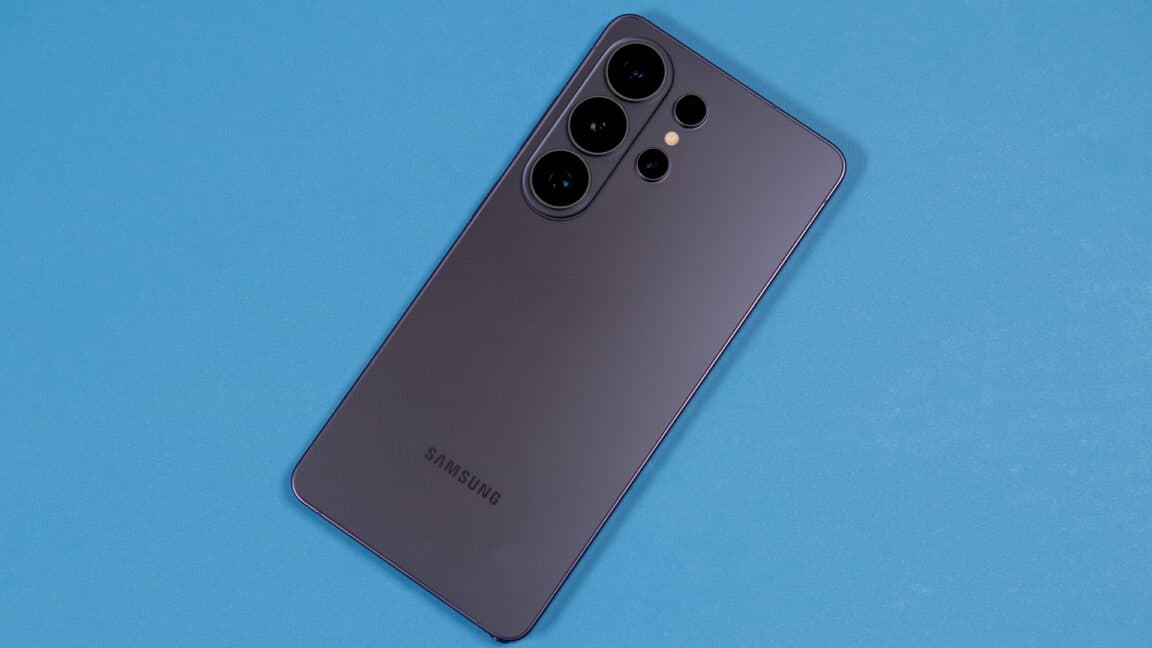
Samsung’s AI Memory Boom Has a Surprising Victim: Its Own Phones
For a decade, Samsung’s smartphone unit has been the reliable cash machine behind the Korean giant’s consumer brand. Now, the company is staring at a scenario that would have sounded absurd just a few years ago: losing money on phones while making a fortune on the chips inside everyone else’s AI servers. That inversion captures a deeper shift in tech economics: hardware built for people is being repriced by hardware built for machines. In this piece, we’ll unpack what’s really going on behind Samsung’s warning, who will end up paying, and why the fallout will be felt far beyond Korea.
The News in Brief
According to a report summarized by Ars Technica, Samsung’s mobile division (MX – “Mobile eXperience”) has warned top management that it may post its first-ever annual net loss on smartphones in 2026. Korean outlet Money Today reports that MX chief TM Roh raised the alarm internally despite strong sales of the flagship Galaxy S26 series.
The problem is not demand, but costs. As Ars Technica explains, prices of DRAM and NAND flash memory have surged amid an AI infrastructure boom. LPDDR5X memory – used in modern phones – is also heavily used in AI servers. Nvidia’s upcoming Vera CPU platforms, for example, are expected to ship with huge amounts of this RAM, tightening supply.
Counterpoint Research data cited by Ars Technica suggests memory could exceed one-third of the bill of materials for budget phones by mid‑2026, and more than 20 percent even in higher-end models. Samsung is already pushing through price increases on its Galaxy A mid-range, Z Flip/Fold foldables and some tablets. Meanwhile, Samsung’s semiconductor division is enjoying record profits from the same memory crunch.
Why This Matters
A smartphone business running at a loss is not just a Samsung problem. For years, the industry has relied on a simple formula: sell powerful hardware at stable or slightly rising prices while component costs quietly trend down. That margin cushion is what funded marketing, camera innovation and generous trade‑in programs. If memory suddenly eats a third of the bill of materials on cheaper phones, that formula breaks.
The immediate losers are:
- Budget and mid‑range buyers, who see prices jump or specs stagnate.
- Android OEMs without chip profits, who can’t offset higher component costs with semiconductor windfalls.
- Carriers and retailers, who face customers balking at higher monthly instalments.
The relative winners are more nuanced:
- Samsung Group overall gains from record semiconductor profits, even if MX bleeds.
- Memory manufacturers (Samsung Semi, SK Hynix, Micron) gain pricing power.
- Apple is indirectly helped: when Android phones get more expensive, Apple’s already-premium pricing looks less out of line.
The key structural shift is that AI data centers now set the price of core phone components. Mobile used to be the volume king; now it’s competing with AI clusters that happily pay higher prices for the same LPDDR5X because every extra token of AI compute generates revenue. That pushes smartphone makers into an awkward choice: either pass on the cost, or accept thinner margins.
Samsung raising prices on Galaxy A and Z devices shows it’s choosing to protect margin per unit, even at the risk of lost volume. If the MX division truly posts a loss, expect much more aggressive rationalisation: fewer models, stricter feature segmentation, and slower trickle‑down of high‑end tech to low‑end phones.
The Bigger Picture
This is part of a wider reordering of the hardware value chain. For most of the 2010s, smartphones were the centre of gravity: chip roadmaps, displays, batteries and modems were optimised first for phones, then repurposed for laptops and other devices. The AI boom has flipped that hierarchy.
We’ve already seen something similar with GPUs. A few years ago, consumer graphics cards became painfully expensive because cloud providers and crypto miners were buying everything in sight. Now the same pattern is hitting memory. Nvidia’s Vera/Rubin platforms, cited in the Ars Technica piece, are emblematic: a single rack’s worth of AI compute can soak up the RAM of thousands of premium phones. When data‑center buyers sign multi‑billion‑dollar supply agreements, they effectively set the global floor price.
For smartphone makers, this collides with another trend: slower upgrade cycles. In mature markets, people keep phones four to five years. That already squeezes volumes; now rising component costs squeeze margins on what's left. No wonder legacy players like LG and HTC abandoned the field – the economics keep getting worse unless you have scale, vertical integration or a unique brand.
Samsung does have those advantages, but even it isn’t immune. Chinese competitors such as Xiaomi, Oppo or Transsion may temporarily benefit because they lean on aggressive cost engineering and lower marketing spend. But they buy memory on the same global market; they can delay the pain by trimming margins, not avoid it.
Strategically, the signal is clear: AI infrastructure now dictates the cadence and cost structure of consumer electronics. That suggests we’ll see:
- More emphasis on on‑device AI that works efficiently on lower RAM tiers.
- Greater focus on software differentiation rather than brute‑force hardware bumps.
- An even sharper divide between true flagships and everything else.
The European / Regional Angle
For European consumers, this shift collides with two sensitive issues: inflation and digital inclusion. Many EU households already stretched by higher living costs rely on sub‑€300 Android phones. If memory turns those into €350–€400 devices, we’ll see more people hanging on to ageing phones with outdated software and weaker security.
That’s exactly what EU policymakers say they don’t want. The Digital Markets Act and Digital Services Act push platforms towards better long‑term support and safer ecosystems. The upcoming Right to Repair rules and ecodesign initiatives are nudging the industry to extend device lifetimes. But those same policies also quietly encourage manufacturers to treat phones as durable goods, not disposable gadgets – which fits awkwardly with a business model that assumed fast replacement cycles.
Higher hardware prices will accelerate an already visible trend in Europe:
- Growth in refurbished and second‑hand markets (e.g., Back Market, Swappie-style players).
- Rising interest in long‑support brands like Fairphone, or mid‑range Samsung and Google phones with extended update promises.
From a regulatory perspective, there is a risk that AI infrastructure demand – mostly driven by US and Chinese hyperscalers – effectively taxes European phone buyers via component prices. The EU AI Act may indirectly influence this: if some high‑compute AI use cases face stricter compliance costs in Europe, local demand for AI capacity may be more moderate, but global pricing will still be set where AI spending is freest and most aggressive.
For European OEMs, the picture is mixed. Niche players focused on privacy, security or repairability still buy on the same memory market; their already‑thin margins get thinner. At the same time, the pain hitting Samsung and Chinese mass‑volume brands creates an opening for differentiated propositions that don’t compete purely on specs.
Looking Ahead
If AI demand for memory continues on its current trajectory, 2026–2027 could mark a structural reset in smartphone pricing, not just a blip. Several developments are worth watching:
Samsung’s portfolio strategy. Does it cut the long tail of low‑end and overlapping mid‑range models? A leaner line‑up with clearer price bands would be a rational response to component inflation.
On‑device AI positioning. Marketing is already shifting from megapixels to “AI features”. If RAM is expensive, we’ll see OEMs draw harder lines: basic AI experiences on 6–8 GB devices, premium AI on 12–16 GB flagships.
Contract dynamics with carriers and hyperscalers. Samsung can use its unique position – selling both phones and memory – to negotiate cross‑subsidies or long‑term deals. For example, securing volume commitments for LPDDR5X from cloud providers in exchange for better smartphone pricing, or vice versa.
Potential demand correction. The one thing that could deflate memory prices is an AI investment pullback – if enterprises decide the ROI on ever‑larger models is weaker than hoped. That seems unlikely in the near term, but some cooling after the current build‑out wave would be normal.
For readers, the practical takeaway is simple: expect mid‑range and high‑end Android prices to keep creeping up, especially for higher RAM and storage tiers. The budget segment may survive in name, but it will either become less capable or less cheap.
If you’re planning a purchase in the next 12–18 months, pay attention not only to launch prices but also to:
- How aggressively your operator can subsidise devices.
- Which brands commit to long‑term updates (to stretch your investment).
- Whether last year’s model offers 80–90 percent of the experience at a lower price.
The Bottom Line
Samsung’s warning that its phone business might fall into the red is not a sign of failing demand; it’s proof that AI is rewriting the economics of consumer hardware from underneath. When the chips that power data‑center AI become more profitable than the phones in our pockets, prices and product strategies inevitably shift. The real question is whether the industry uses this shock to build more durable, longer‑supported devices—or just to normalise ultra‑expensive flagships. As a buyer, how much more are you truly willing to pay for your next “AI phone”?