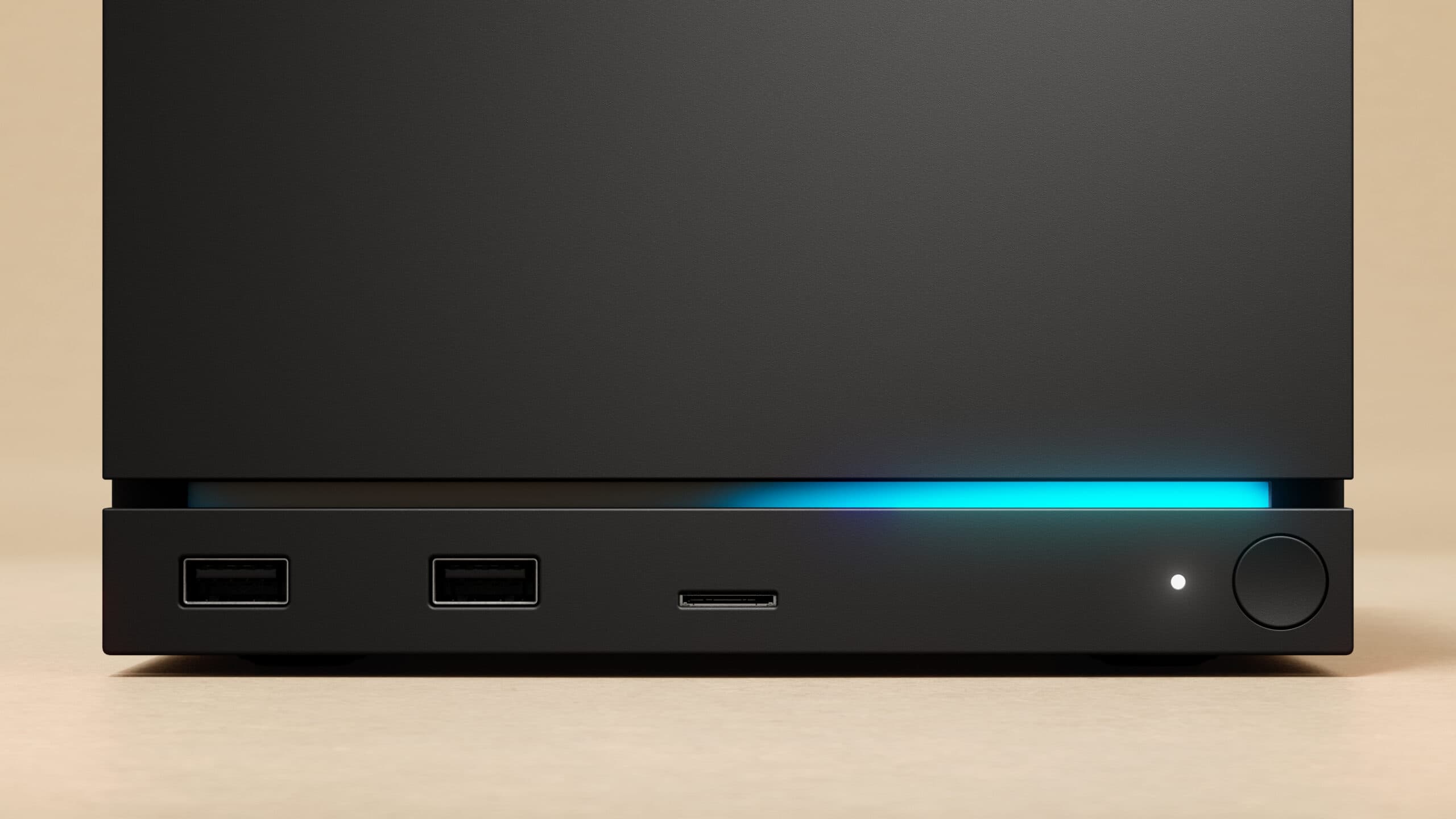
Headline + intro
Valve’s new SteamOS 3.8 preview looks, on paper, like a simple platform update. In practice, it’s a declaration of intent. While the upcoming Steam Machine desktop PC is stuck in component limbo thanks to the AI-fueled memory crunch, Valve is quietly turning SteamOS into a serious, hardware-agnostic gaming platform. This update isn’t only about making Valve’s own box work; it’s about making Windows less mandatory on gaming PCs and handhelds. In this piece, we’ll unpack what actually changed, why it matters for PC gamers and hardware makers, and why Europe may be one of the biggest winners.
The news in brief
According to Ars Technica, Valve has released a preview of SteamOS 3.8, a major update to the Linux-based operating system that powers the Steam Deck and will ship on the upcoming Steam Machine desktop. The release updates the underlying Arch Linux base, graphics stack, and moves the desktop mode to KDE Plasma on Wayland, running on Linux kernel 6.16.
Valve says the new version improves compatibility with recent Intel and AMD platforms and expands support for third-party handhelds and accessories. Devices explicitly targeted include AMD-based handhelds as well as Intel-powered ones like MSI’s Claw, plus better support for newer AMD chips such as the Ryzen Z2 Extreme.
Crucially for the Steam Machine, the update promises significantly improved video memory management for discrete GPUs, particularly 8 GB cards comparable to the Radeon RX 7600 that Valve plans to ship. There are also changes aimed at living-room and desktop use: improved HDMI audio, better HDR and variable refresh support, smarter scaling on TVs and multi-monitor setups, and fixes for desktop mode performance.
The update is currently in the Preview channel for existing SteamOS 3.7 users. Ars Technica notes Valve still targets a Steam Machine launch in the first half of the year, but pricing and availability remain undisclosed.
Why this matters
The obvious story is “Steam Machine getting closer to launch.” The more important story is that Valve no longer wants SteamOS to be interpreted as firmware for a single device. With 3.8, SteamOS is being hardened into a general-purpose gaming OS for a wide variety of x86 hardware, from handhelds to living-room PCs.
First, the discrete GPU memory fix targets a real strategic weakness. When 8 GB GPUs perform noticeably worse under SteamOS than under Windows, Valve is effectively telling mainstream PC gamers to stay on Microsoft’s platform. That’s unsustainable if Valve is serious about challenging Windows’ de facto monopoly in PC gaming. Fixing VRAM management for cards at the heart of the mid-range market is not a minor bug; it’s table stakes for credibility.
Second, explicit support for third-party handhelds—Asus ROG Ally, Lenovo Legion Go variants, MSI Claw—signals a shift in how Valve views hardware partners. Instead of repeating the first-generation Steam Machines model, where OEMs shipped fragmented Linux builds, Valve is positioning SteamOS as a reference OS that can run well on competitors’ devices. That’s classic “expand the ecosystem, not just the product” thinking.
Who benefits?
- Gamers get a realistic alternative to Windows on more devices, with console-like updates and tuning.
- Handheld and boutique PC vendors gain a free, gaming-focused OS that doesn’t require paying Microsoft licensing fees—and may perform better for gaming.
- Valve deepens its control of the PC gaming stack: store, runtime (Proton), and now OS.
The losers are obvious: Microsoft, which risks seeing a chunk of enthusiast and handheld devices ship or dual-boot without Windows, and any OEMs betting solely on a Windows-first handheld strategy.
The bigger picture
SteamOS 3.8 sits at the intersection of several long-running trends.
First, the long project of making Linux a serious gaming platform is paying off. Proton, Vulkan, and years of driver work have already made the Steam Deck far more capable than anyone expected from a Linux handheld. By pushing a modern Wayland desktop, updated kernel, and broader hardware support, Valve is turning that “portable console” work into a general desktop-gaming platform.
Second, hardware is unreliable; software is leverage. The article highlights how AI data centers are soaking up memory and storage supply, making it hard for Valve to ship Steam Machine and even keep the Steam Deck in stock. Instead of waiting for the supply chain to calm down, Valve doubles down on the one thing it fully controls: the software stack. If the Steam Machine launches late or in small quantities, SteamOS still matters because it can run on other vendors’ boxes.
Third, this fits a wider industry move toward platformization of operating systems. Microsoft is trying to blur Xbox and Windows with Game Pass and a unified ecosystem. Sony is quietly building a PC foothold through ports and its own launcher. Valve’s answer is different: rather than building a separate console walled garden, it wants the PC itself to behave more like a console when running SteamOS—automatic updates, curated UX, consistent performance—while keeping the openness of a standard PC.
Historically, Valve’s earlier Steam Machines initiative failed partly because the OS and ecosystem weren’t ready and OEMs shipped a mess of configurations. The Steam Deck proved that when Valve controls the full stack, Linux gaming can be excellent. SteamOS 3.8 is about taking that hard-won maturity and re-exporting it back onto the broader PC world—and doing so at a moment when Windows’ dominance in enthusiast gaming is, for the first time in years, genuinely challengeable.
The European / regional angle
For European users and companies, SteamOS 3.8 is more than another gaming update; it’s a meaningful step in digital sovereignty.
The EU has long viewed US platform dominance with suspicion. A viable, Linux-based gaming OS that can run on hardware from local system integrators aligns neatly with ambitions around open standards, interoperability, and reduced dependence on a single US vendor. Boutique PC builders in Germany, Poland, the Nordics, or the UK could offer prebuilt living-room systems with SteamOS instead of Windows, lowering costs and sidestepping license complexity.
From a regulatory lens, SteamOS also sits comfortably within the spirit of the Digital Markets Act (DMA) and Digital Services Act (DSA): it’s an open PC OS where users can install what they want, with no mandatory app tax. That’s a compelling contrast with closed console ecosystems where storefront choice is limited and fees are opaque.
Culturally, Europe has a strong PC-gaming tradition and a sizable Linux-curious audience, especially in privacy-conscious markets like Germany and the Nordics. For these users, a “works out of the box” Linux gaming environment on a TV or desktop could finally remove the friction that has kept them on Windows purely for games.
There’s a business angle, too. European indie studios already rely heavily on Steam for distribution. A growing SteamOS install base—especially on devices that behave more like consoles—could make testing and optimization for Linux a default part of their workflow, improving performance and stability for a demographic that often over-indexes in Europe.
Looking ahead
The near-term question is not whether SteamOS 3.8 is technically solid—it likely will be after a few preview cycles—but whether Valve can ship enough Steam Machines, at the right price, to make the hardware matter.
Component shortages driven by AI infrastructure build-outs are a real constraint. If memory and storage stay expensive or scarce through 2026, Valve may be forced into a “soft launch”: limited quantities, perhaps focused on a few regions, while letting third-party vendors and DIY builders carry the SteamOS flag.
That wouldn’t be a disaster. SteamOS’ success is no longer tightly coupled to Steam Machine unit sales. The more important metric will be how many ROG Ally, Legion Go, MSI Claw, and generic mini-PC owners decide to replace or dual-boot Windows with SteamOS once 3.8 is stable.
Watch for a few key signals:
- Whether major handheld vendors officially endorse SteamOS or at least stop blocking it.
- Benchmarks comparing 8 GB GPUs on SteamOS 3.8 vs Windows in popular games.
- How quickly Valve iterates: frequent kernel and Proton updates would show long-term commitment.
- Any moves from Microsoft to tie gaming features more tightly to Windows-only components in response.
The big risk is déjà vu: if Steam Machine pricing is out of touch with consoles and DIY PCs, the hardware could repeat the fate of the original Steam Machines. The big opportunity is that, this time, the OS is good enough that even a middling hardware launch wouldn’t derail the broader strategy.
The bottom line
Valve’s SteamOS 3.8 update is less about a single box under your TV and more about eroding Windows’ default status in PC gaming. By fixing key GPU issues, embracing both AMD and Intel hardware, and actively courting third-party handhelds, Valve is turning SteamOS into a real platform, not a curiosity. If it can pair that with sensible Steam Machine pricing and strong support for partners, Europe and the wider PC world may finally get what consoles never offered: a living-room system that’s powerful, open, and not locked to a single corporate gatekeeper. The only real question is how quickly gamers will be willing to leave Windows behind.