Apple’s Creator Studio Is Really an AI Strategy Disguised as a Bargain Bundle
Apple’s new Creator Studio subscription looks, at first glance, like a rare win for pro users: a pile of serious creative tools for a very un-Adobe price. But hidden inside the attractive bundle is Apple’s real long‑term play: turning AI features and content libraries into a recurring revenue engine, without yet provoking a full‑scale backlash from Mac traditionalists. In this piece we’ll unpack what actually launched, why iPad users should read the fine print, how this fits into Apple’s AI ambitions, and where European creators and regulators come into the picture.
The news in brief
According to Ars Technica’s Andrew Cunningham, Apple has launched a new Creator Studio subscription bundle for its creative and productivity apps. The bundle costs $13 per month or $130 per year, with a heavily discounted $3/$30 tier for students and teachers.
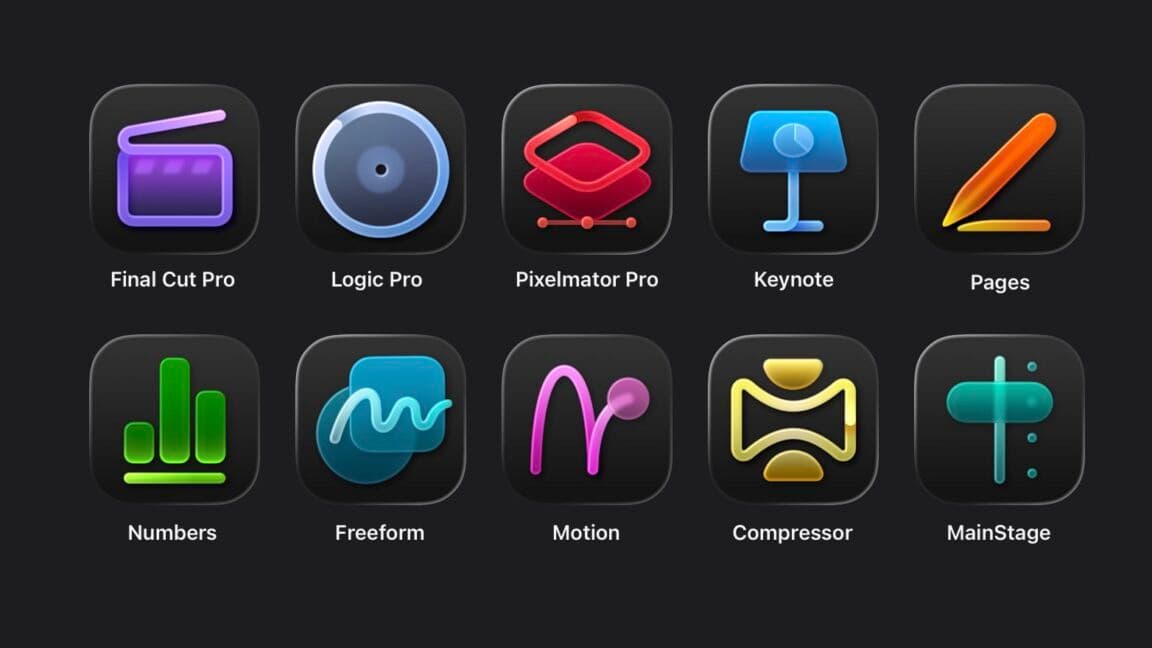
The subscription covers access to or enhanced features in 10 apps across macOS and iPadOS, including Final Cut Pro, Logic Pro, Pixelmator Pro, Keynote, Pages, Numbers, Freeform, Motion, Compressor and MainStage (the last three are Mac-only).
On the Mac, key pro apps like Final Cut Pro and Logic Pro remain available as one‑time purchases via the Mac App Store, and existing buyers get free updates to the new major versions. On the iPad, however, the previous per‑app subscriptions for Final Cut Pro and Logic Pro have been withdrawn in favour of the all‑or‑nothing Creator Studio bundle. New AI and template features in Apple’s “iWork” apps now sit behind the subscription paywall, and many of those AI capabilities rely on OpenAI technology Apple is hosting on the back end.
Why this matters
The most immediate impact is psychological: Apple has crossed the subscription Rubicon for its creative stack, but only halfway. Mac users can keep buying perpetual licenses; iPad users are quietly being nudged into the bundle whether they want it or not.
Who wins today?
- Multi‑device pros who already live inside Final Cut, Logic and iWork on both Mac and iPad get an unusually generous deal. Even one Final Cut Pro perpetual licence on Mac costs more than eight months of Creator Studio.
- Families and small studios benefit from Family Sharing and the 10‑device limit, which makes this bundle far more flexible than Adobe’s standard licensing.
Who clearly loses?
- Single‑app iPad creators. If you only want Final Cut Pro on an iPad, the previous per‑app subscription was expensive but predictable. Now you’re forced to pay for a full suite you may never open.
- Third‑party tool vendors who compete directly with Apple’s apps but can’t match a cross‑platform bundle subsidised by hardware profits.
Functionally, Creator Studio also introduces a new class divide inside Apple’s own software: AI features, richer templates and the Content Hub are positioned as premium extras you rent, not own. Apple isn’t removing core functionality yet, but the direction is unmistakable. As AI becomes a standard expectation in creative workflows, the subscription becomes less “optional add‑on” and more “price of entry.”
The bigger picture
To see what Apple is really doing, compare Creator Studio to two older shifts:
- Adobe’s Creative Cloud: a hard pivot to subscriptions where perpetual licenses were simply killed.
- Microsoft 365: a softer transition where standalone Office still exists, but AI features, cloud storage and collaboration live behind the subscription.
Apple is clearly choosing the Microsoft path—for now. Pro Mac users, a group Apple cannot afford to alienate again after the 2013–2016 Mac Pro era, keep their perpetual Final Cut and Logic licenses. At the same time, Creator Studio becomes the place where:
- New AI‑driven features land first.
- Shared content libraries (stock images now, likely video/audio later) are concentrated.
- Apple can experiment with usage limits and server‑side processing economics.
The OpenAI integration is particularly revealing. Apple is paying someone—very likely OpenAI and cloud providers—for every generative image or auto‑produced slide deck. That cost structure simply doesn’t work with one‑off app sales. A subscription bundle with soft usage caps is exactly how you make that sustainable.
There’s also a hardware story. By tying demanding creative workloads and AI features to its most recent OS versions and, in some cases, to Apple Silicon, Apple is doing what it always does: making the best software experience a reason to upgrade hardware regularly. Subscriptions then become the recurring layer on top of that hardware cycle.
Creator Studio, in other words, is less about copying Adobe’s business model and more about funding Apple’s AI ambitions without scaring off its legacy pro base.
The European / regional angle
For European creators, Creator Studio lands in the middle of an already complex regulatory landscape.
First, the EU AI Act will demand transparency and safeguards around generative AI systems. Apple’s promise—highlighted by Ars Technica—that user content for AI features will not be used to train models is not just marketing; in Europe it will be scrutinised as a compliance commitment. Because Apple is leaning on OpenAI in the background, data protection authorities in privacy‑sensitive markets like Germany or France will likely ask tough questions about where data flows and how long it’s retained.
Second, under the Digital Markets Act (DMA), Apple is officially a “gatekeeper.” Bundling a large, first‑party creative suite with AI features into the App Store raises classic self‑preferencing concerns. Independent European developers making video editors, music tools or presentation apps now compete against an aggressively priced Apple bundle that is promoted and distributed through an app store Apple controls.
For European schools and universities, however, the education pricing is strategically dangerous in a different way: it’s incredibly attractive. A €3‑ish monthly fee for a near‑complete creative studio could lock an entire generation of students into Apple’s ecosystem, from hardware to software to AI tools. That’s good for digital skills, less good for long‑term competition.
Lastly, Europe has several strong alternatives—Blackmagic’s DaVinci Resolve, the Affinity suite now under Canva, and smaller regional players—but none can match Apple’s ability to bundle hardware, OS, apps and AI. Expect more pressure on these companies either to join larger platforms or to focus on niche, high‑end workflows that Apple’s mass‑market tools do not serve well.
Looking ahead
Creator Studio today is a transitional product. The real question is not how it works in January 2026, but how it will look in 2028.
Several signposts to watch:
- Pixelmator Pro as the canary: on Mac, the newest Pixelmator Pro version currently requires Creator Studio while the older standalone build lingers in the store. If that older version stops receiving meaningful updates, you’ll have your first concrete example of a third‑party app going effectively subscription‑only via Apple’s bundle.
- Feature drift between perpetual and subscription: Apple insists that standalone Mac pro apps are not missing major features—for now. The moment AI‑driven editing tools, collaboration, or cloud rendering show up only in Creator Studio builds, the gentle Microsoft‑style transition will start to resemble Adobe’s harder cut‑over.
- Expansion of the Content Hub: turning Pages, Numbers and Keynote into gateways to a broader Apple‑branded stock service (and eventually sound FX and B‑roll for Logic and Final Cut) would create a recurring revenue stream that looks a lot like a built‑in Getty/Envato competitor.
- Regulatory friction in the EU and UK: if Apple ever experiments with making some of these apps Creator‑Studio‑only on iPad or macOS in Europe, expect fast reactions from competition authorities already irritated by app store rules and tying.
In the near term—12 to 18 months—Creator Studio will probably stay in “carrot” mode: more AI, more templates, more content, still‑generous licensing. The “stick” of removing perpetual options or downgrading free versions is more likely to appear once enough users have internalised that “serious” AI‑assisted work just happens inside the bundle.
The bottom line
Creator Studio is not just a friendly discount for creative pros; it’s Apple’s on‑ramp to a subscription‑funded, AI‑heavy future for its software. Today, Mac users get to keep their perpetual licenses, and the bundle genuinely undercuts competitors. But the gravitational pull is clear: AI features, content libraries and cross‑device workflows will live behind a monthly fee. The real decision for creators isn’t whether to subscribe this year—it’s whether they are comfortable betting their workflows on a stack that, piece by piece, is moving from “buy once” to “rent forever.”