1. Headline & intro
Apple just did something it almost never does: it pushed updates to iPhones so old that many of them spent the last few years in drawers or kids’ rooms as glorified iPods. On the surface, this looks like a feel‑good story about extending device life. In reality, it’s a case study in how tightly Apple controls the useful lifespan of its products – and how that control is starting to collide with environmental policy, competition law, and user expectations.
In this piece we’ll unpack what Apple actually changed, why it matters for iMessage and FaceTime, what it says about planned obsolescence, and how it plays into growing regulatory pressure, especially from Europe.
2. The news in brief
According to Ars Technica, Apple has released unexpected updates for several long‑retired versions of iOS and iPadOS. The new builds are:
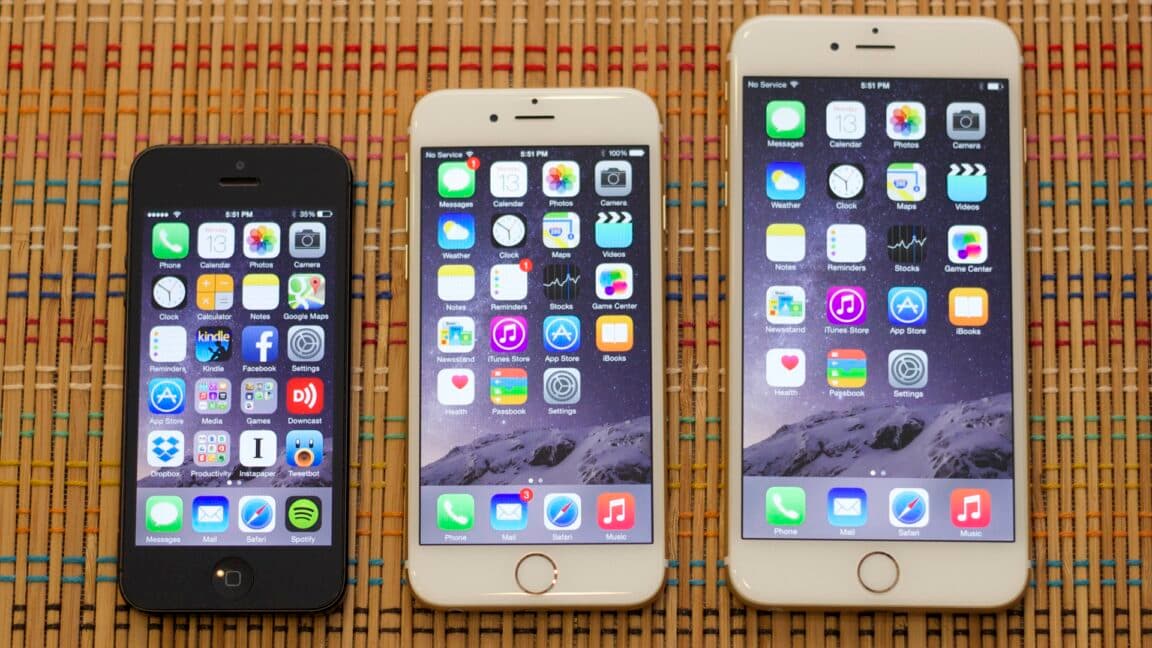
- iOS 12.5.8 for devices as old as the iPhone 5S and iPhone 6 (2013–2014)
- iOS 15.8.6 for devices such as the iPhone 6S, iPhone 7 and iPad Air 2
- iOS 16.7.13 for devices stuck on iOS 16, including the iPhone 8 and iPhone X
These updates do not add features or fix known security vulnerabilities. Instead, Apple’s release notes for iOS 12 and 15 explain that a key security certificate has been renewed so that iMessage, FaceTime and Apple ID sign‑in continue to function beyond January 2027, when the previous certificate would have expired.
Ars Technica notes that iOS 15 and 16 last received patches in mid‑2025, while iOS 12 had not been updated since early 2023. Apple also rotated the same certificate in iOS 18.7.4, which is still actively supported. There is no comparable update for devices stuck on iOS 17.
3. Why this matters
At first glance, this looks like a minor maintenance operation. In practice, Apple just made a big decision about the digital shelf life of millions of devices.
By renewing certificates for iMessage, FaceTime and Apple ID, Apple is effectively saying: these old iPhones are no longer safe or modern, but we’ll keep them talking to our cloud for a few more years. That has three important consequences.
1. Old hardware stays useful as single‑purpose devices
Even if Safari is hopelessly outdated and most apps no longer install, an iPhone 6 that can still send iMessages and run FaceTime is valuable as a kids’ phone, a family device for grandparents, or a spare travel handset. The update quietly supports the booming secondary and “hand‑me‑down” markets.
2. Lock‑in outlives hardware support
Apple isn’t extending security support; it’s extending ecosystem support. iMessage in particular is a powerful lock‑in mechanism in the US and increasingly elsewhere. Allowing very old devices to keep using iMessage until at least 2027 means those users stay inside Apple’s walled garden, even when everything else on the device is obsolete.
3. Apple is choosing which bits die first
This move highlights something users often underestimate: even when the hardware still works, Apple can switch off critical services via expiring certificates or protocol changes. The company has chosen, this time, not to. That’s good for users – but it also underlines that the “end of life” of a phone is ultimately a policy decision in Cupertino, not a law of nature.
Winners here are users hanging onto old devices, refurbishers, parents, schools, and Apple’s own services revenue. The losers are anyone who hoped this meant broader security support is coming back for iOS 12–16. It isn’t.
4. The bigger picture
Seen in isolation, a certificate refresh is boring. Seen against the last two years of smartphone policy and competition battles, it’s revealing.
First, it fits into a broader industry move toward longer lifecycles. Google and Samsung now both promise up to seven years of OS and security updates on their latest flagships. Apple has traditionally delivered five to seven major iOS versions per device, which already beats most Android vendors, but has rarely spelled out clear commitments.
This update stretches the service life of some devices to 12–14 years from launch, at least for Apple‑controlled functions. That’s remarkable longevity – but also very selective. Web browsing on iOS 12 is close to unsafe in 2026, and most third‑party apps have long moved on. Apple is effectively saying: we’ll keep the Apple‑branded bits alive, even if the rest of the experience rots.
Second, it resonates with long‑running debates about planned obsolescence. Regulators and consumer advocates often accuse phone makers of nudging users into upgrades by cutting off software. Apple can now point to updates for 2013 phones as evidence that it isn’t intentionally killing devices. But critics will respond that security fixes, not just service access, are what really matter – and those remain absent.
Third, the move underlines how vertically integrated platforms can use cloud dependencies to define “support”. We’ve seen similar patterns elsewhere: Sonos speakers losing functionality when cloud services changed; smart TVs stuck on old apps; older Android phones abruptly losing access to Google services. Apple’s decision to be generous this time does not change the underlying power imbalance.
5. The European / regional angle
For Europe, this update lands in the middle of a policy shift around sustainability and competition in digital markets.
On sustainability, the EU has approved new ecodesign rules and a right‑to‑repair framework that push manufacturers towards longer software support and repairability for smartphones. Refurbished and second‑hand iPhones are extremely popular in markets like France, Germany, Italy and Central/Eastern Europe, where new‑phone prices collide with stagnating wages.
Being able to say that a 2014 iPhone can still handle basic messaging in 2027 is politically useful for Apple. It supports the narrative that premium devices have a long usable life and therefore a smaller environmental footprint per year of use – exactly the logic EU regulators want to encourage.
Then there’s competition. Under the Digital Markets Act (DMA), the European Commission is pushing “gatekeepers” like Apple to open up key services and ensure fairer competition. Messaging interoperability is one of the hot topics: Brussels is still deciding how far iMessage falls under these rules. Keeping iMessage working on very old devices doesn’t solve the interoperability question, but it allows Apple to argue that it treats legacy users reasonably well.
Finally, Europe’s privacy‑conscious culture means many households keep devices for longer, only upgrading when security or essential apps force their hand. For those users, Apple’s message is mixed: yes, you can still use iMessage and FaceTime – but no, we’re not resuming full security support. National regulators and consumer protection agencies in the EU are unlikely to love that nuance.
6. Looking ahead
There are a few things to watch over the next 12–24 months.
1. Will this become policy, not charity?
If Apple turns certificate renewals into a predictable, documented lifecycle – for example, “iMessage and Apple ID will work for at least X years from launch” – that would be a major step toward transparency. Today’s move feels discretionary and opaque.
2. How will this interact with new EU rules?
As the EU’s ecodesign and right‑to‑repair rules start to bite, Apple may have to formalise minimum software support periods anyway. Extending cloud service access, as it just did, could become part of the compliance toolkit – especially in sustainability‑minded markets like Germany and the Nordics.
3. Security vs. usability on very old devices
There is a risk that users misread this update as “Apple still supports my iPhone 6”. It doesn’t, at least not in the modern sense. Browsing, payments and many apps on iOS 12 remain risky. Expect more pressure on Apple (and others) to provide clearer in‑OS warnings when a device is out of security support but still able to connect.
4. What about the missing generations?
Ars Technica points out that there’s no equivalent update for devices stuck on iOS 17. Apple’s lifecycle decisions across different OS branches are becoming complicated even for experts to track. A cleaner, public matrix of “security support until / basic services until” per model would reduce confusion – and may eventually be demanded by regulators.
7. The bottom line
Apple’s update for ancient iPhones is genuinely good news for anyone still clinging to an old device or buying used hardware. But it’s not altruism; it’s a strategic extension of ecosystem lock‑in and a way to look good in the face of regulatory and environmental pressure, without reopening full security support.
If Apple can keep a 2013 iPhone talking to iMessage in 2027, what exactly is the real, justified end‑of‑life for a modern smartphone – and who should get to decide it: the manufacturer, regulators, or you?