Bose is about to cut cloud support for its aging SoundTouch Wi‑Fi speakers and soundbars—but it’s not slamming the door completely.
Alongside the planned end-of-life, the company is doing something smart home vendors almost never do: it’s open‑sourcing key parts of the platform so the community can keep these expensive boxes alive.
What’s happening to SoundTouch
Back in October, Bose told customers that SoundTouch speakers would effectively become “dumb” speakers on February 18. After that date:
- No more security or software updates
- No more cloud connectivity
- The SoundTouch companion app would stop working
Bose said the hardware would still play audio, but only via AUX, HDMI, or Bluetooth—and Bluetooth would come with higher latency than Wi‑Fi.
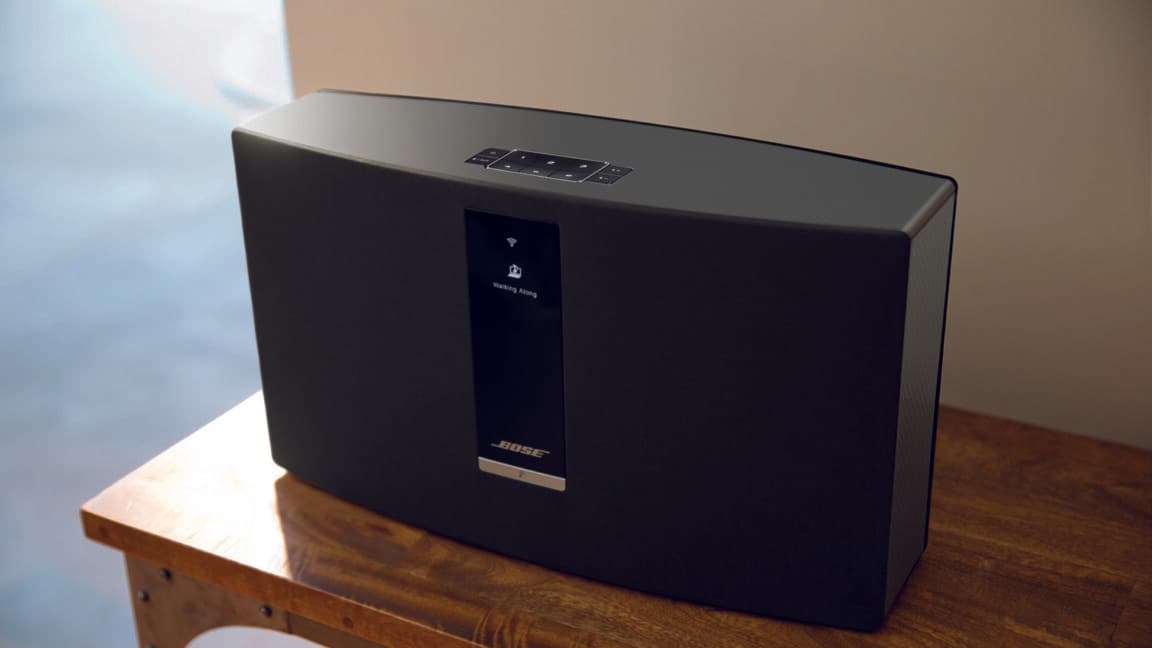
That announcement landed badly with loyal buyers. SoundTouch speakers launched between 2013 and 2015 at prices ranging from $399 to $1,500, including the SoundTouch 30 Series III, which debuted in 2015 for $500. Many of those units still work perfectly fine, and owners weren’t thrilled about seeing them functionally downgraded so Bose could move on.
The partial reprieve: AirPlay, Spotify, and a leaner app
This week, Bose softened the blow in an email to SoundTouch customers.
The company now says:
- AirPlay and Spotify Connect will continue to work after end-of-life.
- SoundTouch devices that support AirPlay 2 will still be able to play the same audio simultaneously (multi-room via AirPlay).
That’s a significant upgrade from the original plan, which implied a hard fall back to wired inputs and basic Bluetooth.
The SoundTouch app is also getting a second life—just not the one it had before.
“On May 6, 2026, the app will update to a version that supports the functions that can operate locally without the cloud. No action will be required on your part. Opening the app will apply the update automatically,” Bose told customers.
In other words, anything that depended on Bose’s servers or cloud integrations is going away, but local functions will survive in a stripped-down app.
Bose is also offering a workaround for one of the most popular features it’s cutting: presets. The company now points users to the favorites features inside music service apps as a way to recreate saved content, instead of relying on SoundTouch’s own preset system.
Bose open-sources the SoundTouch API
The most unusual part of Bose’s plan is what it’s doing for developers.
In the same customer email, Bose shared API documentation for SoundTouch as a PDF “so that independent developers can create their own SoundTouch-compatible tools and features.”
That might sound small, but it’s a big departure from how smart home end-of-life usually works.
Typically, when companies brick smart speakers, hubs, or cameras, frustrated users ask for exactly this: open access to APIs or firmware so the community can:
- Keep already-purchased hardware out of the e‑waste pile
- Maintain basic functionality without the original cloud service
- Potentially add new features that the vendor never shipped
Most companies decline. One persistent fear: if someone uses the hardware for a controversial or insecure hack, the original brand gets dragged into the mess.
Bose, at least with SoundTouch, is taking that risk.
With the API docs now public to customers, independent developers can build their own tools for controlling SoundTouch hardware, automating it, or integrating it with other systems—even after Bose’s cloud backend goes dark.
Still a downgrade, but a better kind of end-of-life
None of this makes the end-of-life painless.
Some of SoundTouch’s most popular features—tight app integration with music services, Bose’s own multi-room audio, and cloud-driven presets—are still going away for good. The hardware isn’t suddenly getting an extended official support window. Bose remains clear that security and software updates will stop, and that’s a real concern for anything on your home network.
Ideally, companies would support connected devices for as long as the hardware physically works. In practice, running old cloud stacks, keeping up with evolving platforms, and serving shrinking user bases costs money and engineering time that vendors would rather spend on new products.
That economic reality is why device bricking has become such a flashpoint. Customers pay premium prices for hardware that can be partially or completely disabled by a server-side decision years later.
Against that backdrop, Bose’s SoundTouch plan isn’t perfect—but it is better than the industry norm.
- AirPlay and Spotify Connect remain usable.
- AirPlay 2 speakers keep multi-room playback.
- The app continues to function locally after May 6, 2026.
- The API is open enough for the community to try keeping these speakers useful.
If vendors insist on sunsetting smart devices, this is a more responsible pattern: preserve as much core functionality as possible, and open the platform so existing owners have a fighting chance to extend its life.
Smart speakers shouldn’t need a “more merciful death.” But as long as they do, Bose just showed one way to do it that other hardware makers should be watching.