Nintendo’s 9‑Year Miracle: What the Switch Record Really Tells Us
The Nintendo Switch was supposed to be a quirky hybrid experiment after the Wii U misfire. Nine years later, it has quietly become the most successful piece of hardware in Nintendo’s history and the second‑bestselling game console ever made. That milestone isn’t just a feel‑good story for Kyoto—it’s a clear signal that the rules of the console business have changed. In this piece, we’ll unpack what this sales record really means: for Nintendo’s strategy, for competitors like Sony and Microsoft, and for players now caught between an aging Switch and a fast‑rising Switch 2.
The news in brief
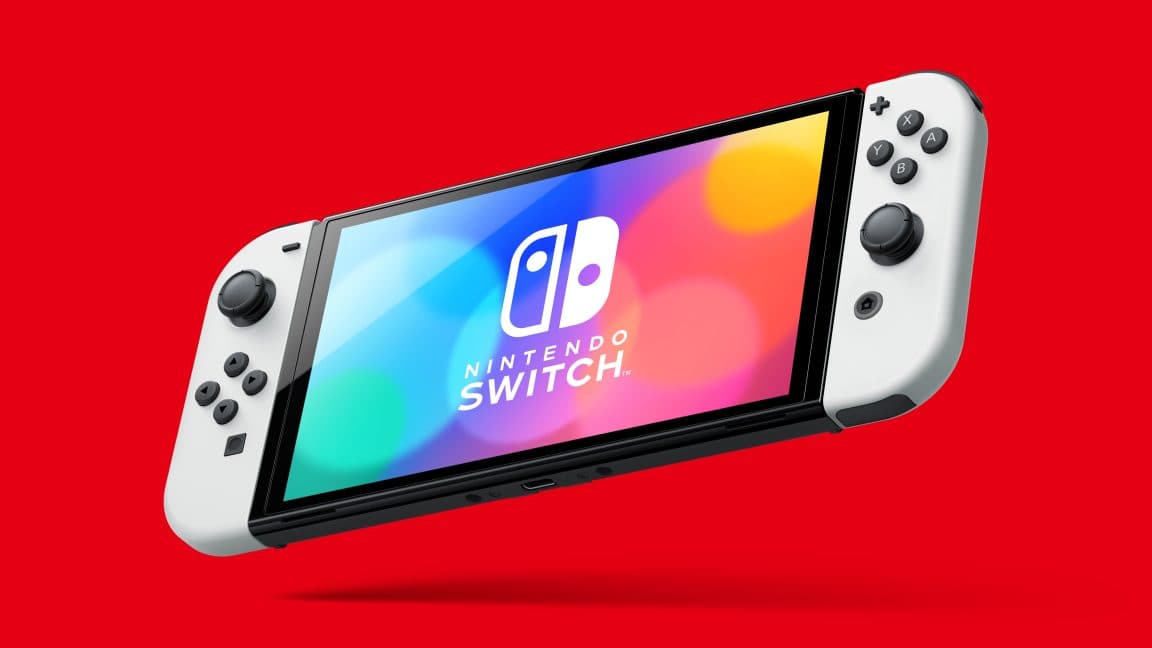
According to Ars Technica, citing Nintendo’s latest quarterly financials, the original Nintendo Switch family (including OLED and Lite models) reached 155.37 million units sold as of 31 December 2025. That pushes it past the Nintendo DS, which ended its life at 154.02 million units, making Switch Nintendo’s best‑selling hardware line of all time.
That also puts the Switch in second place in the global console rankings, behind only Sony’s PlayStation 2, which Sony says sold more than 160 million units. Nintendo expects to sell roughly another 750,000 Switch units next quarter, even though the hardware is nine years old and saw a price increase in August 2025.
Meanwhile, Switch 2 is off to a rapid start. By the end of 2025 it had sold 15 million units, and 17.37 million by the end of the reported quarter—already surpassing the Wii U’s lifetime 13.56 million units and closing in on the GameCube’s 21.74 million.
On the software side, the original Switch still dominates: 47.37 million games sold for Switch versus 17.31 million for Switch 2 in the latest quarter. Nintendo also reports 129 million annual active users across its consoles, a number that has been almost flat for three years.
Why this matters
The Switch’s record is not just about nostalgia; it’s about power. Pricing power, platform power, and IP power.
First, Nintendo has done something most consumer electronics makers can only dream of: sell essentially the same architecture, at higher prices, nearly a decade in, and still move millions of units per year. The 2025 price hike should have been a demand killer. Instead, sales continued. That screams inelastic demand driven by strong exclusive content and a family‑friendly brand that still resonates globally.
Second, this is the clearest proof yet that the “portable‑plus‑TV” hybrid form factor solved a real problem for mainstream players. For many people, the console is no longer a black box under the TV, but a shared household device constantly moving between rooms, commutes, and trips. That usage pattern is hard for Sony’s and Microsoft’s more traditional boxes to copy without completely rethinking their hardware.
Third, this record shifts leverage in the industry. A 155+ million install base gives Nintendo tremendous negotiating power with publishers, accessory makers, and even retailers. And unlike the DS or Wii era, Nintendo is not walking into a hardware slump; Switch 2 already looks like a hit. The handoff from old to new generation—often a moment when platform holders are vulnerable—is instead looking like a period of overlap where Nintendo can double‑dip on software sales across two platforms.
The losers, at least in the short term, are mid‑tier hardware makers and cloud‑gaming hopefuls. When a nine‑year‑old Tegra-based device still sells in the millions at a premium price, it’s hard to convince families they urgently need a streaming box or a beefier handheld PC.
The bigger picture
The Switch’s trajectory fits into several long‑running trends in gaming.
1. Console generations are stretching. Sony quietly extended the PS4 era even after the PS5 launched; Microsoft did the same with Xbox One cross‑gen releases. Nintendo is taking that logic further: not only is the original Switch still in production, it’s serving as the de‑facto “budget tier” of the ecosystem. The classic seven‑year console cycle is dead. Platforms now behave more like smartphones, with overlapping generations and cross‑compatibility.
2. IP beats teraflops. The record confirms what Wii, DS and PS2 already suggested: content libraries and price points matter more than raw performance. Switch has been underpowered since day one compared to PS4 and Xbox One, yet it outlived both in sales momentum by leaning on Mario, Zelda, Pokémon and a long tail of indie hits. For all the talk about ray tracing and 8K, the dominant console of the last decade runs on 2015‑era mobile silicon.
3. Portability is no longer a niche. The success of Steam Deck, ROG Ally and a dozen handheld PCs is easier to understand in a world trained by Switch. Nintendo effectively re‑educated a generation of players to expect high‑quality games in a portable form factor without the compromises of mobile free‑to‑play economies. Competitors are now chasing that expectation, but none can match Nintendo’s first‑party software.
Compared to prior record‑breakers, Switch is different in one important way: it lives in an era of constant digital connectivity and updates. The PS2 and DS were mostly offline machines; Switch is an online platform with an eShop, cloud saves and recurring subscriptions. That makes its huge installed base much more monetizable over time—but also more exposed to regulatory and antitrust scrutiny.
The European angle
For European players, the Switch record exposes an uncomfortable truth: we are willing to tolerate high prices and aging hardware if the games are good enough.
The original Switch still regularly sells in Europe at prices that would once have implied cutting‑edge tech. The 2025 price increase hit eurozone and UK buyers during a period of sticky inflation and energy‑price anxiety, yet demand barely moved. That tells Nintendo that Europe will pay for perceived value, not specs—and it reduces incentives to rush aggressive hardware refreshes for this market.
Regulators, however, are unlikely to ignore a platform with over 150 million units in circulation and a highly centralized digital store. While Nintendo is not currently in the “gatekeeper” club targeted by the EU’s Digital Markets Act, its eShop and online services increasingly look like a closed ecosystem in which Nintendo sets prices, controls discoverability and defines refund rules. As the EU enforces DMA and the Digital Services Act more broadly, Nintendo’s online operations will face more pressure to be transparent and interoperable, especially around account portability and parental controls.
There’s also an opportunity side. European indie studios—from Spain and France to Poland and the Nordics—have used Switch as a revenue‑diversification lifeline, often finding more success there than on PC or mobile. A long tail of original Switch ownership, alongside rapid Switch 2 adoption, means another several years in which a well‑optimized mid‑budget title can reach a massive, paying audience.
For hardware makers and local retailers, though, the message is harsh: a nearly decade‑old Nintendo device is still eating shelf space that might otherwise belong to local streaming boxes, Android TV sticks or home‑grown handhelds.
Looking ahead
Can Switch realistically overtake the PlayStation 2? Mathematically, yes. Strategically, Nintendo may not care enough to force it.
At current projections—around three quarters of a million units in the next quarter and a likely taper afterwards—the original Switch might add several million more sales before production meaningfully winds down. A late‑cycle price cut or an aggressively marketed “Switch Classic” bundle in emerging markets could push it over the PS2 line. But every unit of old hardware also risks cannibalizing early Switch 2 sales and complicating developer optimization.
The more important story is the dual‑platform phase we’re entering. For at least the next two to three years, expect:
- Major Nintendo releases to stay cross‑gen, especially evergreen franchises like Mario Kart and Pokémon.
- A gradual shift of visually ambitious third‑party titles to Switch 2 only, once the installed base clears 40–50 million.
- Increasing pressure on Nintendo to improve online services, cloud saves and account systems so that moving between devices feels seamless.
Watch for two key signals:
- A real price cut on the original Switch, especially in Europe and Latin America. That would indicate Nintendo is ready to prioritize volume over margin, perhaps to chase the PS2 crown.
- A smaller, cheaper Switch 2 variant (a spiritual “Switch 2 Lite”). That would mark the moment Nintendo officially stops needing the original hardware as its entry tier.
The biggest open questions: Will Nintendo soften its stance on backwards compatibility and digital ownership as regulators tighten rules? And can it maintain developer enthusiasm on aging silicon without fragmenting the user base too much?
The bottom line
Nintendo turning the Switch into its best‑selling console ever is less about one lucky product and more about a deliberate bet: that players value flexibility and great IP over cutting‑edge specs. That bet has paid off so well that a nine‑year‑old tablet‑class device is still selling at a premium—and its successor is sprinting out of the gate. The real question for players and regulators now is simple: how long are we comfortable letting one company quietly own this much of the living room and the backpack at the same time?