Google’s AirDrop Play: How EU Pressure Is Quietly Rewiring the Android–Apple Divide
For more than a decade, Apple has used seamless features like AirDrop to keep people firmly inside its walled garden. In 2026, that moat is starting to leak – and not because Apple suddenly loves openness. Google’s plan to bring AirDrop interoperability from the Pixel 10 to “a lot more” Android devices this year is more than a convenience update; it’s a sign that regulation, not goodwill, is becoming the main engine of cross‑platform innovation. In this piece, we’ll unpack what Google is actually doing, why the EU is the hidden protagonist, and what this could mean for the future of mobile ecosystems.
The news in brief
According to Ars Technica’s reporting on comments made at a Google event in Taipei, Android engineering VP Eric Kay outlined plans to significantly expand AirDrop interoperability beyond last year’s Pixel 10 launch.
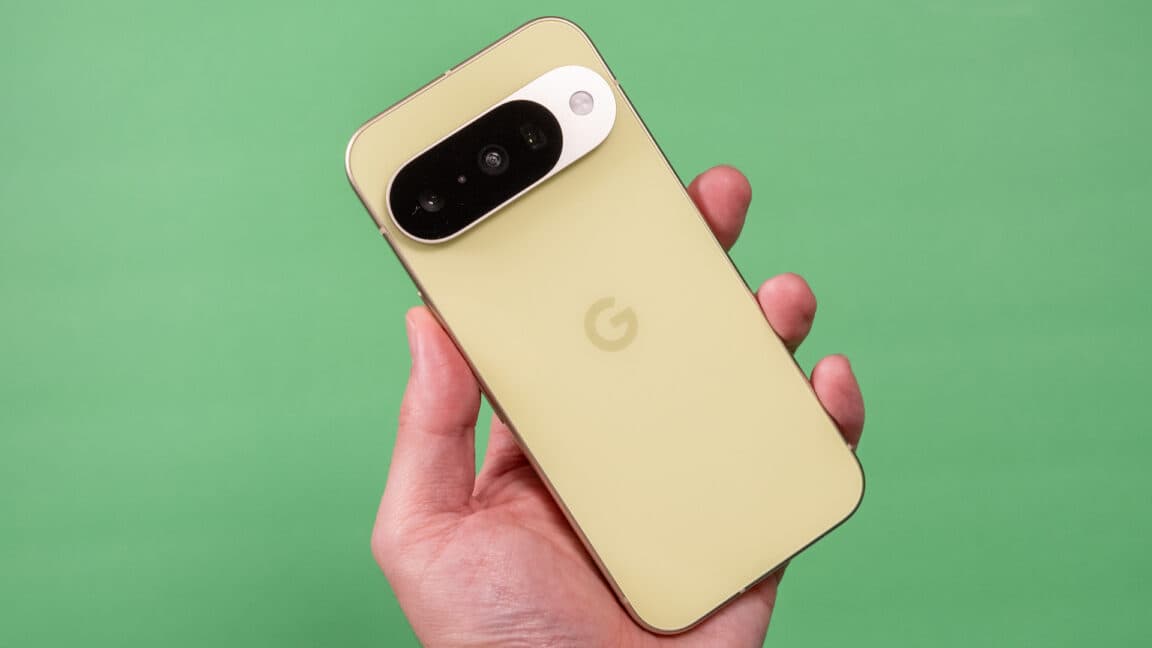
Today, only Google’s Pixel 10 phones can initiate AirDrop‑compatible file transfers from Android to Apple devices. This became possible after Apple, under pressure from European regulators, added support for the Wi‑Fi Aware standard within AirDrop. Google then built AirDrop compatibility into its own Android feature, Quick Share (the successor to Nearby Share).
As Ars Technica notes, Google has now decoupled Quick Share into a standalone, updatable APK distributed via the Play Store. At the moment, only a limited set of Android devices can use the new version, but Google says it is working with hardware partners to roll out support to “a lot more devices” in 2026. Apple users still need to enable a time‑limited, open sharing mode on their devices to receive files from Android.
Why this matters
This development looks small – it’s “just” file sharing – but strategically it hits Apple exactly where its ecosystem is strongest: those little moments where using all‑Apple hardware simply feels easier.
The winners are obvious: mixed‑device households, schools, and companies where iPhones and Android phones have had to fall back on clunky workarounds like WhatsApp, email, or USB sticks to move files around the room. For IT teams, particularly in education and SMEs, this is one less excuse to standardise on Apple just to keep students or staff from constantly asking “why can’t I just AirDrop this?”
The losers are harder to see but very real. Apple loses a bit of soft power; one of its subtle lock‑in levers is now weaker. Google, interestingly, also gives up a chance to push people into its own ecosystem apps (Drive, Photos) in favour of basic interoperability. But Google can afford this. Its business model is not hardware margin; it’s usage and services. Anything that keeps Android devices more viable in an Apple‑heavy world is a net positive for Mountain View.
The immediate implication: the psychological cost of switching platforms or mixing them in one household keeps shrinking. When file sharing, messaging (via RCS), chargers (USB‑C), and eventually app stores all become less proprietary, the competition shifts away from “which ecosystem traps me more efficiently?” toward “which devices and services are actually better?” That’s exactly the kind of competition regulators want – and exactly what platform owners have been resisting for years.
The bigger picture
This AirDrop expansion sits on top of a trio of converging trends.
First, regulatory pressure is forcing open previously closed features. The EU’s decision to require support for open standards like Wi‑Fi Aware effectively turned AirDrop into something that others can talk to. Apple didn’t negotiate some grand interoperability pact with Google; it complied with a standard, and Google quietly piggybacked on it.
Second, we’re seeing a broader unbundling of core OS components. Google moving Quick Share into its own Play Store‑distributed package continues a long pattern: keyboards, system UI elements, web views, even parts of the dialer have been split out over the last decade. This is partly about bypassing slow OEM updates, but also about retaining strategic control over the user experience on non‑Pixel phones.
Third, it rhymes with what’s happening in messaging. Under separate EU pressure, Apple has agreed to bring RCS support to iPhones, making cross‑platform messaging less painful. Combine that with USB‑C on iPhones, also driven by EU rules, and a clear theme emerges: Europe keeps nudging Big Tech toward a world where “it just works” across brands.
Competitively, this move doesn’t kill AirDrop’s advantage – Apple‑to‑Apple will still be smoother, with tighter integration and contact‑based controls that third parties can’t tap into. But it does blunt the “Apple or misery” narrative. And it gives Android OEMs a marketing story of their own: “Our phones share files with everything.” Expect Samsung, Xiaomi and others to quickly slap that on slides once their models are supported.
The European / regional angle
From a European perspective, this story is almost a textbook example of the EU as a de facto global tech regulator. Brussels pushed for support of interoperable standards in proximity services on competition and consumer‑protection grounds. Apple complied – and users worldwide, not just in the EU, now get the benefit when Google plugs Android into that standard.
This also fits neatly alongside the Digital Markets Act (DMA), which targets “gatekeeper” practices by dominant platforms. While AirDrop itself isn’t the central focus of the DMA, the spirit is identical: reduce artificial friction that keeps users stuck. The same logic underpins the EU’s stance on iMessage interoperability and alternative app stores on iOS.
For European enterprises and public institutions – universities, hospitals, administrations – where device fleets are often a mix of iOS and Android, cross‑platform AirDrop support is more than a party trick. It can simplify workflows in offline or sensitive environments (labs, secure offices, classrooms) where cloud services are restricted or connectivity is unreliable.
Privacy‑conscious European users will, however, pay close attention to how Wi‑Fi Aware is used. The standard can enable all kinds of proximity‑based services, not all of them benign. Regulators under the GDPR and the upcoming EU AI Act will be watching for any attempt to weaponise “nearby” discovery for tracking or behavioural profiling.
Looking ahead
The obvious short‑term question is timing. Google likes to bundle ecosystem‑level changes with its quarterly Pixel feature drops and I/O announcements. A March 2026 rollout to a first wave of high‑end partners (Samsung flagships, major Chinese OEMs) seems plausible, with broader mid‑range coverage following later in the year as vendors ship updated firmware and certify compatibility.
Technically, there are two big unknowns. First, how far down the Android version stack Google will go. Because Quick Share is now a separate APK, Android 13 and even some 12‑era devices could theoretically benefit, provided OEMs support the right hardware features. If Google restricts it to newer versions for strategic or QA reasons, adoption will be slower and more fragmented.
Second, how Apple responds. Right now, Android‑to‑Apple sharing depends on iOS users enabling a time‑limited, “open to everyone nearby” mode. Apple could streamline that slightly – or it could make it more obscure, nudging users back to staying inside the Apple‑only bubble. In subtle UI choices, Apple can still shape how often this interoperability actually gets used.
The opportunity for developers is under‑discussed. Once you normalise reliable, low‑friction local sharing between heterogeneous devices, you can imagine new use cases: ad‑hoc collaboration in classrooms, instant offline distribution of event materials, even local‑only social interactions that never touch the cloud. The risk is that advertisers and trackers imagine things too – so expect the next battle to be not “can my devices see each other?” but “who is allowed to see that they can?”
The bottom line
Google expanding AirDrop‑style sharing across Android is less about generosity and more about reading the regulatory room. The EU forced Apple to open a door; Google is now walking the entire Android ecosystem through it. Users win, Apple loses a sliver of lock‑in, and the broader trend is clear: hardware brands are being dragged, slowly but surely, toward genuine interoperability. The next question for readers is simple: if your phone could talk to any other device effortlessly, would brand loyalty still matter as much as it does today?