1. Headline & intro
Hardware makers used to fight for a place in your living room once every seven years. Now they want a place in your monthly budget forever. LG’s new UK-only "Flex" program turns big-screen TVs and audio gear into subscription products with prices that can rival a car payment. This isn’t just a quirky financing option; it’s a window into how consumer electronics giants plan to survive slower upgrade cycles and cautious post‑inflation shoppers. In this piece, we’ll unpack who actually wins with TV rental subscriptions, how it fits into the broader subscription creep, and what it signals for European consumers.
2. The news in brief
According to Ars Technica, LG has launched a subscription program in the UK called LG Flex that lets customers rent certain LG TVs, soundbars, monitors, and speakers for a monthly fee.
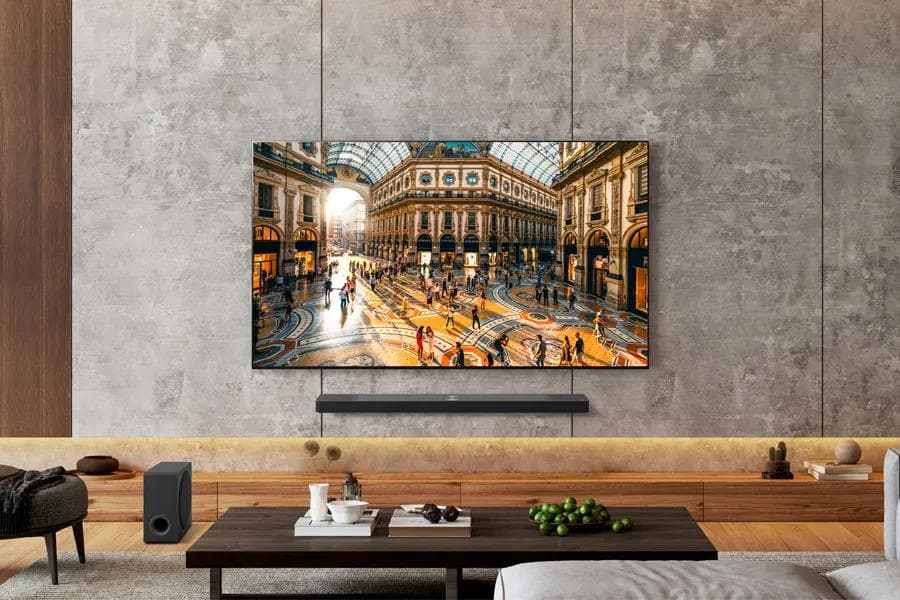
The headline example is LG’s 83‑inch OLED B5 2025 TV, which currently sells on LG’s UK site for £2,550. Through LG Flex, the same TV can be rented for between £93 and £277 per month, depending on whether you commit to a term of one month, one year, two years, or three years. At the longest term, total rental payments overtake the TV’s retail price after roughly a little more than two years; at the highest monthly rate, that crossover happens in under a year.
At the end of a subscription, customers can request a free upgrade, keep paying, or return the device. LG says normal wear and tear won’t be penalised, but damage can incur repair charges. A partner company, Raylo, offers optional insurance for accidental damage, loss, and theft, and charges £50 for a full removal service if you want LG to unmount and take away a TV. For now, the scheme is UK‑only and covers a limited product range including at least one soundbar that costs £600 to buy or £22–£76 per month to rent.
3. Why this matters
On paper, LG Flex is a simple proposition: swap a large, one‑off outlay for smaller, predictable payments and frequent upgrades. In reality, it is a carefully engineered recurring revenue machine.
Who benefits?
- LG and Raylo get what every hardware maker dreams of: subscription income that smooths out the unpredictability of big-ticket purchases. Instead of hoping someone buys an OLED TV every few years, they collect cash every month.
- Cash‑constrained households and small businesses get instant access to premium displays for a lower upfront cost. A café, Airbnb host, or short‑term renter might genuinely need an 83‑inch wow‑factor screen for only a season or two.
Who loses?
- Most long‑term users. If you keep the TV for more than a relatively short period, you almost certainly pay more than if you’d bought it outright, even compared with a 0% finance plan.
- Consumers who don’t do the maths. Subscription pricing is designed to feel painless. “Only £93 a month” sounds much friendlier than “£2,550 today”, even when that monthly figure quietly snowballs into a much higher total.
This is less about access and more about normalising permanent payments for hardware. We’re moving from a world where you own the TV and occasionally pay for content, to one where the screen itself is effectively leased, just like a smartphone on a carrier contract.
It also subtly shifts power in the relationship. When you rent, the manufacturer retains leverage: they can set return conditions, define acceptable use, and potentially tie access to other services in the future. And because the program is positioned as a flexible rental rather than credit, it may sit in a greyer regulatory area than traditional consumer loans.
For LG, this is a strategic response to slowing TV sales and longer replacement cycles. For consumers, it’s a test of how much convenience they’re willing to trade for long‑term value and control.
4. The bigger picture
LG Flex is not an isolated experiment. It fits neatly into a wider "hardware as a service" movement spreading across the tech industry.
Ars Technica notes that HP already rents printers, NZXT offers gaming PCs on subscription, and Logitech’s CEO has publicly floated the idea of subscription mice. Add to that smartphone upgrade programs from Apple and phone carriers, console subscriptions, and even "PCs as a service" in the enterprise. The pattern is clear: if a piece of hardware exists, someone is trying to wrap a monthly fee around it.
There are two competing narratives here:
- The subscription economy story: Proponents say subscriptions make cutting‑edge tech more accessible, encourage regular upgrades, and can even support sustainability if devices are refurbished and reused instead of left in cupboards.
- The financialisation story: Critics argue that these models turn everyday objects into long‑term payment streams, often costing far more than ownership while keeping users in a perpetual state of dependency.
We’ve seen versions of this before in other industries. Car leasing made it easier to drive a new model every few years, but also normalised the idea that most people never truly own their car. Smartphone contracts spread premium devices widely but made it harder to appreciate their true cost.
What’s different now is how far down into the home this model is reaching. A TV is not a mission‑critical business tool; it’s a discretionary device with a long usable life. If even that becomes a subscription by default, it’s a strong signal that manufacturers expect the future of consumer tech to be far more rental‑based than ownership‑based.
Moreover, this opens up new business combinations: imagine a package that bundles the TV rental with streaming subscriptions, cloud gaming, and home security monitoring. Whoever controls the screen and the billing relationship controls the entire entertainment stack.
5. The European angle
Although LG Flex launched in the UK, similar models will inevitably be evaluated for the EU market, where the regulatory environment is less forgiving of opaque consumer contracts.
Brussels has already taken aim at subscription traps and dark patterns that make it hard to cancel services. Any TV‑subscription rollout on the continent would have to be extremely clear about total cost, contract length, renewal terms, and cancellation processes to stay on the right side of consumer protection rules.
There’s also a sustainability dimension. The EU’s push for a circular economy and its emerging Right to Repair framework both encourage manufacturers to design products for long life, repairability, and reuse. In theory, hardware rental can support that: LG has a direct path to reclaim, refurbish, and redeploy devices instead of letting them become e‑waste.
But there’s tension. If rental pricing nudges people into more frequent upgrades than they’d otherwise choose, total environmental impact could increase despite higher reuse rates. Regulators and consumer groups in Europe will be sensitive to that contradiction.
Finally, a rental model gives manufacturers stronger control over software and data. In an EU context shaped by GDPR and the Digital Services Act, LG and partners like Raylo would need to be very careful about how they track usage, collect data on viewing habits, or push targeted offers through rented devices.
For European TV makers—from German and Nordic brands to smaller niche manufacturers—LG’s experiment is a warning shot: the battle may soon be less about panel quality and more about billing models and service ecosystems.
6. Looking ahead
Expect LG to treat the UK as a test lab. If take‑up is decent and defaults manageable, similar schemes are likely in other mature markets with strong streaming adoption and high living costs, from Western Europe to parts of Asia.
A few things to watch over the next 12–24 months:
- How aggressively others copy this. If Samsung or Sony roll out comparable offers, TV‑as‑a‑service will quickly graduate from oddity to standard option.
- Bundling experiments. The real money is in packages: TV rental plus streaming, cloud gaming, or even broadband. Telecom operators, who already own the billing relationship, will be natural partners.
- Regulatory reactions. If rental schemes start to resemble high‑cost, hard‑to‑escape payment plans, consumer watchdogs and EU authorities may step in, especially around advertising, affordability checks, and fairness of terms.
- Second‑hand market impact. A steady stream of returned, refurbished premium TVs could push down prices in the used market—great for bargain hunters, less great for independent retailers.
From a consumer perspective, the key question is simple: how long do you really plan to keep the device? If your honest answer is “years”, then straightforward purchase—possibly with interest‑free instalments—will almost always win on cost and control.
If, however, you’re running a business, fitting out a rental property, or know you’ll move frequently and don’t want to drag an 83‑inch slab of glass between flats, subscription might be a rational choice.
7. The bottom line
LG Flex is not a consumer revolution; it’s a revenue strategy dressed as flexibility. For a narrow set of short‑term or business use cases, renting a TV can make sense. For the average household, it is a more expensive way to end up with less ownership and more ongoing commitments. As more gadgets go “subscription‑only”, consumers will need to get comfortable asking one unfashionable question: do I really need to turn this into another monthly bill?