Intro
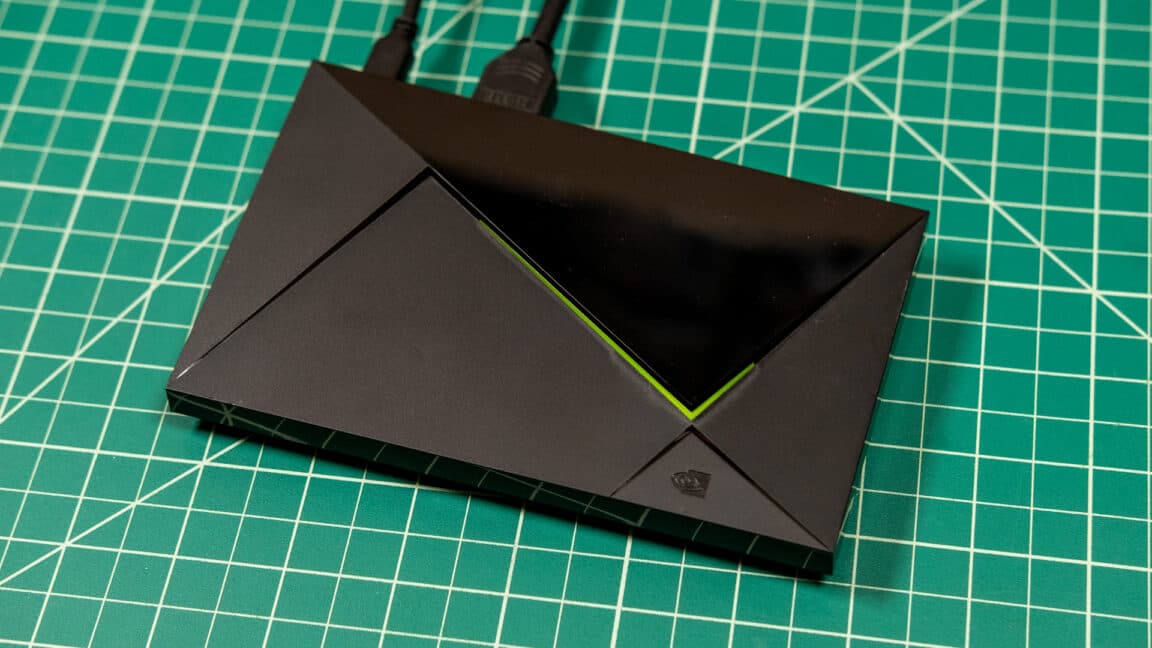
A 2015 Android set‑top box is quietly exposing one of the tech industry’s biggest lies: that long‑term software support is too hard and too expensive. While phone makers only recently discovered seven‑year update promises, Nvidia’s Shield TV has been living that reality for a decade. According to Ars Technica’s deep dive into the product’s history, the same hardware has moved from Android 5 to Android 11 and is still getting security fixes and new features.
This is not just a feel‑good story about a beloved gadget. It is a case study in how updates, trust and regulation will shape the future of consumer electronics.
The news in brief
As reported by Ars Technica, Nvidia’s Shield TV line, first launched in 2015, has now received 10 years of continuous software support. Senior hardware VP Andrew Bell describes Shield as a passion project that Nvidia never abandoned, even as the company transformed into an AI and data‑center giant.
All generations of Shield, including the original 2015 model, are still maintained. They have jumped from Android 5.0 to Android 11 and continue to receive bug fixes and compatibility updates. A major two‑year quiet period between 2023 and early 2025 turned out not to be the end of support but the result of a large security effort.
That work focused on a hardware‑level vulnerability in the Tegra X1 chip, shared with the original Nintendo Switch, which affected DRM‑protected 4K playback. Rather than retire older boxes, Nvidia spent roughly 18 months redesigning its security stack and re‑certifying with partners to restore full functionality. In early 2025, Patch 9.2 finally shipped with the needed security changes.
Meanwhile, Nvidia is still manufacturing the 2019 Shield hardware because sales remain remarkably stable, and the company openly states there are no plans to end updates or production any time soon.
Why this matters
Shield TV is the counter‑example the Android ecosystem hoped you would never notice. For years, phone vendors explained away two‑year update windows as an unavoidable consequence of chip vendors, costs or Android fragmentation. Yet a niche streaming box from 2015 is happily running 2025 apps and still passing DRM checks.
The immediate winners are existing Shield owners, who have seen their initial 200‑dollar purchase amortized over a full decade. In a world where many smart TVs become sluggish or insecure after three to five years, that is extraordinary value. It also reduces e‑waste and supports a healthier secondary market: a used Shield from years ago is still a viable living‑room brain.
The losers, frankly, are other Android OEMs. Nvidia has demonstrated that long‑term support is a choice, not an impossibility. If a company whose main business is GPUs can keep a low‑volume box updated through component changes, platform evolutions and a major security re‑architecture, then large phone vendors have far fewer excuses.
It also undercuts the race‑to‑the‑bottom mindset around TV hardware. Most set‑top boxes and TV operating systems are designed around short lifecycles and aggressive cost cutting. Shield took the opposite approach: premium components, a stable SoC platform and a commitment to treat software support as part of the product, not an afterthought.
Strategically, this buys Nvidia something money usually cannot buy: long‑term goodwill from power users. In an era where Nvidia wants to be present in cloud gaming, AI upscaling and maybe, eventually, full home platforms, being the rare vendor that actually keeps promises is a serious brand asset.
The bigger picture
Shield’s decade of updates arrives at a moment when the industry is finally being forced to grow up. Google and Samsung now advertise seven years of OS and security updates for their flagship phones. Apple, without making formal promises, effectively supports iPhones for six or more years. EU policymakers are pushing rules that would make extended updates mandatory for connected products.
In that context, Shield looks less like an eccentric side project and more like an early prototype of where everything is heading. A few other brands had already hinted at this path: Fairphone in Europe, with its repair‑friendly phones and unusually long support windows; AVM in the router space, with years of firmware updates for Fritz!Box devices; some automotive platforms with over‑the‑air updates.
What makes Shield different is the combination of three things: Android, media DRM and a tiny installed base compared to phones or game consoles. This is not a mass‑market, high‑margin product. Yet Nvidia repeatedly chose to invest real engineering time, even when that meant fighting with partners who were not enthused about re‑certifying old hardware.
There is also an important lesson about architecture. By sticking with the Tegra X1 family for years and iterating around it, Nvidia avoided the fragmentation that plagues typical Android line‑ups. Many OEMs ship dozens of devices across multiple chip vendors; each additional SoC multiplies maintenance costs. Shield shows what happens when you minimize that spread and treat a platform as a long‑term commitment rather than a yearly reset.
Most crucially, it reveals the future business model of hardware: devices as long‑lived service endpoints. Shield is a client for GeForce Now, streaming platforms and Nvidia’s own AI video technologies. Keeping those clients working for a decade makes sense if the real money flows through the services.
The European angle
For European consumers, Shield TV sits at the intersection of several policy debates: right to repair, software lifetimes and platform power.
The EU’s forthcoming Cyber Resilience Act and related initiatives aim to force manufacturers of connected devices to provide security updates for the expected lifetime of a product, not just the warranty period. Shield is essentially the idealized version of that requirement: an Android device that still gets fixes ten years on. When regulators ask if such obligations are realistic, Nvidia is an inconvenient but persuasive data point.
It also contrasts sharply with the reality of many European households. Operators across the continent ship Android TV or custom Linux set‑top boxes that are replaced after three to five years, often with poor or opaque update policies. Smart TVs from major brands may receive new apps for a while, but security bulletins and long‑term support remain patchy.
From a competition standpoint, Shield is one of the few premium alternatives to Apple TV 4K and higher‑end operator boxes in Europe. For privacy‑conscious users wary of deeply integrated TV platforms, a dedicated, well‑maintained box can be preferable to whatever tracking‑heavy software comes baked into a cheap smart TV.
Finally, Shield aligns neatly with the EU’s environmental goals. If one box can credibly serve a household for a decade, that is fewer devices heading to recycling centers or landfills. As Brussels sharpens rules on durability and repairability labels, Nvidia’s approach could move from pleasant surprise to regulatory baseline.
Looking ahead
The obvious question is whether there will ever be a new Shield. Nvidia, speaking to Ars Technica, carefully avoided firm commitments but sketched out what such a device would need: AV1 decoding, updated Dolby Vision profiles, HDR10 Plus, better YouTube HDR support and, amusingly, a less intrusive Netflix button.
My expectation is that Nvidia will eventually release a successor, but on its own schedule, not the industry’s annual treadmill. The trigger will likely be a combination of two things: a clear generational leap in low‑power video capability, and a stronger strategic role for the living room in Nvidia’s AI and cloud‑gaming story. When those lines cross – perhaps around the timeframe of new TV standards and broader AV1 rollout – a new Shield becomes obvious.
In the meantime, the more important development is how other vendors and regulators react. If EU rules on update durations solidify in the next few years, phone and TV makers will need to re‑architect around fewer SoCs, simpler line‑ups and service‑driven business models. Nvidia has already been living that reality.
What to watch: whether Google extends seven‑year support beyond Pixels into the broader Android TV ecosystem; whether TV manufacturers commit to similar windows; and whether operators in Europe stop treating set‑top boxes as disposable.
There is also a risk. Shield’s success as a long‑lived niche product depends on Nvidia’s continued enthusiasm. If internal priorities shift fully to data centers and automotive, a future leadership team might be tempted to wind it down. That is where regulation and consumer pressure will matter – ensuring that long‑lived devices are the norm, not just the result of a few passionate engineers bending the rules.
The bottom line
Nvidia’s Shield TV proves that a consumer device can be kept secure and useful for a decade if a company chooses to treat software support as a core feature, not a cost center. It embarrasses much of the Android ecosystem and offers a preview of where EU regulation and service‑centric business models are pushing the market.
The real question is whether others will follow voluntarily, or whether it will take laws – and more customers demanding Shield‑like longevity – to drag the rest of the industry into the same decade‑long mindset.