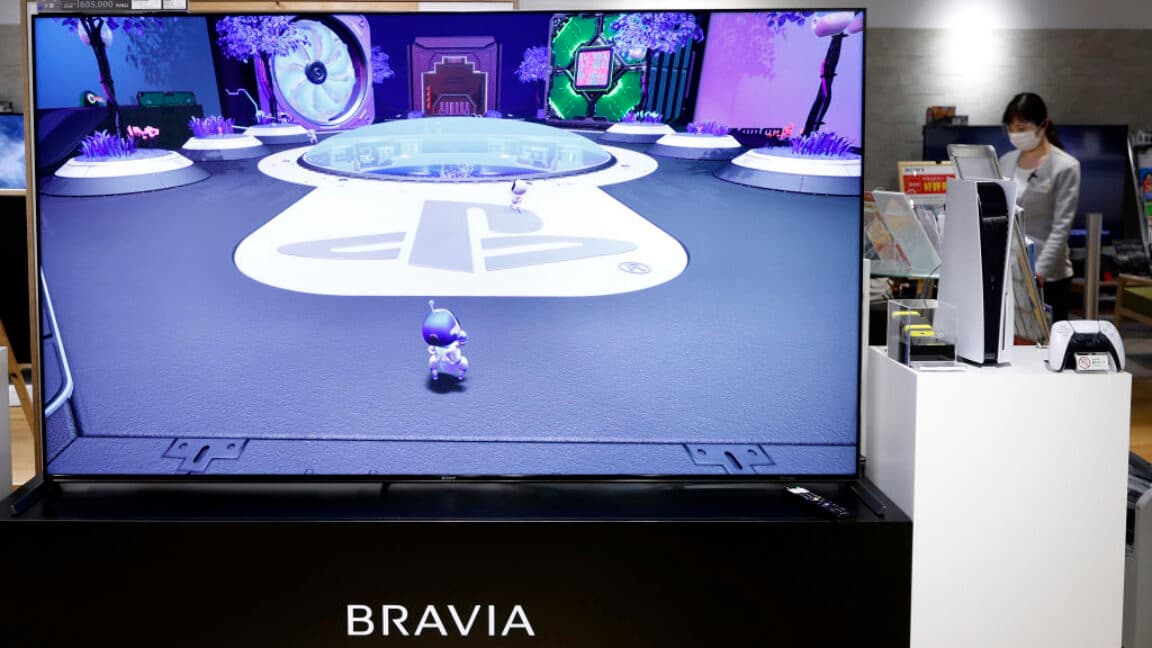
Sony is giving up majority control of its flagship Bravia TV business to TCL.
The two companies announced a memorandum of understanding that will see China-based TCL take a 51 percent stake in a new joint venture built around Sony’s "home entertainment business." Sony will hold the remaining 49 percent. They aim to sign binding agreements by the end of March, with the venture expected to launch in April 2027, pending regulatory approvals.
Bravia stays, TCL screens inside
The joint venture will operate globally and handle the full stack: product development, industrial design, manufacturing, sales, logistics, and customer service for Sony-branded TVs and home audio gear.
The Bravia name isn’t going anywhere. New TVs and audio products will still ship under the "Sony Bravia" brand, but they’ll lean on TCL’s display technology. The companies are signaling a push toward larger screen sizes, higher resolutions, and more advanced smart TV features.
In other words: the premium Sony TV you buy in a few years is likely to be a Sony-branded experience wrapped around a TCL-driven hardware platform.
Why Sony is stepping back from TVs
This move fits a long-running pattern. Sony has steadily pulled back from low-margin hardware categories:
- It stopped making Vaio PCs in 2014.
- It exited Blu-ray players last year.
Instead, Sony has been leaning into higher-margin intellectual property and content businesses, including anime and movies. Offloading day-to-day control of TVs and home audio lets Sony keep the Bravia halo while focusing capital and management attention on more lucrative areas.
TCL’s shortcut to the high end
For TCL, the deal is a fast track into the premium tier of the TV market.
Over the last decade, Chinese manufacturers like TCL and Hisense have pressured incumbents with aggressive pricing in the budget and mid-range segments. South Korean rivals LG and Samsung have been feeling that squeeze, with the South Korean government reportedly encouraging local TV makers to cooperate more closely.
Gaining majority control of the Bravia TV line gives TCL something it has historically lacked: a globally recognized high-end brand associated with image quality rather than value pricing.
The shrinking TV business
The backdrop here is a TV industry under strain. Margins have been sliding as:
- Average selling prices come down.
- Consumers replace TVs less frequently.
- Competition intensifies at the low and mid tiers.
Several Japanese brands have already retreated or reshaped their TV strategies. Toshiba and Sharp, once household names in televisions, have reduced or exited their TV businesses.
Sony is now choosing a different path: rather than shutting down Bravia, it’s effectively outsourcing the heavy lifting to TCL while keeping its name on the bezel.
What it means if you buy a Bravia
If you pick up a new Bravia in a few years, it should still look and feel like a Sony TV from the outside. The branding, industrial design language, and overall user experience will remain tightly associated with Sony.
Behind the scenes, though, TCL will be running development, manufacturing, and much of the operational machinery. TCL’s scale and panel technology could help push bigger, sharper, smarter Bravias into more living rooms, while Sony focuses on what it increasingly sees as its core: content, IP, and premium experiences rather than commodity hardware.
The joint venture is expected to go live in April 2027, assuming regulators sign off. Between now and then, expect more detail on how Sony and TCL plan to divide responsibilities—and how far TCL’s technology will reshape what "Bravia" means on your next TV box.