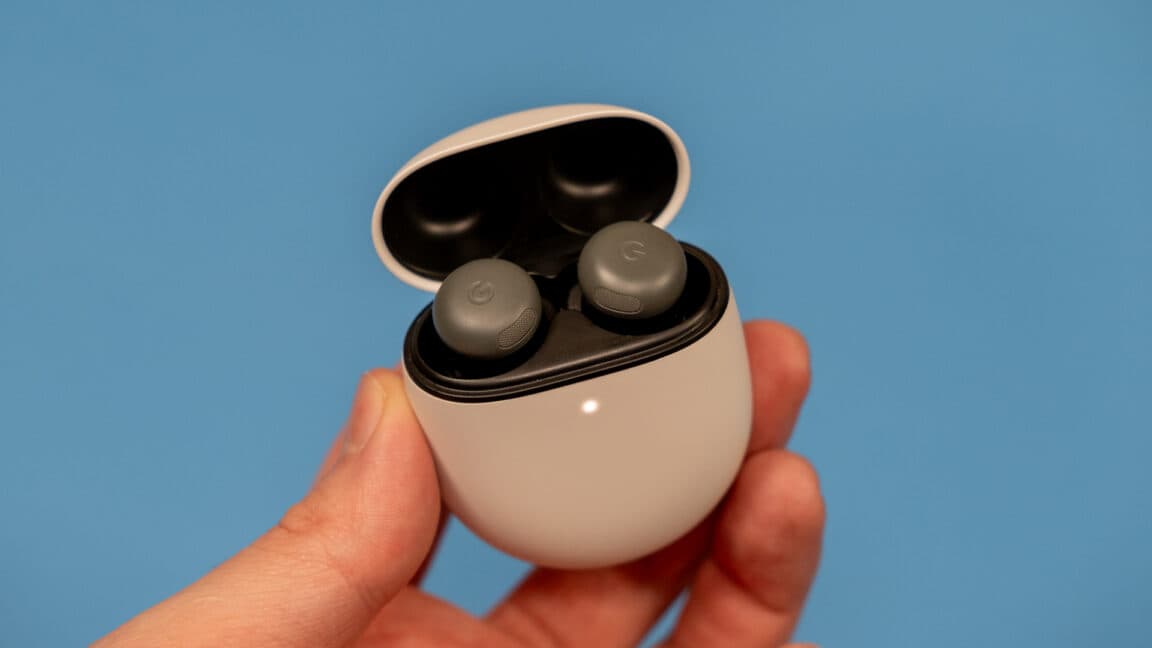
Bluetooth pairing was finally getting easier thanks to Google’s Fast Pair. Now researchers say that convenience comes with a serious catch.
A team at KU Leuven in Belgium has disclosed a vulnerability they call “WhisperPair” that lets attackers remotely hijack many Fast Pair–enabled headphones and earbuds to listen in and track your location.
What’s affected
Fast Pair isn’t just a Google thing. It’s baked into Android and used by multiple brands. According to the researchers, the bug hits more than a dozen devices from 10 manufacturers, including:
- Google (including Pixel Buds Pro 2)
- Sony
- Nothing
- JBL
- OnePlus
A full, constantly updated list is available on the researchers’ project site.
Google has acknowledged the flaw and warned partners, but each manufacturer has to ship its own firmware update.
How WhisperPair works
The problem comes from an incomplete implementation of the Fast Pair standard.
Fast Pair devices are supposed to accept pairing requests only when they’re in pairing mode. KU Leuven’s team found that many products simply don’t enforce that rule.
WhisperPair abuses this by forcing a connection through the regular Bluetooth pairing process, even when the earbuds or headphones appear idle.
In practice, the attack:
- Takes a median of about 10 seconds
- Works at ranges up to 14 meters (near Bluetooth’s practical limit)
That’s far enough that an attacker can sit across a café, office, or train car and you’d never link them to your headphones.
What an attacker can do
Once WhisperPair forces a connection to a vulnerable audio device, the attacker can:
- Interrupt whatever you’re listening to
- Play their own audio
- Access the microphone on devices that support it
- Track your location by following the Bluetooth device you’re carrying
The KU Leuven team even produced a video dramatization showing how easy it is to spy on unsuspecting targets using compromised earbuds.
Fixes are messy for accessories
Patching phones and laptops is straightforward these days because OS updates are largely automatic. Accessories are a different story.
Many people never install the companion app for their earbuds, which means:
- The firmware they shipped with is the firmware they keep
- Security fixes can sit in app stores while millions of devices stay exposed
WhisperPair is worse because you can’t turn Fast Pair off on supported hardware. The only realistic defense is to:
- Install the official companion app for your earbuds or headphones.
- Apply any firmware update the app offers.
Google says it has already pushed updates to its own affected devices. But the researchers told Wired they were able to find a simple workaround for Google’s initial patch, suggesting this may be an ongoing game of catch-up.
With multiple vendors involved and confusion over what exactly needs to change in the Fast Pair behavior, it could be weeks or months before the entire ecosystem is properly fixed.
Is WhisperPair being exploited?
Google says it is not aware of any real-world attacks using WhisperPair so far. But now that the research is public, the window for abuse is open.
If you’re worried your headphones might have been compromised:
- Factory reset the earbuds or headset. That wipes any unauthorized pairing, forcing an attacker to compromise them again.
- Keep the official app installed so you get firmware updates as soon as they land.
Until manufacturers clean up their Fast Pair implementations, the feature that’s supposed to make Bluetooth painless is also making it a tempting target.