1. Headline & intro
The dream of a premium laptop that treats Linux as a first‑class citizen has usually required compromises, workarounds, or second‑hand MacBooks. Framework now thinks it can turn that niche frustration into a real business. At the same time, a brutal RAM and storage crunch is punishing exactly the kind of small manufacturer Framework is.
This combination makes Framework’s latest move much more than another spec bump. It’s a test of whether "right to repair" modular laptops and Linux‑first design can survive in a market shaped by AI‑driven component shortages, Apple’s vertical integration, and Microsoft’s Copilot‑heavy Windows strategy.
2. The news in brief
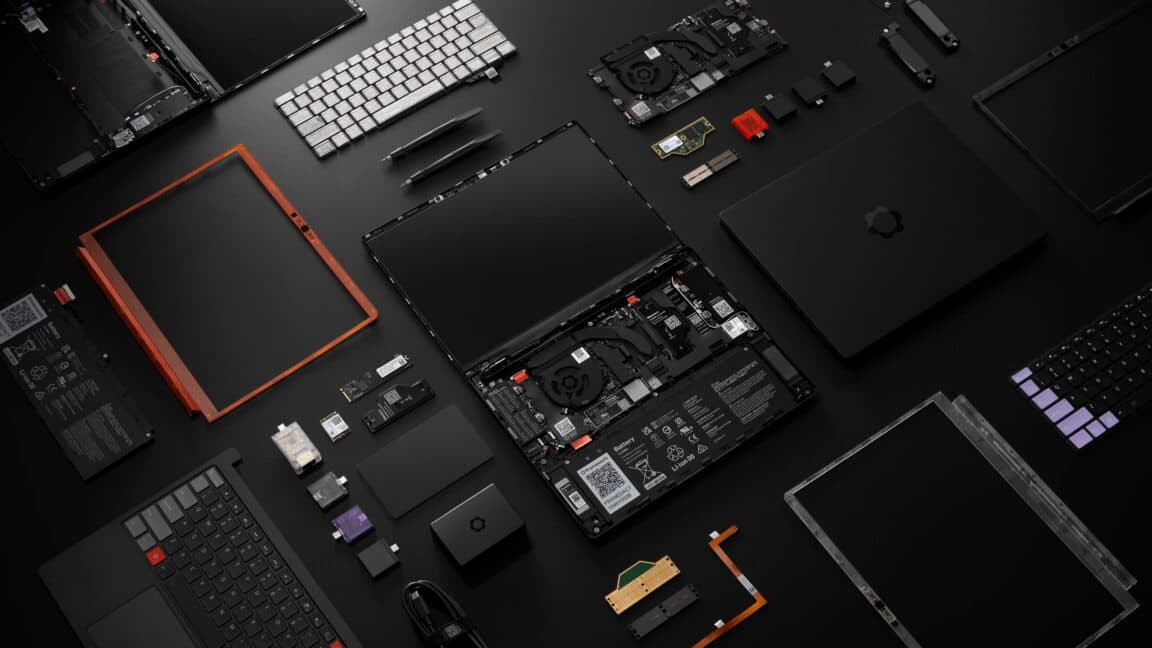
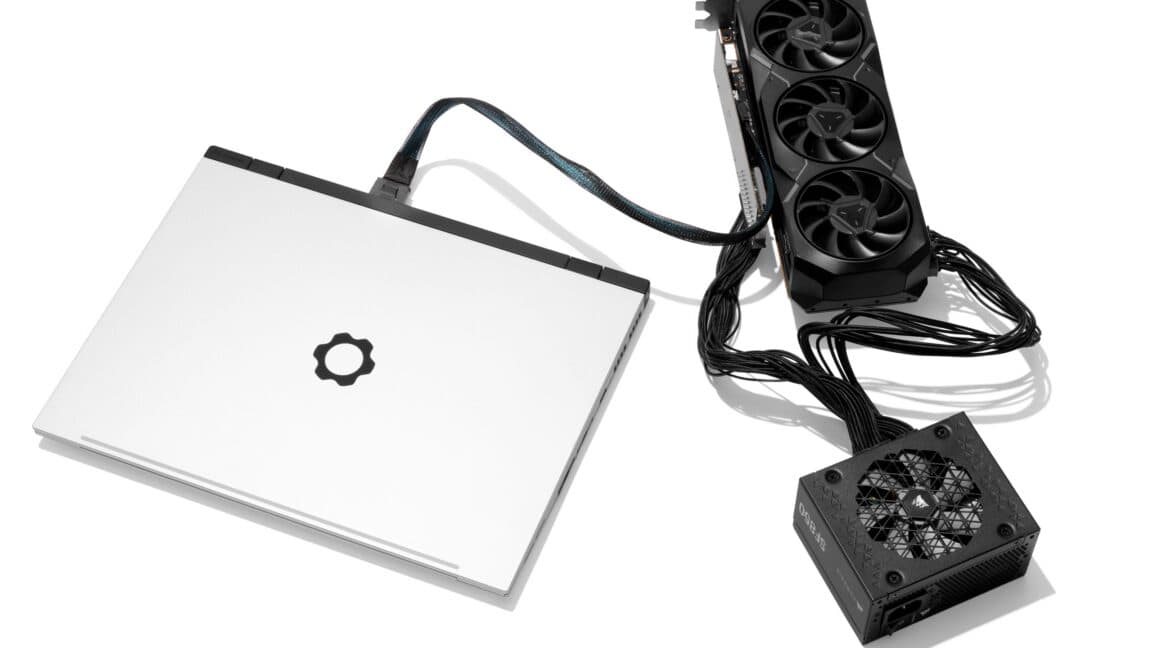
According to Ars Technica, Framework has introduced a refreshed 13‑inch platform built around Intel Core Ultra Series 3, offered both as an upgradeable motherboard for existing devices and as a new Framework Laptop 13 Pro. Most new components – displays, keyboards, and other modules – remain backwards compatible with older models.
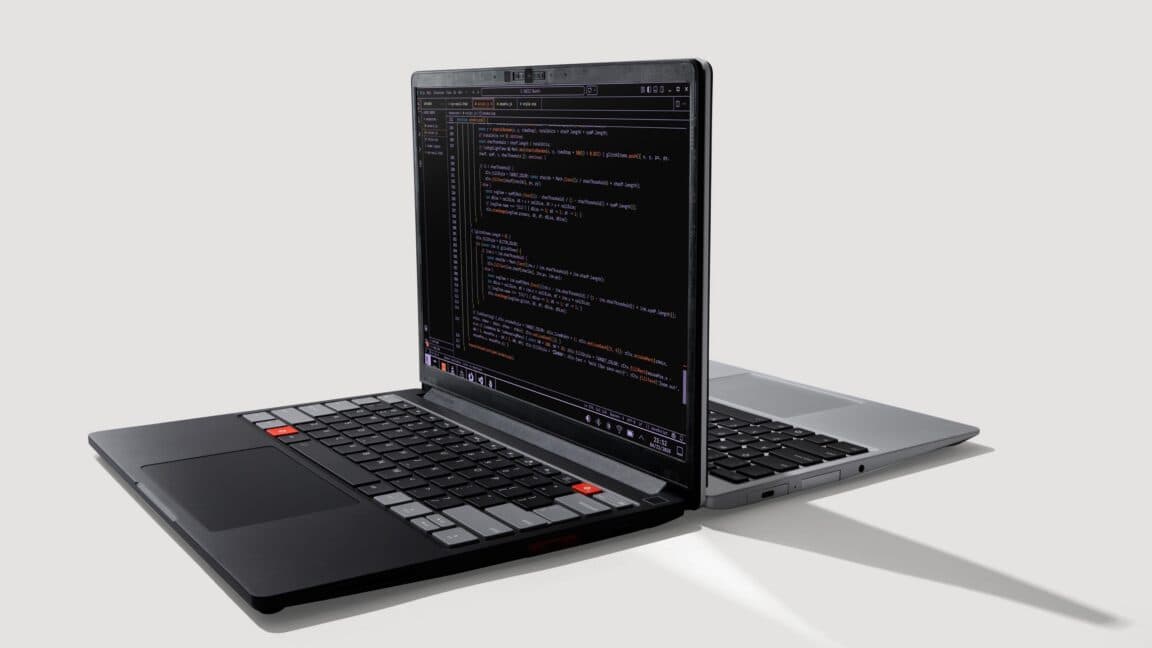
The company is putting unusually strong emphasis on Linux this time. The 13 Pro is Framework’s first laptop that can ship with Linux pre‑installed and is its first officially Ubuntu‑certified system. Framework says that, on its 13‑inch line, slightly more customers actually run Linux than Windows.
Framework’s CEO also described the 13 Pro’s positioning as a kind of "MacBook Pro for Linux users," helped by a new haptic trackpad and larger battery aimed at users switching from Apple hardware.
In parallel, Framework is contending with a sharp rise and volatility in RAM and storage prices. The firm claims it can still secure supply by buying directly from memory makers, but it is adjusting its retail prices almost monthly based on fluctuating component costs.
3. Why this matters
Framework is quietly attacking three of the PC industry’s most sensitive nerves at once: operating system loyalty, hardware lock‑in, and opacity in component pricing.
First, the Linux angle is not cosmetic. If more than half of Framework 13 owners really run Linux, that’s an inversion of the global picture, where Linux still sits around the low single digits in desktop share. It means there is a genuine – if compact – market of buyers willing to pay for high‑end hardware that puts Linux at the centre, instead of treating it as an afterthought or a support ticket headache.
The big losers here, in the short term, are not necessarily Dell or Lenovo, who already offer developer‑oriented Linux SKUs, but Microsoft and Apple. Microsoft faces enthusiasts who are tired of telemetry, account requirements, and Copilot creeping into every corner of the UI. Apple, meanwhile, has made running Linux on current‑generation Macs a heroic hack rather than a supported scenario.
Second, the "MacBook Pro for Linux" pitch exposes a long‑standing gap. For years, the suggestion to developers who wanted a polished Unix desktop was: "just buy a MacBook." Apple Silicon broke that assumption. Framework is trying to step into that vacuum with industrial design and input devices that feel familiar to Mac switchers, while still offering full repairability and modularity.
Third, the RAM crisis is a brutal reminder that modularity does not immunise you from global supply chains. Framework’s decision to transparently pass through memory price changes – rather than burying them in opaque SKU reshuffles – is unusual in the PC world. It puts pressure on bigger OEMs, who traditionally hide component volatility behind promotional pricing and bundles, to justify why a 16 GB upgrade sometimes mysteriously costs €200.
4. The bigger picture
Framework’s move sits at the intersection of three wider trends.
1. The slow unbundling of Windows from the PC. Over the last few years, we’ve seen OEM Linux efforts mature beyond "science experiments": Dell’s XPS Developer Edition, Lenovo’s Fedora and Ubuntu offerings, HP’s occasional forays. Framework’s numbers – a majority‑Linux user base on the 13‑inch – suggest that when hardware is explicitly designed and validated for Linux, people are actually willing to ditch Windows.
The timing is no accident. As Ars Technica notes, Microsoft has spent months promising to make Windows faster, less intrusive, and more respectful – promises that only exist because power users are increasingly frustrated. Combine that with SteamOS and Proton making Windows‑only games playable on Linux, and the gravitational pull of Windows weakens.
2. The end of "just install Linux on your old MacBook." Historically, the premium Linux laptop was a 2013–2015 MacBook Pro with Ubuntu. Apple’s T2 security chip and then Apple Silicon have shut that door for non‑hobbyists. The Asahi Linux project is astonishing, but it will never feel as plug‑and‑play as a system whose firmware and drivers are designed with Linux in mind. Framework is essentially packaging that realisation into a product.
3. AI’s collateral damage on the consumer PC. While the Ars piece focuses on device makers like Valve and Ayaneo struggling with RAM supply, the deeper story is that AI and cloud workloads are absorbing an enormous share of advanced DRAM and NAND capacity. When hyperscalers reserve supply years in advance, smaller OEMs get whatever is left, at whatever price. Framework only survives this because it has just enough scale and history to contract directly with memory vendors.
We’ve been here before – think of the hard‑drive shortages after the Thailand floods – but this time the demand shock (AI, GPUs, high‑bandwidth memory) feels structural, not temporary. For upgradable laptops, that’s a double‑edged sword: users can add RAM later, but they are also exposed to the wild ride of spot pricing.
5. The European / regional angle
For Europe, Framework’s strategy intersects neatly with regulation and culture.
The EU has spent years crafting ecodesign rules, repairability labels, and a forthcoming right‑to‑repair directive that will force manufacturers to provide parts and documentation for longer. Framework anticipated this direction from day one. Its whole business model – modular parts, long‑term motherboards, clear documentation – reads almost like an answer sheet to Brussels’ exam questions.
On the operating system side, Linux‑first hardware aligns with long‑standing European preferences for open standards in public procurement. From French administrations to German municipalities and Spanish regions, there have been repeated (if not always successful) attempts to push open‑source desktops. The usual blockers were hardware support and user experience. A "MacBook‑grade" Linux laptop provides a much more politically defendable choice for IT departments.
There is also a strong cultural fit in the DACH and Nordic regions, where privacy concerns about US platforms run deep. A machine that can run a mainstream Linux distro, with no forced Microsoft account and full disk encryption under the user’s control, is appealing not only to developers but to SMEs handling sensitive data.
For European competitors, the bar just got higher. Tuxedo Computers, Slimbook, Star Labs and others have built respectable Linux‑focused offerings, but often with Clevo‑style OEM chassis. Framework’s industrial design and cross‑generation compatibility raise user expectations: why can’t my "Linux laptop" also be beautiful, thin, and fully modular?
Finally, Framework’s transparent communication about RAM pricing plays well in a region where consumer‑protection authorities are quick to pounce on misleading offers. EU shoppers are used to seeing line‑item taxes; seeing line‑item component volatility is the logical next step for a certain kind of buyer.
6. Looking ahead
The big question is whether Framework can escape the enthusiast bubble.
To do that, it needs three things: boring reliability, global availability, and institutional trust. The first is about QC and thermals rather than specs; the second means better distribution and service centres in Europe, not just shipping from a warehouse somewhere on the continent; the third requires multi‑year part availability so businesses believe the "modular" promise.
On Linux, the next 18–24 months will show whether a premium, Linux‑first laptop can become a default choice for a slice of developers and DevOps engineers, in the same way that a ThinkPad was the default corporate notebook for a generation. If Framework’s bet pays off, expect larger OEMs to respond with more serious Linux SKUs – not just "developer editions" but first‑tier configs marketed to privacy‑conscious professionals.
The RAM and storage crunch is a bigger wild card. If prices stay volatile, modular machines may shift more cost‑sensitive buyers towards "bring your own RAM" configurations, relying on third‑party modules bought when prices dip. That’s good for user freedom but bad for OEM margins.
Watch for three signals: whether big cloud buyers lock in even more memory capacity (squeezing PCs further), whether EU right‑to‑repair rules push mainstream OEMs closer to Framework’s design philosophy, and whether Microsoft doubles down on or pulls back from pervasive Copilot integration in client Windows. All three will shape how large the addressable market for a "Linux MacBook Pro" really is.
7. The bottom line
Framework’s latest launch is less about Intel’s new chips and more about picking a side: open, repairable, Linux‑friendly personal computers versus closed, AI‑heavy platforms. Its attempt to build a "MacBook Pro for Linux users" is ambitious and perfectly timed, but it will live or die on execution in a hostile supply‑chain environment.
The question for readers is simple: if a polished, premium Linux laptop really exists – with honest pricing for its components – is that enough to make you reconsider your next Windows or Mac purchase?